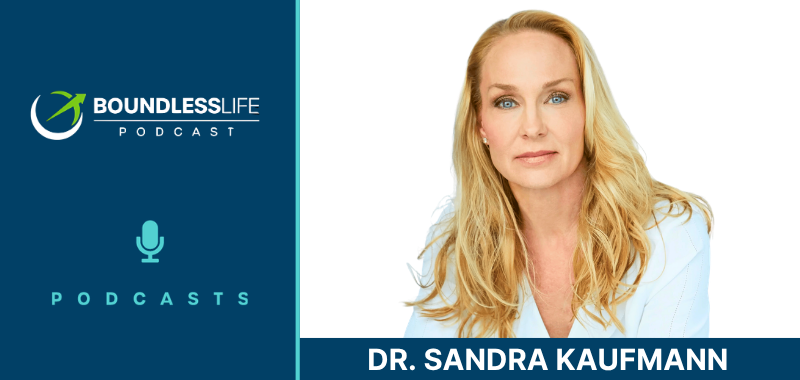
Home » Podcast » How to Replace Sauna, Fasting, and Cold Plunge With a Pill (WARNING: Proceed at Your Own Risk!) With Dr. Sandra Kaufmann

How to Replace Sauna, Fasting, and Cold Plunge With a Pill (WARNING: Proceed at Your Own Risk!) With Dr. Sandra Kaufmann

Listen on:

Reading time: 5 minutes

What I Discuss with Dr. Sandra Kaufmann:

  • Why I’m re-airing this now: a new Nature paper finding lithium is a naturally occurring brain nutrient, and losing it may be one of the earliest steps toward Alzheimer’s…01:09
  • The private Sundance longevity conference where this started, and whether a drug is a shortcut or just a complement to the hard work…02:25
  • Why your primary care doctor will almost certainly refuse to prescribe any of this, and how Dr. Kaufmann thinks about sourcing it safely…05:58
  • The three drugs that flip on autophagy the way fasting does, by activating AMPK (the cell’s low-fuel sensor) or shutting down mTOR (its growth switch)…07:19
  • Why pioglitazone may beat metformin: it moves visceral fat somewhere safer and blocks advanced glycation end products (AGEs, the sugar-damaged proteins that stiffen tissue)…08:39
  • On klotho gene therapy: why she would rather adjust a drug she can stop than edit a gene she cannot take back…11:48
  • Selbex, the Japanese gastritis drug that does almost nothing except upregulate heat shock proteins, and the Finnish sauna study on dementia it echoes…13:12
  • Hydralazine, the emergency blood pressure drug she now takes with meals, and how she worked up from a dose that nearly floored her to 100mg with no effect…19:43
  • The flozin family (SGLT2 inhibitors, the diabetes drugs that make you urinate out glucose), and her six-step method for blunting a glucose load…24:26
  • Pentoxifylline for microvasculature and mitochondria, and why she doses every one of these for longevity rather than for pathology…27:14
  • Why nootropics fairy dust lithium at 5 to 25mg while she uses 75 to 150mg, and the telomere study that got her interested…30:51
  • What lithium does beyond mood: the mitochondrial pore, stem cells, bone, and why magnesium L-threonate (use code BEN15 for 15% off) belongs alongside it…35:55
  • DHM (dihydromyricetin—use code BEN for 15% off) as a SIRT3 activator, and why an NAD IV bolus can scramble your circadian rhythm for days…40:24
  • Why peptides fail in an old cell, her monthly exosome habit, and what beat astaxanthin at the top of her master number chart…45:30

In this special repeat episode, Dr. Sandra Kaufmann breaks down which pharmaceuticals mimic the effects of things you already do for your health. She covers what replaces a sauna session, what replaces a fast, and what replaces a cold plunge (use code BENFORGE for $500 off select products). She also shares what she takes with meals to blunt the damage from glucose spikes. You’ll also learn why she prefers pioglitazone over metformin for autophagy, how a Japanese gastritis drug connects to Alzheimer’s, and how she worked her way up on an emergency blood pressure medication, starting at a dose that nearly knocked her off her feet and climbing to 100mg with no effect at all.

The centerpiece of our conversation is lithium. You’ll hear why the doses hidden inside popular nootropics are a fraction of what she considers useful, what happened when she gave her two college-age daughters 75mg a day, and everything lithium appears to do beyond mood, from controlling a pore in your mitochondria to building bone and growing new neurons. You’ll also get her honest take on gene therapy versus pharmaceuticals, why peptides underperform in an older cell, how she times NAD around her circadian rhythm, and which molecule finally knocked astaxanthin off the top of her ranking system.

Dr. Sandra Kaufmann is a physician, cell biologist, and author. She earned her medical degree at the University of Maryland, completed her residency and fellowship in pediatric anesthesiology at Johns Hopkins, and served as Chief of Pediatric Anesthesia at Joe DiMaggio Children’s Hospital. Alongside her clinical career, she built a systematic framework for slowing aging based on seven cellular tenets, which she published as The Kaufmann Protocol, and she is also an accomplished tree climber and rock climber. Her follow-up book, The Kaufmann Protocol: Aging Solutions, covers 28 more over-the-counter agents.

For more insights from Dr. Kaufmann, you can check out our previous show together:

Episode Sponsors

Xtendlife Prosta Support Advanced: A comprehensive daily prostate support formula combining saw palmetto, beta-sitosterol, vitamins, minerals, and botanicals to support prostate health, urinary function, and healthy aging. Visit Xtendlife.com/BensChoice and use code GREENFIELD for 15% off your order today.

BON CHARGE: BON CHARGE is a holistic wellness brand with a wide range of products that naturally address the issues of modern life. Their products can help you sleep better, perform better, recover faster, balance hormones, reduce inflammation, and so much more. Go to boncharge.com/GREENFIELD and use coupon code GREENFIELD to save 15%.

Tecton Ketones: Tecton Ketones deliver bioidentical D-beta-hydroxybutyrate (BHB), the same ketone molecule your body naturally produces during ketosis, providing clean cognitive support, stable energy, and performance without the conversion step required by many ketone precursors. Visit tectonketones.com/ben and use code BEN for 16% off your first order.

Dr. Murray Natural Products – ThymoQuin®: ThymoQuin® is a clinically researched black seed oil formulated to support healthy cortisol levels, improve resilience to everyday stress, and promote overall well-being. It’s the only black seed oil that meets U.S. Pharmacopeia guidelines and is backed by human clinical research. Visit doctormurray.com/ben and use code BEN25 for 25% off all Dr. Murray Natural Products.

Hiya: Give your kids the full-body nourishment they need to grow into healthy adults. I’ve secured a special deal with Hiya on their best-selling children’s vitamin—get 50% off your first order today! To claim this deal, you must go to hiyahealth.com/BEN (it is not available on their regular website).

Episode Resources

People

Companies & Products

Podcast Episodes Referenced

Studies & Research

Books Referenced


Upcoming Events:

Eudēmonia | November 5–8, 2026

I’m speaking at Eudēmonia (November 5–8, 2026, in West Palm Beach, FL), a prevention-focused, science-based health, well-being, and longevity summit designed to add years to your life and life to your years. Across 3 days and 15 venues, you’ll experience 200+ talks from 120+ experts, 300 treatments, and 160+ brands covering everything from biohacking, longevity, and hormonal health to gut health, brain health, peptides, mobility, and more. I’ll be leading a talk and a movement session alongside some of the brightest minds in health today. Use code BGREENFIELD-EUD-100 for 10% off when you register here!

The Manzo x Ben Greenfield Table Private Dinner | Throughout 2026

If you want to taste one of the world’s rarest cuts of beef and experience my North Idaho biohacking compound firsthand, my family and I are hosting The Manzo x Ben Greenfield Table, an intimate, chef-catered VIP dinner on a few limited 2026 dates. The evening includes biodynamic wine, a live cooking demo, a multi-course Piedmontese feast finer than Wagyu, and a night of deep sleep in an EMF-free, fully grounded, circadian-optimized guest room. Anyone who reserves a half or whole Piedmontese bull from Manzo qualifies for a spot, so reserve your allocation and dinner here.

Summit Basecamp | February 4–7, 2027

Join me in Lake Tahoe for four days of world-class programming, outdoor adventure, live music, wellness, and real connection, all part of Summit’s global community of entrepreneurs and world-changing creatives. This is an exclusive, apply-to-join event—apply through my link, and you’ll be fast-tracked with a priority invitation. Apply to join Summit Basecamp here. 

Stay tuned for future updates—and you can always keep up with my LIVE appearances by checking out bengreenfieldlife.com/calendar!

Do you have questions, thoughts, or feedback for Dr. Sandra Kaufmann or me? Leave your comments below, and one of us will reply!

Ben Greenfield

My name is Ben Greenfield, and on this episode of the Boundless Life podcast. You said something like there's a drug for just about everything that people do to optimize health with those type of methods these days.

Dr. Sandra Kaufmann

I think that's exactly what I said.

Ben Greenfield

Are you saying that there is a substitute for hard work or that there is a time and a place when you could use something to simulate what you might be getting through the hard work, blood, sweat and tears?

Dr. Sandra Kaufmann

I think they're just very complementary. There has to be a way to sort of replicate things. I love exercise. I'm a junkie, just like probably most of your followers. But I travel a ton, and I'm certainly not going to pull a sauna out of my suitcase in a hotel room.

Ben Greenfield

Welcome to the Boundless Life with me, your host, Ben Greenfield. I'm a personal trainer, exercise physiologist, and nutritionist, and I'm passionate about helping you discover unparalleled levels of health, fitness, longevity, and beyond. In this episode of the Boundless Life podcast, I'm going to revisit an interview that I did with Dr. Sandra Kaufmann, one of my favorite doctors, because she's just fascinating, kind of weird, which is cool. The reason I wanted to re-air this conversation now is that a lot of what we talk about in this episode has become extremely relevant due to recent developments in the longevity drug space. Dr. Kaufmann is technically an anesthesiologist. She spends her time asking a question that I love in this show. If a sauna or a fast or a cold plunge works by hitting a specific cellular target, is there a clean, well-studied drug that hits the same target? Her answer is often yes, and this episode dishes out the full list. Now, since we initially recorded this episode, Harvard researchers published a paper in Nature showing that lithium, which we talk about in this show, as you'll hear, is a naturally occurring nutrient in your brain, and losing it may be one of the earliest steps towards Alzheimer's. The dose that worked to address this was a tiny fraction of a psychiatric dose. That's exactly the range that Dr. Kaufmann talks about in this show, years ahead of these headlines. This is relevant. The show notes are going to be at bengreenfieldlife.com slash pharma. That's bengreenfieldlife.com slash P-H-A-R-M-A. Let's go talk with Sandra. Sandy, welcome to the show.

Dr. Sandra Kaufmann

Great to be here. This is going to be fun.

Ben Greenfield

I know. Remember we were at that conference in the mountains, nosebleed country somewhere. Where were we? I forget.

Dr. Sandra Kaufmann

Sundance.

Ben Greenfield

Oh, yeah. Sundance. Sundance. We were at this private longevity conference, and we were talking about exercise, and sauna, and cold, and red light therapy, and all these things that people do. And you said, well, I travel a lot, and I've got a hack for a lot of that stuff that saves me a lot of time. And you basically, I think the way you phrased it was you said something like, there's a drug for just about everything that people do to optimize health with those type of methods these days.

Dr. Sandra Kaufmann

I think that's exactly what I said.

Ben Greenfield

Yeah. And then I think what I said, not to rehash our entire conversation, was we should do a podcast about that. And here we are.

Dr. Sandra Kaufmann

Yeah, here we are.

Ben Greenfield

Okay. So what actually got you thinking about this in the first place? Was it just, hey, I'm busy. I don't have time to sit for 40 minutes in a sauna, or go to the gym for an hour, or hate cold plunges? Or what actually got you down this path of pharmaceutical alternatives to popular biohacks?

Dr. Sandra Kaufmann

Well, as you said in the intro, I'm a physician. I'm an anesthesiologist. So what I do mostly all day is deal with pharmaceuticals. And pharmaceuticals are very clean molecules. We know who made them. We know exactly what they do. And so when you start studying these molecules, you figure out what they actually do for your cells. So if you trace everything back to cellular optimization, you'll find that the behaviors of these molecules trigger the exact same things that a lot of these very popular activities do. So whereas I'm not against sitting in a sauna, it feels great. When you boil it down, it's the same mechanism. So if you're busy, it's just easier.

Ben Greenfield

Yeah. And I know you have kind of a whole list of things that you do. But before we even dive into that, I just know a lot of people right off the bat are thinking, well, wait, there's a difference between climbing Mount Everest and getting dropped off by a helicopter on the top of Mount Everest. And if you're going to tell me some drug simulates me, you know, focusing and meditating and breathing my way and counting my way through a sauna session, surely I'm going to miss out on some of the character development.

Dr. Sandra Kaufmann

Well, in no way can I develop anyone's character. If you have poor character, that I can't help you. What I can do is recommend systems to, again, cellular optimization.

Ben Greenfield

Are you saying that there is a substitute for hard work, that there's a shortcut, or that there is a time and a place when you could use something to simulate what you might be getting through the hard work, blood, sweat and tears?

Dr. Sandra Kaufmann

I think they're just very complementary. Sometimes you have time for these things and sometimes you don't. And there has to be a way to sort of replicate things. You know, I love exercise. I'm a junkie, just like, you know, probably most of your followers. I run, I lift, I swim, I rock climb, but I travel a ton. So I just can't always get to those things. And I'm certainly not going to pull a sauna out of my suitcase in a hotel room. So, you know, I think they're going to work hand in hand, especially for people that are on the road a bit. Or just, you know, it's just easier. Sometimes people have busy jobs, busy lives. It's just going to augment what people are doing already.

Ben Greenfield

Okay, got it. And then, by the way, I'm going to buy the website SuitcaseSauna.com. You just give me a great business idea. The other thing, just to get a lot of these precursors out of the way, is I know you're going to describe a lot of these pharmaceuticals and drugs. And I also know that people are likely going to wonder, well, my doctor's never going to prescribe me this stuff. Like, my doctor's not going to give me, you know, whatever, you know, pioglitazone or whatever that one is for autophagy and prescribe that to me just because I can't get in the sauna or exercise or something like that.

Dr. Sandra Kaufmann

That is true. So it depends on the physician to which you are going. Typical primary care folks are going to look at this stuff and go, yeah, that's ridiculous. It's, you know, unclear, unheard of, whatever. However, there are some physicians that will do it. For example, I do. And I see patients in Hollywood, Florida, and I will prescribe it. As well, there are, you know, ways to get it on the internet. And I don't want to be seen as suggesting that people do things illegally. But there are absolute ways to get medications easily, safely, as long as people do it sort of in a safe way. And some of the drugs I talk about are completely and utterly safe, and some of the other ones need a little bit of guidance.

Ben Greenfield

Right, right. No, I've never bought laboratory research chemicals not safe for human consumption off Sigma Aldrich, but people do that I hear. So when we're talking about, let's say, autophagy, right, one common thing that people do to enhance autophagy is fast, you know, modulates the AMPK and the mTOR pathways. And it's one of the ways that we see potential increases in longevity in, you know, yeast, fruit, fly, other organisms. Some would argue that a big part of it is the calorie restriction, not the compressed feeding window. But nonetheless, there's some autophagy that takes place via that and some of these other things that people do that are, you know, hormetic stressors. What would you use as some type of agonist for something like that?

Dr. Sandra Kaufmann

So that's actually really funny. I thought we were going to do it the other way around from top to bottom. You're starting at the bottom. So in order to activate autophagy, you need to tell your body that you have fewer calories available. So you need to activate AMPK, right, or deactivate mTOR. There are several medications that do this. The most infamous, of course, is metformin. A lot of longevity folks are on metformin, so that's an easy one to start with. But several other ones do it too. Pioglitazone does it. Lithium does it. So autophagy is actually a pretty easy category to hit.

Ben Greenfield

What was that pioglitazone? Describe that one to me.

Dr. Sandra Kaufmann

So pioglitazone is a really interesting drug. It is sold as a diabetic drug. What it is is a PPAR gamma activator. What is that, we ask? It basically controls glucose metabolism, but it also has some alpha activity. What it does is several things. So number one, it lowers your glucose levels. Number two, in your mitochondria, it activates your PGC-1 alpha, which is really quite useful. One of the most important things I think that it does is it actually mobilizes your visceral fat. So if you are getting older and your visceral fat is building up, that's actually extremely bad for you. It's a bad sign of near death. So what pioglitazone does is it mobilizes your visceral fat and moves it into subcutaneous compartments where number one, you look more youthful, but in fact, you're reducing cause of death. So pioglitazone is just an amazing, amazing drug.

Ben Greenfield

Would you say that pioglitazone would trump metformin when it comes to a lot of these autophagy and mTOR modulating mechanisms?

Dr. Sandra Kaufmann

I would actually, yeah.

Ben Greenfield

Is it a new drug? Do a lot of people know about this?

Dr. Sandra Kaufmann

No, it's not a new drug at all. Some people don't like it because it will put an extra pound on you. So if you're fat, you get a whiff fatter, but if you are thin, it doesn't really do that. It has a few other cool things up its sleeve. For example, it activates Klotho. Very few things do that, and that's sort of like a cool thing that it does. And because, and one of the other things is because it reduces glucose, it actually also inhibits AGE formation, so advanced glycation end production. So it hits many, many reasons or categories of aging.

Ben Greenfield

What's the mechanism of action via which you would gain fat? Because it's sort of mucking around you through your PAR or alpha activity.

Dr. Sandra Kaufmann

So basically your body has a choice. Am I going to use fats or am I going to use glucose?

Ben Greenfield

Oh, I see. So you're burning more glucose and thus you're dipping into less of your fat stores.

Dr. Sandra Kaufmann

That is correct. But what it does do to the fat is it redistributes it.

Ben Greenfield

You also mentioned that with pioglitazone, it can upregulate the Klotho pathways. I've talked about Klotho a little bit on the show, but can you explain why that would be beneficial?

Dr. Sandra Kaufmann

So to be perfectly honest, we don't exactly know what Klotho does, but it's demonstrated that at least in kidney cells, if you have a plethora of it around your cells, you do significantly better. A lot of people are trying to figure out exactly why that is. Everyone's trying to upregulate your Klotho. In terms of actual specific cellular mechanisms, we don't really know yet.

Ben Greenfield

It has an effect on cognition too, doesn't it?

Dr. Sandra Kaufmann

It does. It has positive effects everywhere. The highest levels are in your kidney, but it does, it gets everywhere. And there's an absolute correlation between higher levels and just cellular health. But again, in terms of absolute specific mechanisms of action, we don't know.

Ben Greenfield

Yeah. When I interviewed Dr. Adeel Khan a few months ago, he was even looking into gene therapy, I think, by the company Minicircle for Klotho. I don't know if it's been approved or even released yet, but apparently that's one of the gene therapy targets that should be rolling out, I would imagine, in the next year for Klotho. What do you think about that whole realm of gene therapy?

Dr. Sandra Kaufmann

I have to say I'm a little skeptical. I like the idea that we can titrate medications or titrate the input of things because we don't actually know if... Sometimes too much of a good thing is not necessarily good. And once you put something in your genetic makeup, there's no taking it back.

Ben Greenfield

Yeah, unless you use the reversible antibiotic, which apparently can do it.

Dr. Sandra Kaufmann

Well, so they say, right? Liz Parrish is very much into gene therapy, and I think it does have a lot of good things about it. As for myself and as for patients that I speak with, I think we're not quite ready for that yet, which is why I look for pharmaceuticals. We're known, they're trusted, we know what the half-life is. You can either give it or not give it, titrate accordingly. I think it's a little bit safer.

Ben Greenfield

Right. The difficulty of the approval process automatically introduces a bit of a gating and vetting mechanism with a pharmaceutical, that's for sure.

Dr. Sandra Kaufmann

It does, yeah.

Ben Greenfield

Okay, so you're sauna in a suitcase. You can't pack your sauna in a suitcase. You get to your hotel or you're traveling and you want to get the benefits of, let's say, the heat shock proteins and the other things that sauna does for you. What's your drug of choice?

Dr. Sandra Kaufmann

Oh, so this is a great one. I love this one. So this is a drug called Selbex, S-E-L-B-E-X, and it's been FDA approved in Japan for drug induced gastritis. And oddly enough, it upregulates heat shock proteins. And that's pretty much all it does. So it's really remarkable because there have been some studies in early Alzheimer's demonstrating that if you are on Selbex, you just do significantly better because Alzheimer's is a disease of misfolding of proteins. And if you can refold them, you're just going to do significantly better. Therefore, on top of not getting drug induced gastritis from all the drugs that I'm on, I am readily upregulating all of my heat shock proteins.

Ben Greenfield

Oh, so these other drugs... Well, explain what drug induced gastritis is because you make a good point. If you're using all these things, there might be effects on your gastrointestinal system that you want to avoid.

Dr. Sandra Kaufmann

No, correct. So anyone that takes a variety of medications knows that sometimes people say, oh, it just doesn't sit in my stomach well, right? Because it does. It goes to a stomach, sits on the lining where it has to sort of have these drugs absorbed. And sometimes that causes a bit of inflammation, which we call gastritis, right, because it's in the gastric area. And that just can be extremely annoying. People perceive it as heartburn, abdominal pain, et cetera. So this drug is specifically for drug induced gastritis, which I find horribly ironic, right? So I get to pop it into my pill stack and it helps me in two regards.

Ben Greenfield

So is the mechanism of action by which it would inhibit gastritis based on the actual production of heat shock proteins, or is that just kind of a bonus side effect that gives you the sauna without a sauna?

Dr. Sandra Kaufmann

It's the same effect based in two different tissues. So because a heat shock protein is going to help with protein creation and proteostasis, which is basically getting destroyed by the inflammatory process of drugs sitting in your stomach. So it's the same process in a different organ system.

Ben Greenfield

So when you see these studies out of Finland that show that regular use of a sauna four to five times a week results in, particularly in men who are studied there, a remarkable decrease in risk of dementia and Alzheimer's. Is that via this same heat shock protein like effect that Selbex is simulating?

Dr. Sandra Kaufmann

Absolutely. Absolutely. Because Alzheimer's is, as I said, it's a protein misfolding disease. That's what amyloid is. And if you can refold these proteins, then you don't get as much cell dysfunction, and therefore the dementia is less pronounced or even reversed.

Ben Greenfield

So if you had a high genetic risk for something like Alzheimer's or dementia, maybe you didn't have access to a sauna, you couldn't afford a sauna, you're traveling and can't use a sauna, or you're even intolerant to a sauna, maybe you're claustrophobic or you freak out or you can't stand the heat or whatever, Selbex could be a good choice.

Dr. Sandra Kaufmann

Oh, it absolutely is. And there are zero side effects, zero side effects. It is an incredible medication. And I would even say use it in addition to the sauna because there's no ramification of over upregulating your heat shock proteins.

Ben Greenfield

Have you ever used it and because of the upregulation of these heat shock proteins found that a sauna becomes more intense or uncomfortable or does it not cause anything like that?

Dr. Sandra Kaufmann

No, you would never know because it's not affecting the temperature of your body at all. I mean, obviously, heat shock proteins are being upregulated because you are in an area that is hot, right? By definition, that's what happens. Why does that happen? Because if you think about the molecular basis of proteins, when you heat them up, they lose their three-dimensional structure, right? They fall apart and then a chaperone has to come and put the molecule back together so that the protein does what it's supposed to do. But it's based on the stress of temperature, right? Selbex isn't based on the stress of temperature. There's no temperature elevation whatsoever. It just upregulates the chaperones. So you're not going to see any interaction between the two systems physically. You're only going to see it on a molecular basis. And arguably, if you had upregulated heat shock protein density due to Selbex use, you would be able to withstand heat a little bit better.

Ben Greenfield

If your friends had challenged you to see who can last the longest time in a sweat lodge, that might be your illegal performance-enhancing drug of choice.

Dr. Sandra Kaufmann

I don't know if that's true. Feel free to try it because I don't think that you

Ben Greenfield

will. Proceed at your own risk.

Dr. Sandra Kaufmann

I don't know. I don't think you can perceive that your proteins are unfolding.

Ben Greenfield

Well, I was more referring to the fact that I believe one effect of higher number of heat shock proteins would be increased ability to be able to withstand temperature stress.

Dr. Sandra Kaufmann

Uh, I don't know why people get up and leave the sauna. Is it dehydration? Is it electrolyte deficiency? Is it just an elevated temperature that's causing an inflammatory process? I actually don't know what causes people to get up and leave. I don't think that you can actually physically sense your proteins unfolding because that would be pretty damn impressive.

Ben Greenfield

Yeah. Yeah. That's a good point. You don't have some Jedi skills. I would

Dr. Sandra Kaufmann

imagine- Take an anti-inflammatory and then I bet you can do it.

Ben Greenfield

Yeah. Yeah. I bet one of the reasons people get out of the sauna is very similar to the so-called central governor mechanism that causes people in, say, an Ironman triathlon or a marathon to bonk even when adequate carbohydrates are present. The body or the brain kind of shuts down the body because it perceives stress that could in some way become pretty deleterious, right? You've been going for eight hours now. You better just stop and you get central nervous system fatigue due to that central governor. Tim Noakes, I think, has done some writing on this. So I think probably that's one of the reasons people tap out in the sauna. But anyway, so Selbex. That's an interesting one. You just mentioned inflammation. I know there's a lot of anti-inflammatories out there. There's also a lot of protocols that people do to lower inflammation such as cold therapy or red light therapy or something like that. What would you say from a recovery or an anti-inflammatory or even like an oxidative stress reduction type of strategy would be pharmaceutical?

Dr. Sandra Kaufmann

That's a good question. So the best one is going to be one that no one's ever going to take. Well, I take it. So hydralazine. Hydralazine. Okay. You're going to love this one. So hydralazine is a medication that people would give you if you walked into the emergency room with very elevated blood pressure. Okay. Now, it is an arterial vasodilator. So basically, it will emergently drop your blood pressure. Therefore, it takes a while to build up into your system to actually be able to take it safely. A lot of people are- So are

Ben Greenfield

we talking about like more powerful than something like Viagra or Sildenafil?

Dr. Sandra Kaufmann

So that is a completely different drug class, and we can get to those. But the interesting thing about hydralazine is the hydrazine molecule aspect of it. And the reason I take it is several folds. So number one, it is a very potent free radical scavenger in terms of free radicalized oxygen. But it is also one of the most potent reactive nitrogen scavengers. And by blocking those pathways, you're going to block basically a lot of the inflammatory processes. So that's kind of really cool. The other thing the hydralazine or the hydrazine molecule does, it's one of the most powerful trans-glycosylating agents. So if you eat glucose, and I'm sure you don't, but I'm a junk food junkie. When you eat glucose, it is attracted to very specific amino acids and nucleic acids. And when it sits on it, it becomes something called an AGE, which is an advanced glycation end product. So the glucose sits there, and it's like six non-enzymatic steps. The first three are reversible, and the last three are not. And the idea is during the period that it's reversible, if you put a molecule that's more attractive to the glucose, it'll jump ship, and then you just rescued your tissues. So the hydrazine molecule is extremely attractive to a glucose molecule. So it falls under the trans-glycosylating sort of category. And it's been demonstrated that if you take hydralazine and you load up with glucose, the hydralazine molecule bonds to the glucose, and you can trace it out of your urine. And you just sort of avoided a whole glucose load.

Ben Greenfield

So why'd you say nobody's ever going to take it?

Dr. Sandra Kaufmann

Because it takes a long time to build a tolerance up without killing your blood pressure.

Ben Greenfield

Oh, so you're going to get dizzy. All the things that would happen if you kind of open up the fire hoses too much. So it's a bit like being able to build up toxins in your body, sort of.

Dr. Sandra Kaufmann

So when I first started, I took five milligrams and thought I was going to die. My blood pressure was 60 over 40, and I thought, oh, this is the dumbest thing.

Ben Greenfield

Oh my gosh.

Dr. Sandra Kaufmann

So then I went down to two and a half milligrams built up. And over the course of three years, I can now take 100 milligrams with no effect.

Ben Greenfield

Wow.

Dr. Sandra Kaufmann

So when I down 100 milligrams of hydralazine and I take it now with meals, it's a fantastic trans-glycosylating agent and reduces inflammatory processes.

Ben Greenfield

You would take it with any meal that contains an appreciable amount of glucose?

Dr. Sandra Kaufmann

Yep.

Ben Greenfield

Okay. Interesting. Is there a brand name for hydralazine?

Dr. Sandra Kaufmann

That's the generic name. It is so old and so dirt cheap. I'm sure there are a million names for it.

Ben Greenfield

Okay. Okay. Got it. So that's super interesting because a lot of people talk about the buildup of advanced glycation end products or ages as a primary contributor to the aging process, to skin, hair, nail degradation, et cetera. And this is something that could potentially, especially for someone eating glucose and carbohydrates, put the brakes on.

Dr. Sandra Kaufmann

Oh, 100%. In fact, I have a six to seven step methodology for blocking the effects of glucose. I mean, you can block the absorption, you can block gluconeogenesis, you can block the formation of sorbitol, you can block AGE production, you can sponge up extra AGEs, you can pee out extra glucose. In fact, now's probably a good time to talk about the flozin category.

Ben Greenfield

These are- Flozin.

Dr. Sandra Kaufmann

The flozins. So there's a group of drug, I call them the flozin family. And it's canagliflozin, dapagliflozin, empagliflozin, there's a bunch of them. And they are sodium glucose reuptake inhibitors. And the way this works is that your body, your kidneys filter out most of the glucose floating around in your vasculature. Right? I mean, it works backwards than what you would think. So the body takes the glucose out, it sits in your kidneys, and you reuptake it back into your vasculature. Right? So, and in fact, you're not usually dumping a whole lot of glucose. But if you block those receptors, you just pee out a ton of glucose.

Ben Greenfield

I was going to say, if you did want to get insurance or wanted to get screened for something, some of these drugs would potentially raise an eyebrow. Someone might think you were pre-diabetic or diabetic with that amount of glucose in your urine.

Dr. Sandra Kaufmann

Well, I will tell you that, yeah, if you're going to take any lab studies for real, you got to be off all of this stuff because it's just, yeah, it'll look pretty damn funny. The other thing is I don't get any of these drugs from the United States because if anyone saw what I was on, they would think I was a hundred-year-old diabetic hypertensive, someone dying of cancer. These are serious drugs.

Ben Greenfield

Yeah. Is that safe to order these drugs, generic overseas versions? Do you have some kind of a vetting mechanism that you use or something like that?

Dr. Sandra Kaufmann

So I do. I do. There's a particular website. I went through a variety of websites to test. And what you do is you see what brands are on this particular website. You check for their authenticity, safety, who makes them, who... Yeah, there's a whole series of things that I look at to determine what's valid and what's not valid. I think in the United States, we've become very centric such that we think that only things made here are reasonable. And in fact, there's a whole globe out there of people taking medications and they are perfectly safe if you check them accordingly.

Ben Greenfield

Yeah. Well, obviously, since you're a licensed medical physician in the US, I don't know if you're able to share or not, but you said there's a website. Are you able to share the website or is that not

Dr. Sandra Kaufmann

allowed? I can, but we have to have the warning that if people order this stuff and they use it, I'm not their physician, so I don't want to be responsible for anyone killing themselves by accident because honestly, these are real guns and someone that knows something should be keeping a watch out for these people.

Ben Greenfield

Okay. All right. I'll put it in the show notes at bengreenfieldlife.com slash pharma. Sandy will email me this hidden secret website where you can get your hands on this kind of stuff. You mentioned when we were talking about not hydralazine... Actually, I think it was hydralazine, the one that drops your blood pressure and can cause some vasodilation that it acts differently than a phosphodiesterase inhibitor like sildenafil. What did you mean when you were talking about that? Is there something else that you would use in that category that would be beneficial for something beyond, say, erectile dysfunction?

Dr. Sandra Kaufmann

So the answer is yes. Those are phosphodiesterase inhibitors. That's the class of medication that you're looking at. And I take something called pentoxifylline. Pentoxifylline. Pentoxifylline. Okay. The question therefore is, well, why? Why would you do this? And I do it for several reasons. So the first reason is that it increases microvasculature, right? Blood flow to microvasculature. So it decreases the viscosity of your blood. It makes blood cells themselves more deformable. So as you get older and you get capillary death in sort of like the distal aspects of your vascular tree, which is why people have dysfunction in various areas, this increases oxygenation to the tissues. So that's incredibly useful. As well, it inhibits glycation. So this is yet another AGE inhibitor. So that's quite useful. And it's also really good for your mitochondria. It's a PGC-1 alpha activator, and it's an NRF2 activator. So good for microvasculature, great for your mitochondria, and decreases glycation issues. So as far as I'm concerned, like, that's a win-win.

Ben Greenfield

Now, if you're co-consuming a phosphodiesterase inhibitor with something like hydralazine, I would imagine you'd be even more careful because you're going to have two different pathways for dropping blood pressure.

Dr. Sandra Kaufmann

That is correct.

Ben Greenfield

Okay. So you worked your way up with both.

Dr. Sandra Kaufmann

So what I do is if you look at the recommended dose for any of these medications, it's based on people with pathology, right? So as an example, this one will say 400 milligrams three times a day. Well, I don't actually have any pathology, so I'll take 400 milligrams once a day spaced out from the hydralazine, right? Because the indications and the dose are just entirely different for pathology versus longevity.

Ben Greenfield

And how much do you think pharmacogenetics plays a role in this as well? Because I know that now it's pretty easy to get a pharmacogenetic profile, and it's often included with many of these DNA tests, but do you think there's a pretty high variation from person to person in terms of the CYP activity or anything else that would determine how hard something like this or soft it might hit someone?

Dr. Sandra Kaufmann

So you could either... I mean, yes, those tests are extremely useful. On the other hand, you can do what we call the cheat test, right? So as an example, if you ask someone if they consumed alcohol and they go, oh, I can't do that, I don't metabolize it very well, or I get hung over really easily, clearly you can look, you know what their genetics are, right? Or coffee makes me jittery. So all of these enzymes and genetic pathways that you're talking about, we use to metabolize everything else as well. So you can sort of guess if you don't want to get the genetic testing. On the other hand, it's sort of fun and it's interesting to use, but I will tell you that most people, 90 some percent of the people are all the same.

Ben Greenfield

Yeah. Yeah. Okay. I actually want to talk about the brain here for a second, because if you look at a lot of these popular nootropics out there, you'll find lithium in many of them. Anywhere from, I noticed about five to a maximum of 25 milligrams of lithium in some of these compounds for the research that's been done on lithium as far as brain optimization, delaying cognitive aging, et cetera. And I remember you brought up lithium when I was sitting with you at that conference one day, and you mentioned doses of like, I think 75 to 150 milligrams, which is at least four times what you'll find in the highest dose of any of these popular nootropics out there. So what's the deal with lithium? And in particular, using a higher dose via a pharmaceutical versus these almost like fairy dusted doses you'll find in many nootropics.

Dr. Sandra Kaufmann

Excellent question. Excellent question. So lithium is extremely interesting, and it came to my attention because I was looking at telomeres and all the enzymes around telomeres. So telomerase and TERT and TERC and all of those things. And it turns out, so most people that think about lithium think about people that are bipolar, right? And if you are bipolar and you are put on lithium, that's what most of the studies are. But let me back up. If you are bipolar, your telomeres are statistically significantly shorter than a standard person's telomeres. If someone has been on lithium for greater than two years with bipolar disease, their telomeres are significantly longer than an average person. You say to yourself, well, what's going on here, right? Unfortunately, we don't have any studies of normal people on significant doses of lithium because why would they? So we don't really know what the effects are. However, what we can know is that people in areas where there's higher lithium in foods or in water, et cetera, there is a decrease in all-cause morbidity and mortality. All-cause, right? So it just demonstrates that it's a useful ion, and it turns out that it's considered essential now at one milligram per day, which is pretty pathetic. It's very, very low. So what does lithium do? Well, it turns out it competes with the magnesium receptors. So they sort of replace it. So if you get super high doses, 600 to 900 milligrams, you start seeing sort of pathological issues. Usually at 300, you don't. So that's a fairly safe dose, right? So the idea is if you want to maximize your lithium with decreasing side effects, I decided on 75 to 150 just based on sort of pharmacodynamics. That's what a person can handle. They are emotionally stable with no side effects profile.

Ben Greenfield

Do you think that if you were emotionally unstable or you dealt with anxiety, even if you were bipolar issues with maybe like OCD or ADD-like tendencies, et cetera, that a higher dose of lithium would be noticeable in terms of modulating some of that?

Dr. Sandra Kaufmann

Oh, 100%. 100%. In fact, I mean, that sounds terrible. But I have two teenage daughters. One's 18 and one's 20, and they were going a bit of stress going to college, all sorts of sort of family stresses, and they were really having challenges. I'm like, what the hell? So I gave them 75 milligrams of lithium a day. And I have to tell you, they each told me that it takes your stress and turns it down by like 25%, with no cognitive change, just calmer, no rash decisions. Very stable. And I will tell you that I tend to be a very calm person myself, but I've had a lot of very sort of horrible things happen in my life over the last year. And I think that I have managed them better just being on a bit of lithium.

Ben Greenfield

Lithium in the lunchbox for the teenage college students. You know, lithium is the only thing of these pharmaceuticals we've discussed that I actually implemented after talking with you. I was actually waiting to kind of experiment as a little bit of a relentless biohacker myself with some of these others until after I'd picked your brain a bit more. We talked enough about lithium at that conference to where I actually ordered it from the source you recommended and started on 75 to 150. I actually upped my dosage about two weeks ago. Now, I noticed nothing, I think. And I also have a very low stress life. Very low stress. I'm in charge of my own schedule. I work from home. I live out in the forest. I've got access to nature. I've got a wonderful family. I have an amazing team around me. And maybe if I were more stressed, and I also haven't had a hefty travel bout or anything like that during which I could potentially try it in a more stressful scenario. But I did try it not only due to the potential for stress modulation. And again, I just didn't notice much, but also because it just seems to have a lot of other benefits for just long-term cognitive health.

Dr. Sandra Kaufmann

Oh, absolutely. And just briefly, right? So, other little side things that it does, which I think is really cool. So, in your mitochondria, it actually controls your mitochondrial permeability transition, or for people that don't know what that is, there's little pores in your mitochondria. And they go from the outside of the mitochondria all the way to the inside. And this pore flickers when you are young, like a little pop off valve. And when you are older, it opens more regularly. And toxic items from your mitochondria, especially cytochrome C, go out into the cell. And it actually sort of precipitates cell death. And lithium is one of the things that controls that pore. So, that's really amazing. It's also extremely good for autophagy, which we know and love. And the last thing is we've found that it's extremely good for stem cell health, as well as osteoblastic health. So, better bones, better stem cells all over, especially neurogenesis. Nerves love it. And it gets to the blood-brain barrier, obviously, which is why it's sort of a neurotropic. So, a lot of positive aspects without a whole lot of negative stuff.

Ben Greenfield

I'm actually going to mention that to my wife because I actually have a crap ton of lithium. My assistant, who I had at order, seemed to think I needed to store it in a bunker for a while. But my wife actually has a high risk for osteoporosis. So, I may talk with my wife later on about the osteoblastic activity and see if she wants to try it. Now, you mentioned that it might interfere with magnesium in some manner. I think you said it might block receptors. Would you make a case for increasing magnesium consumption if you were on lithium?

Dr. Sandra Kaufmann

Well, you don't want a full war, right? So, basically, you would think that if you look at the molecules themselves, you're like, they're not going to compete. That's ridiculous. But they actually do. So, this is why higher doses of lithium will cause issues, right? Because then you have a magnesium deficiency. That being said, is most people are magnesium deficient to start with, which is why the magnesium supplement companies are doing so well. What I would recommend, however, is if you are low in magnesium and you want to supplement, go with something that crosses the blood-brain barrier so that your neurons and such will not become magnesium deficient. Plus, magnesium threonate is demonstrated to increase plasticity of the hippocampus. So, theoretically, it'll make you smarter and give you better memories.

Ben Greenfield

Right. So, magnesium threonate would be the choice. I use this stuff by BIOptimizers, Magnesium Breakthrough. It's like seven different forms, including 3 and 8. So, that's a good one. I think good brand if you want to cover your bases with magnesium. So, we've mentioned one, two, three, four, five, six different pharmaceuticals at this point. And I will take notes for everybody who's trying to furiously write and figure out how to spell these things. I'll put it all at bengreenfieldlife.com slash pharma. But it also begs the question, Sandy, what about the liver processing all this stuff? We talked about the gastrointestinal system and some of the things that could help with gastritis. But what about just like overall hepatotoxicity, increased liver enzymes, fibrosis, any of these issues that you might see when consuming a high number of pharmaceuticals?

Dr. Sandra Kaufmann

So, excellent question. So, again, this goes back to see your doctor. If you have normal liver enzymes, normal liver activity, you should be absolutely fine. If you do not, then that's another question.

Ben Greenfield

And then, by the way, see your doctor after you've had about 48 hours of non-difficult exercise because exercise will fabricate high liver enzymes on a lab test. So, you want to kind of have a washout period from exercise, particularly eccentric muscle damaging exercise before that test, right?

Dr. Sandra Kaufmann

Oh, absolutely. Absolutely. The other thing is that, I mean, I've tested mine, you know, over and over and everything is always absolutely fine. But this also goes back to dose. If you are on a full therapeutic dose of all of these things, you may take a liver hit, which, again, is why I used decreased doses and then a very timed out schedule of when do I want to take what, how much. But then again, see, this falls into the how I'm an anesthesiologist and what I do for a living. So, you know, just recommending these as a blanket suggestion for folks is a little bit dangerous. You know, a true medical person needs to actually help plan what someone's going to take, when and why and how much.

Ben Greenfield

Right. Big fat warning label on this podcast. A lot of people, and this is even a popular ingredient now in plenty of hangover remedies, will say that something called DHM, dihydromyricetin, can help to lower liver enzymes and assist with liver health, especially when taking pharmaceuticals, drinking alcohol, et cetera. Is that one that you've ever heard of? It's not a pharmaceutical. It's just like an over-the-counter supplement.

Dr. Sandra Kaufmann

I love dihydromyricetin. Oh, it's one of my favorites. So, dihydromyricetin, so I went through this whole like how to activate each of the sirtuins independently. And we all take SIRT1 activators. And so I was on this kick to find the threes. And of course, the two that are decent are honokiol and dihydromyricetin. Dihydromyricetin works because it, so it basically, it's SIRT3 only. But what that does is it upregulates all of your mitochondrial activities. So, especially if you, you know, it's sold as a hangover remedy, essentially. So, alcohol will destroy your liver mitochondria. And by upregulating them more quickly or having them be in a healthier state, you're just going to do better. So, I'm a huge fan of dihydromyricetin. The caveat being, of course, is that all sirtuin activators need enough NAD to be efficient because it's a necessary cofactor.

Ben Greenfield

Yeah. Because of the number of supplements that I take, the amount of exercise that I do, the fact that I do have a glass of wine or a cocktail, usually in about five days a week. And now I'm using pharmaceuticals like lithium. I actually take a little bit of DHM every morning. I take about three DHM capsules from Level Up Health. And then based on what you described about the sirtuins, I actually use a lot of NAD too. I'm usually NAD or NR IV once a month.

Dr. Sandra Kaufmann

So, let me stop you there. Okay. I went on this huge circadian rhythm binge. Okay. And what I discovered was absolutely astounding. Because every time you go to a lecture on sleep, it's avoid external stresses, lights, food, exercise, et cetera, before you go to sleep. But as it turns out, there are two proteins that put you to sleep. There are two proteins that wake you up. And there are two proteins that increase the oscillation of those cycles, right? And NAD and SIRT1, they sort of rule over all of your circadian rhythms, all of these. So, NAD, because it's circadian, has a very short half-life. So, it controls your circadian rhythms and it's created in a circadian rhythm. So, it's extremely important for circadian rhythms. So, if you do a giant IV bolus dose, you are going to screw up your circadian rhythms for several days. So, I don't

Ben Greenfield

- That is interesting.

Dr. Sandra Kaufmann

The other interesting thing about it is if you take your NAD supplement at the wrong time, you can decrease the efficacy of your SIRT1 supplement. So, the best time to take it is actually mid-afternoon, halfway between your light and dark cycle.

Ben Greenfield

So, you take NAD mid-afternoon, halfway between your light and dark cycle, and then take your sirtuin at a separate time?

Dr. Sandra Kaufmann

No, you can take those together. But there was a study that demonstrated, like your sirtuins, the half-life is a little bit longer, but to activate them usually takes about an hour or so. But if you're going to do an NAD either an IV, which I don't like because the dose is too big, I like the IM actually, and then the orals are going to take half an hour or so to take effect. But if you want to sort of optimize both, mid-afternoon, mid-light cycle.

Ben Greenfield

Yeah, it's never actually disrupted my sleep. I mean, I've done NAD IVs like an hour before bed before. But I also tend to, and I don't know if you could comment on this, maybe it's a CYP thing, I process stuff pretty quickly. Like even though I don't, I could drink five cups of coffee and be fine. For me to even feel something like psilocybin, I usually have to take two and a half to three grams to actually for it to really kick in at all with noticeable effects. It seems like I need a mega dose of just about anything I use.

Dr. Sandra Kaufmann

Well, I think that you've upregulated all of your metabolic enzymes is pretty high and that's why.

Ben Greenfield

Yeah, maybe all those pre-workout stimulants I mainlined back in the bodybuilding days 24-7. You never know.

Dr. Sandra Kaufmann

But the other thing you can do is you can come off of everything for like a week and then you can deregulate all of those enzymes because everything is on a feedback loop.

Ben Greenfield

Yeah,

Dr. Sandra Kaufmann

yeah. And see if doses are any difference.

Ben Greenfield

Yeah, that's true. For me, that's called camping or hunting. So the pharmaceuticals we've discussed so far, would you say those are kind of like the biggies? That's the core range of items that you would use to simulate a lot of these things people are doing for cold, heat, exercise, fasting, et cetera?

Dr. Sandra Kaufmann

Yeah, I mean, there's a few other things you can do, but those are the biggies.

Ben Greenfield

Okay. I have a question about, you talked about, for example, mitochondrial proliferation or mitochondrial health. People often use peptides, like let's say MOTS-c or epitalon as cycles throughout the year to assist with something like that. How equivocal would pharmaceuticals like this be to peptides? More powerful, less powerful, similar?

Dr. Sandra Kaufmann

So I think that depends on several things. So peptides, I'm sure your listeners are extremely educated, but I'll just put in my two cents worth here. Peptides work by sending messages to your DNA specifically to turn on the production of certain molecules, right? It's like asking for factory, I would like size X of this particular shoe. It's very specific. The problem is that the older you get, the cell may not be able to do that. Less building blocks for the factory. Exactly. So if you have very good factory, if you're young, peptides are amazing. If you're old and you're not on a cellular optimization program, they are less effective because basically you're trying to get an old factory to make something that it just can't make. Right? So peptides, I think, are a fantastic add-on once your cells have been optimized. So again, so it just depends. So when you add a pharmaceutical to that, pharmaceuticals will work come hell or high water. Peptides will only work under certain conditions.

Ben Greenfield

Are you still pretty into exosomes too? You gave me an exosome injection. You gave me an exosome IV at that conference. I always feel amazing when I get those.

Dr. Sandra Kaufmann

I love exosomes. I have what I call my longevity pyramid. There are things I do every day, things I do every week, and I inject exosomes every month come hell or high water.

Ben Greenfield

You do injects or IV?

Dr. Sandra Kaufmann

Both.

Ben Greenfield

Okay. I didn't realize you could inject them. Is that like intramuscular?

Dr. Sandra Kaufmann

You could put them anywhere you want. They're going to regenerate wherever you stick them. So if I have an injury, I'll stick it there. If I have extra, I'll put it in my face. I've got some arthritic changes in my fingers, so I stab my fingers all the time, and otherwise I'll just do a big dump into my vein.

Ben Greenfield

That's what you get for rock climbing. Have you ever tried intranasally? The most I've ever felt out of exosomes, like head clear as a bell for like two weeks was I did intranasal a full vial over the course of a day, and I slept well. It wasn't like I was jittery, but every morning I woke up with just a head as clear as a bell.

Dr. Sandra Kaufmann

Mm -hmm. So yeah, the key to intranasal is that you just can't have a cold or have extra goo or use a vasoconstrictor because you want to just make sure the mucous membrane is nice and clear and empty. You want to get it as far back as possible so it gets to the cribriform plate and through the mucous membrane into the vasculature. So it absolutely works. It just doesn't work for everybody because some people have sinus issues, you know, when you have extra goo, blah, blah, blah.

Ben Greenfield

No vasoconstrictors, so no nicotine gum when you're doing your exosome spray.

Dr. Sandra Kaufmann

Exactly.

Ben Greenfield

What do you think about nicotine, by the way?

Dr. Sandra Kaufmann

Oh my gosh. So I'm not a huge fan. I've tried it several times and I have vomited my guts out. It is damn ugly.

Ben Greenfield

Yeah. I think your tolerance builds up pretty quickly, but that's usually the reaction for most people who try it for the first time or try it for not having used it for a while. And definitely vasoconstrictors, which can be concerning for people if they've got things like high blood pressure or erectile dysfunction for sure. You obviously have been doing a lot since our last podcast. I interviewed you about your book, The Kaufmann Protocol. I think you rewrote or updated or revised it even in the past five years since our podcast. But what's going on right now with the whole Kaufmann Protocol website or a new book on all the pharmaceuticals with the big red warning sign on them or anything like that?

Dr. Sandra Kaufmann

So you're right. So book one came out about five years ago. Book two came out about a year and a half ago, two years, and it's called Aging Solutions. And it was the next 28 over-the-counter agents with updates in terms of cellular processes. Hopefully it's equally as entertaining because it has a lot of bad jokes in it.

Ben Greenfield

Thanks for not sending it to me, by the way. Jeez.

Dr. Sandra Kaufmann

Sorry, I promise I will mail you one. It's quite entertaining, but the idea is science, humor, information, good for everyone. I shied away from pharmaceuticals and I continue to, only that I'm really concerned that someone's not going to understand that this stuff is really powerful. So there will be no book on pharmaceuticals. What I am going to be doing, however, starting this year is there will be Kaufmann Protocol seminars to teach physicians and honestly anyone who wants to truly understand how the protocol works and then to be able to put it into clinics or into our own private use. We are working on protocol supplements based on the seven tenets of aging, such that it's easier to target and people don't have to take 25, 30 different pills. Hopefully it'll just be sort of what I think is important, based in or sort of built into easy building blocks for people. I've now built something called Club Exosome with Steve McCain, where people can fly to Vegas quarterly and get exosome therapies.

Ben Greenfield

Which is a place where you often might need exosomes.

Dr. Sandra Kaufmann

Yeah, it's true. Well, we did it there because he's an ex-Olympic athlete and he had a lot of friends sort of that were beat up athletes. And then another good friend of ours is ex-Cirque du Soleil, and he's a big performer and he does a lot of breath work. He actually can hold his breath underwater for like 23 minutes or something ungodly.

Ben Greenfield

Jeez. What's his name?

Dr. Sandra Kaufmann

Brandon Burkow.

Ben Greenfield

Burkow?

Dr. Sandra Kaufmann

Yeah.

Ben Greenfield

Interesting. Might be a good interview for the podcast.

Dr. Sandra Kaufmann

He's truly remarkable. I can send you his information. Anyway, so they're based out of Vegas and we figure that people would love to come to Vegas because it's an entertaining place to be. And so we do this thing quarterly and people fly in from around the globe, see a show, get their infusion, and then off they go. And so this coming weekend is actually yet another club meeting because it's a club. It's not an intervention. I'm no one's physician. This is because that's the way it sort of works since it's not FDA approved exactly or edible. So that's an interesting ongoing thing.

Ben Greenfield

And then you have a variety of side projects. So lots of stuff is going on.

Dr. Sandra Kaufmann

Yeah.

Ben Greenfield

Okay. Million dollar question. The last time I interviewed you, I remember, I'm pretty sure that you said astaxanthin was your tippy top best choice for the anti-aging supplement in your book that had the highest efficacy based on your ranking system, if I remember correctly. Would you still say astaxanthin is pretty high up there or has it been beaten out by something else?

Dr. Sandra Kaufmann

In terms of numbers, it's been beaten out. But in terms of how much I love it, it's still high up there. I couldn't live without it. I really couldn't.

Ben Greenfield

What beat it out?

Dr. Sandra Kaufmann

A few things. Fisetin is extremely amazing. Spermidine is up there. Gosh, there's so many of them now.

Ben Greenfield

Are they all still kind of like listed and updated at the Kaufmann Protocol website?

Dr. Sandra Kaufmann

Yes, they are. Everything is on there. So that's Kaufmannprotocol.com. There's a master chart with all the numbers. And the other thing that we did is I had had an app once upon a time and it didn't work because I picked the wrong developers and they sort of screwed up the So what my brilliant daughter did is been recoded and updated. And so for the low cost of $2.99, my algorithm, after you answer a few basic questions, will tell you what supplements you should be on.

Ben Greenfield

That's what happens when you give your kids lithium, folks. It's impressive.

Dr. Sandra Kaufmann

And now she's in college being whatever she's being, but she spent all summer creating merch, upgrading the website, viewing the app. It's just been remarkable.

Ben Greenfield

Incredible. Wow. Well, I'm going to link to our first podcast, which was equally as intriguing. If you're listening, go to bengreenfieldlife.com slash pharma. I'll link to all of the weird ways to spell all of these different hacks that Sandy mentioned. Proceed at your own risk. Medical disclaimer, neither Sandy or I are giving out medical advice or prescriptive advice. This is all simply for informational purposes. So proceed at your own risk or benefit. So Sandy, thank you so much for coming on. It's always just super interesting chatting with you.

Dr. Sandra Kaufmann

Oh, it's fun. I can't tell you how much I enjoy this.

Ben Greenfield

To discover even more tips, tricks, hacks, and content to become the most complete, boundless version of you, visit bengreenfieldlife.com. In compliance with the FTC guidelines, please assume the following about links and posts on this site. Most of the links going to products are often affiliate links of which I receive a small commission from sales of certain items, but the price is the same for you. And sometimes I even get to share a unique and somewhat significant discount with you. In some cases, I might also be an investor in a company I mentioned. I'm the founder, for example, of Kion LLC, the makers of Kion branded supplements and products, which I talk about quite a bit. Regardless of the relationship, if I post or talk about an affiliate link to a product, it is indeed something I personally use, support, and with full authenticity and transparency, recommend in good conscience. I personally vet each and every product that I talk about. My first priority is providing valuable information and resources to you that help you positively optimize your mind, body, and spirit. And I'll only ever link to products or resources, affiliate or otherwise, that fit within this purpose. So there's your fancy legal disclaimer.

Ben Greenfield

Ben Greenfield is a health consultant, speaker, and New York Times bestselling author of a wide variety of books.

What's Blocking You From Living Boundless?

Thoughts on How to Replace Sauna, Fasting, and Cold Plunge With a Pill (WARNING: Proceed at Your Own Risk!) With Dr. Sandra Kaufmann

4 Responses

  1. Great, great podcast. I thought there will be a mention for the pharmacy she uses to source some of these. Also whats the lithium supplement brand?

  2. LOVED this podcast, I’ve played around with some of these when I was able to get them (traveling abroad) but haven’t been able to get a hold of them since back in California. Any chance someone could send me the source she mentions for buying these? Particularly interested in lithium and flozins.

  3. Thank you for re-airing this podcast. I listened the first time it was aired and bought Sandra’s books and I’m now following some of her protocols. It’s not surprising, (but is reassuring), that she was ahead of what’s now being vocalised a bit more ( Lithium). Any chance of getting her back to either reitierate or update, what she discusses in this original podcast, particularly her PANACEA?

Leave a Reply

Your email address will not be published. Required fields are marked *

Related Podcasts

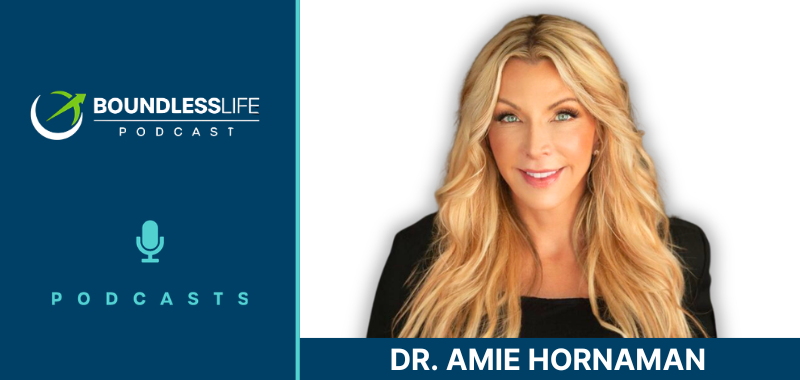
Dr. Amie Hornaman wp

How Fixing Your THYROID Improves Fat Loss, Hair, Skin & Energy, With Dr. Amie Hornaman

Listen on: Reading time: 6 minutes What I Discuss with Dr. Amie Hornaman: How Dr. Amie Hornaman gained 25 pounds...

Best of - Longevity WP

Longevity MASTERCLASS: Biological Age, Mitochondrial Repair & The Superhuman Protocol

Listen on: Reading time: 6 minutes What I Discuss with Gary Brecka, Dr. Anurag Singh & Dave Pascoe: How Gary...

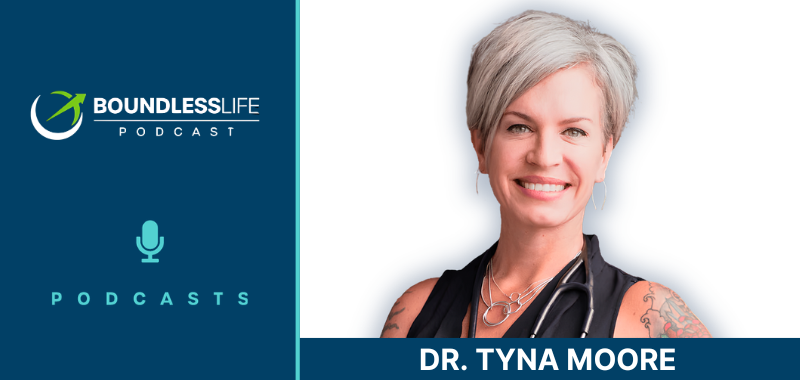
Boundless Life Podcast promotional graphic featuring guest Dr. Tyna Moore, a smiling woman with short gray hair, wearing a black top with layered necklaces, against a white background. A dark blue sidebar on the left displays the podcast logo, a microphone icon, and the word 'PODCASTS,' with 'DR. TYNA MOORE' labeled in a blue banner at the bottom right.

How To Microdose GLP-1s Correctly: Lose The Fat, And KEEP The Muscle – With Dr. Tyna Moore

Listen on: Reading time: 6 minutes What I Discuss with Dr. Tyna Moore: Why I’m re-airing this conversation, where Tyna...