Welcome to Ben Greenfield's Weekly Roundup!
In this weekly post, I share with you my most interesting discoveries of the week, including the latest news on the fronts of fitness, nutrition, health, wellness, biohacking, and anti-aging research. I also recap my upcoming events and special announcements so you can keep up with opportunities to learn, giveaways, discounts, and more!
New Discoveries
AI Coaches “Taking Over”?! *This* New Research Says Human Coaching Still Wins Where It COUNTS… 🧠📊
Every few months, a new AI health app drops, and coaches start sweating.
The anxiety is understandable. But research doesn’t support the conclusion that coaches are “dying.” Here’s what the data actually says…
AI can generate a diet plan, build a progressive overload program, and calculate your total daily energy expenditure (TDEE) in seconds. But those tasks are the least important part of what a coach does because information has never been the bottleneck.
In one review that analyzed 284 peer-reviewed articles on health coaching, 86% of studies identified “accountability within an ongoing interpersonal relationship” as a core feature of effective coaching, and 63% defined coaching as active self-discovery rather than passive advice delivery. Meanwhile, AI is fundamentally an advice machine.
The stat that really matters here is dropout, at about 43% among AI health tool users. A 2025 review found nearly half of users disengage from AI-driven health tools. Engagement tends to spike early, then fall off quickly, with most people abandoning apps within weeks.
The people who benefit most from coaching, those with low motivation, poor self-regulation, or high environmental barriers, are often the first to disengage from AI tools. The positive outcomes seen in AI coaching trials tend to come from a highly selected group who remain engaged in controlled settings.
Research on eHealth dropout predictors shows that human accountability, not app sophistication, is the strongest driver of continued engagement. Clients push through resistance because they don’t want to let down a real person who will check in with them.
When tested head-to-head, a 2025 quasi-experimental study in the Journal of Work-Applied Management found participants rated human coaches higher than AI across every metric measured, including working alliance, goal attainment, commitment, trust, and development of new insights. Every single one.
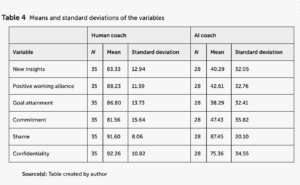
A side-by-side comparison of how participants rated human coaches vs. AI coaches across key coaching outcomes.
So the real question isn’t whether AI replaces coaches; it’s how coaches can use AI to become better.
AI can handle program design, macro calculations, food logging, and tracking. That frees up time for the highest-value work: building relationships, identifying resistance, and sustaining motivation through months of friction.
The coaches most at risk aren’t competing with AI. They’re the ones doing work AI can already automate, meaning plan delivery is replaceable, but human presence is not.
If you're looking for a coach to keep you accountable and on track, you can check out my team at TRIUMPH Coaching.
We use AI where it helps, but we also know that real results come from something AI can't replicate: the relationship between a coach and the person they're working with.
Thanks to Prabhat Kumar, featured in Alan Aragon’s Research Review, for surfacing these insights.
This Week in Health & Performance: What the Latest Research Says
🌱🧫 Dirt, Microbes & Stronger Immunity: Finland swapped artificial playgrounds for natural elements like soil and plants, and kids exposed to these environments showed improved immune markers, including more regulatory T cells, suggesting early exposure to diverse microbes may help build resilient immune systems (read more).
🏃♂️❤️ Can You Train Too Much?: Some research links very high training volumes to increased coronary plaque, but importantly, there’s no clear evidence that this translates to higher mortality risk. The nuance: more training isn’t always better, but context is important, too (read the study).
🥩📊 Protein Per Meal—No Real “Limit”: Your body absorbs nearly all the protein you eat; there’s no hard cutoff. What plateaus is muscle protein synthesis, not absorption, meaning total daily intake and timing still matter more than arbitrary per-meal caps (get all the details in this Kion article).
🍜⚖️ Higher Protein Breakfast = Fewer Calories Later: A study found that eating a higher-protein breakfast (around 20 grams) reduced calorie intake at lunch by about 100 calories, showing protein earlier in the day may help regulate appetite (full study here).
Key Takeaway: From dirt exposure and immune health to protein timing and training volume, this week’s research highlights a recurring theme: the body responds best to balanced inputs, not extremes, and small daily choices can compound into meaningful health outcomes.
Want to dive deeper? Click the links above to explore the research, and click here to follow me on X for all the latest health and performance news hot off the press!
Product Of The Week
::: Master Your Sleep, Focus & Energy With Physics, Not Chemistry (& Get $100 Off Hapbee) :::
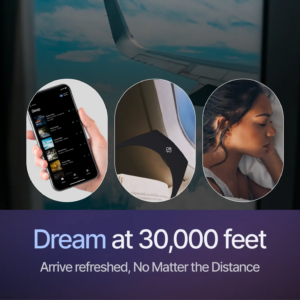 If you’ve ever traveled, pulled a late night, or just gotten thrown off your routine, you know how quickly your baseline energy can disappear.
Traveling to a new time zone means a different room, more blue light exposure, and a disrupted sleep schedule, all of which can tank your motivation and hurt your focus.
Most people try to fix this with supplements and stimulants like melatonin, caffeine, and sleep aids, but those come with a cost: liver load, disrupted sleep cycles, and the classic crash or groggy hangover.
When I’m traveling or trying to reset my rhythm, I’ll use the Hapbee Deep Sleep signal to help nudge my nervous system back on track, fall asleep more easily, and recover better, all without adding another pill to the stack.
If you want to stay sharp, sleep deeper, and avoid the stimulant-sleep aid cycle, you can grab Hapbee right now and save $100, plus get a 30-day free membership using this link.
Podcasts I Recorded This Week:


The Latest Content I Was Featured On This Week:
My Article Feed:
My full article feed and all archives of my articles are here.
This Week's Most Popular Instagram Post:
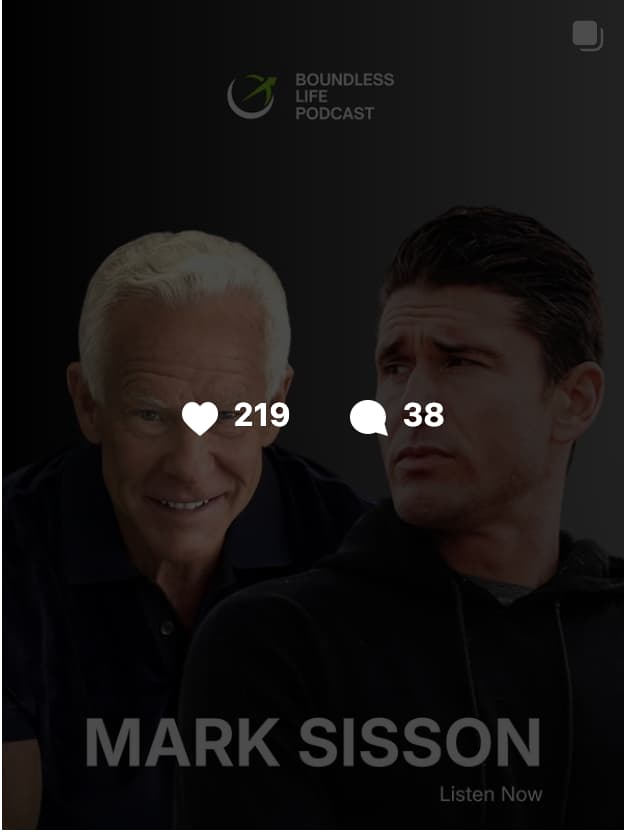 Boundless Life Podcast video thumbnail featuring Mark Sisson and Ben Greenfield against a dark background, with the text 'Mark Sisson – Listen Now,' showing 219 likes and 38 comments." width="632" height="832" />
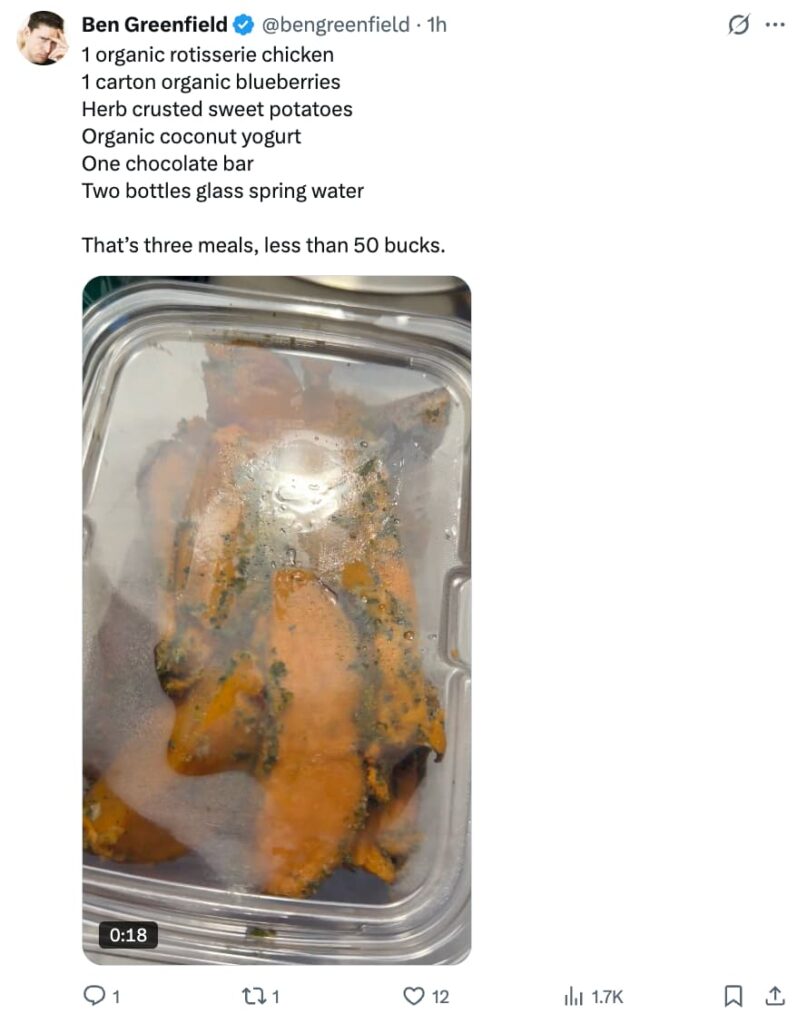
This Week's Most Popular Tweet:
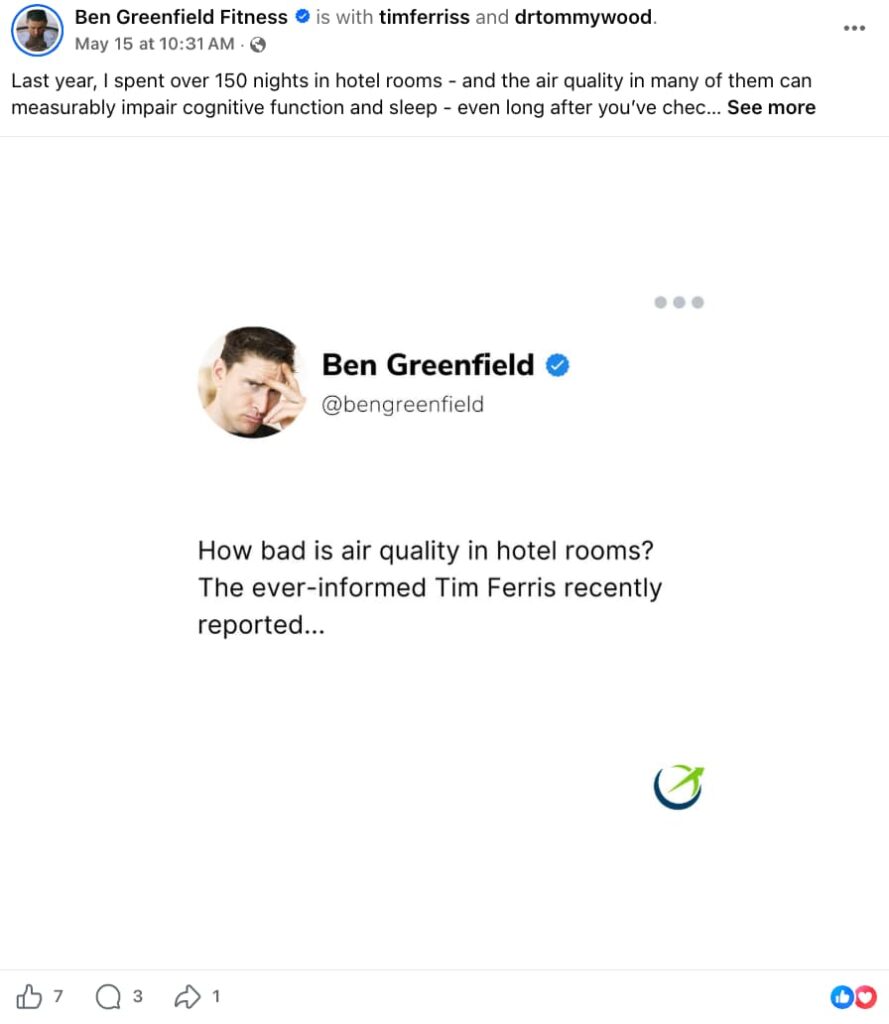
This Week's Most Popular Facebook Post:
Cheers,
Ben