
Reading time: 6 minutes
What I Discuss with Jay Feldman:
- The bioenergetic model of health focuses on maximizing cellular energy production to address chronic health conditions, and hormetic stressors, like fasting and exercise, activate similar oxidative stress pathways as toxins…04:54
- Not all stressors are equal—and how ketogenic and low-carb diets cause a prolonged cortisol response as the body shifts to fat-burning…12:35
- Burning fat as a primary fuel source can increase oxidative stress and trigger stress hormones to compensate for energy deficits, which may slow metabolism and disrupt hormones over time…18:14
- Low-carb and ketogenic diets, particularly below 200 grams of carbs daily, can elevate cortisol and glucagon, reduce thyroid activity, and disrupt reproductive hormones…24:37
- Ancient diets rich in tropical fruits challenge the idea that carb restriction is natural for humans…29:42
- Ketogenic diets can aid Alzheimer's and dementia by providing ketones as an alternative brain fuel when glucose usage is impaired, and reducing carbs can also ease gut-related stressors that contribute to brain inflammation…39:27
- Jay’s diet—40-60% carbs from fruits, honey, and root vegetables, along with animal-based proteins like red meat, low-fat seafood, and dairy, avoiding conventional chicken and pork as high omega-6 sources…43:35
- Jay tailors exercise to individual stress tolerance, emphasizing movement over intensity to avoid excess cortisol, and how he sees sauna use for circulation and detox benefits while recommending caution with cold exposure…46:52
- Jay’s daily routine—four meals with carbs, fats, and proteins; coffee with breakfast to avoid fasting stress; and light, varied exercise, with weekly weightlifting and MMA training…53:02
- Carnivore and keto diets may provide short-term benefits, especially for conditions like autoimmune issues or Alzheimer’s, by reducing carbs and gut stressors, but prolonged reliance on these diets can lead to elevated stress hormones and energy depletion…58:12
In today’s episode, you’ll get to explore the complexities of ketogenic vs. carnivore diets with health coach and independent researcher Jay Feldman. Jay explains why he prefers ketogenic diets over high-protein carnivore diets, focusing on how they rely on fats for energy rather than stressing the body with excess protein. The conversation dives into the hormonal and digestive impacts of high-protein diets, while also acknowledging the short-term benefits they may offer.
You'll also discover how to manage stress through food choices, improve carbohydrate utilization, and optimize gut health. Additionally, Jay shares his thoughts on using devices like continuous glucose monitors (CGMs) to measure stress hormones and offers practical advice on incorporating more carbs—like fruits and well-processed grains—into your diet for better energy and balance. His bioenergetic approach to health highlights the importance of cellular energy production and mitochondrial function. We’ll also tackle personalized exercise protocols based on individual stress levels, explore the benefits and limits of heat and cold exposure, and discuss the role of caffeine in daily routines.
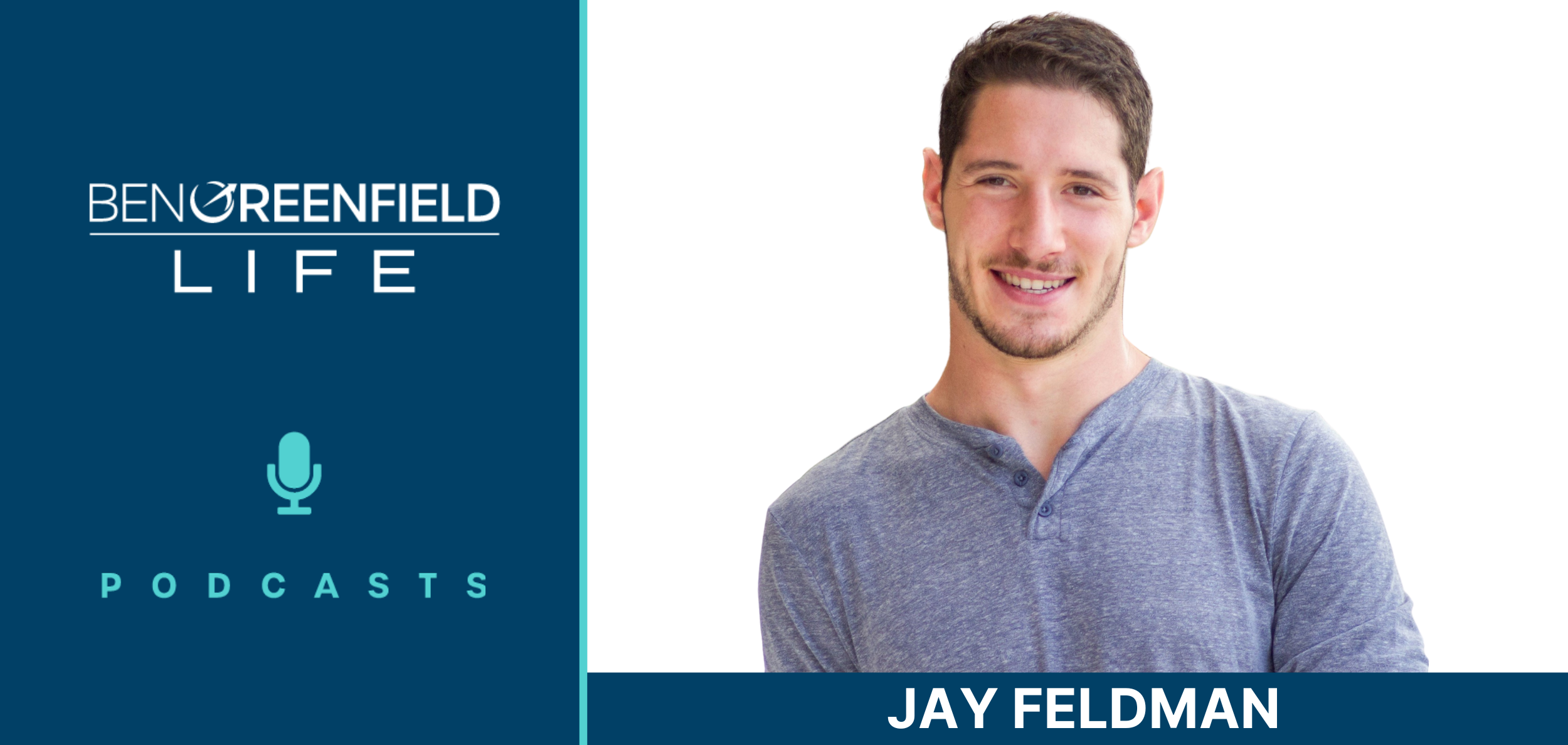
Jay Feldman is a health coach, independent health researcher, and the host of The Energy Balance Podcast. He holds degrees in neuroscience and exercise physiology but chose to forgo medical school after realizing that the conventional medical approach wasn't the solution to the health problems many of us face.
After working through various conventional and alternative health paradigms and trialing countless diets, Jay came across the idea that cellular energy is the foundation of health. Embracing this discovery, he now uses the Energy Balance approach to help men and women around the world maximize their cellular energy, optimize their health, and achieve freedom from low-energy symptoms and chronic health issues.
Tune in as we dive into the science behind diet, stress management, and exercise to unlock the secrets of achieving your best health!
Please Scroll Down for the Sponsors, Resources, and Transcript
Episode Sponsors:
Young Goose: To experience the transformative power of Young Goose's cutting-edge products, visit younggoose.com and use code BEN10 at checkout to enjoy a 10% discount on your first order.
Organifi Shilajit Gummies: Harness the ancient power of pure Himalayan Shilajit anytime you want with these convenient and tasty gummies. Get them now for 20% off at organifi.com/Ben.
BioStack: NAD Regen increases your energy, enhances your cognitive function, and slows aging. Get 19% off your three-month supply of NAD Regen by going to biostack.com/ben.
Fatty15: Fatty15 contains the first essential fatty acid to be discovered in over 90 years! Science supports Fatty15 has 3x more cellular benefits than omega-3, and is the leading longevity molecule. Get an additional 15% off their 90-day subscription Starter Kit by going to fatty15.com/BEN and using code BEN at checkout.
BiOptimizers Black Friday Offer: Trust me when I say this – you won't find a better Black Friday deal anywhere else, not even on the mighty Amazon. The biggest discount you can get and amazing gifts with purchase are available only on my page bioptimizers.com/bglife with code BEN10.
Resources from this episode:
- Jay Feldman:
- Ben Greenfield Podcasts and Articles:
- Studies and Articles:
- The Key Role of Mitochondrial Function in Health and Disease
- The positive effects of stress: How stress can actually be beneficial to your wellbeing
- Obesity, Oxidative Stress, Adipose Tissue Dysfunction, and the Associated Health Risks: Causes and Therapeutic Strategies
- Could the ketogenic diet induce a shift in thyroid function and support a metabolic advantage in healthy participants? A pilot randomized-controlled-crossover trial
- Are all sugars equal? Role of the food source in physiological responses to sugars with an emphasis on fruit and fruit juice
- Effects of Evolution, Ecology, and Economy on Human Diet: Insights from Hunter-Gatherers and Other Small-Scale Societies
- Our Ancestors Ate a Paleo Diet, With Carbs
- The Ketogenic Diet and Alzheimer's Disease
- Meet the Doctor Who Changed Our Understanding of Stress
- Menno Henselmans – Studies on the optimal protein intake
- Other Resources:
Upcoming Events:
- Edge of the Earth with Ben Greenfield — New Zealand: Feb. 24–Mar. 1, 2025
Join me for an epic adventure on New Zealand's South Island, where you'll explore stunning landscapes, from majestic trails to secluded surfing spots. Experience thrilling activities like biking the Alps 2 Ocean route and relaxing in natural hot springs. This journey combines breathtaking nature, rejuvenation, and exhilarating experiences for a truly transformative trip. Secure your spot now!
- Health Optimisation Summit — Austin, Texas: Apr. 12–13, 2025
The Health Optimisation Summit, Europe’s top wellness conference, is making its U.S. debut in Austin, Texas—and I will be there! Join me for a powerful talk and Q&A, plus experience insights from 35 world-class speakers covering everything from nutrition and fitness to longevity and mental health. Explore over 100 exhibitors, test the latest biohacking tech for free, and connect with 2,000 like-minded attendees committed to living their best lives. Grab your tickets here and use code BENGREENFIELD to claim 10% off.
- Keep up on Ben's LIVE appearances by following bengreenfieldlife.com/calendar!
Do you have questions, thoughts, or feedback for Jay Feldman or me? Leave your comments below and one of us will reply!

3 Responses
Could you please link to this study:
“No difference between whole fruit and fruit juice when it comes to the glycemic index”
Thank you!
Jay mentions on the interview that burning fat creates more ROS when it’s actually the exact opposite that I’ve learned on biochemistry. I learned that the mechanism is that carbs create more ROS and the breakdown of carbs causes more celular damage. As electrons are being passed down the chain from protein complex to protein complex they can get lost, they get the most lost at the first step
In the electron transport chain, that’s when they’re coming from the glucose pathway.
If you’re eating a lower carb diet you cause less free radicals damage, it’s cleaner fuel. The electrons come in through the second step in the electron transport chain. How can he state that burning fat creates more ROS when it’s the exact opposite?? Very confusing…
I explained the biochemistry of this here (it’s pretty universally agreed upon in the research – the increase in ROS from fat oxidation is one of the primary contributors to its stress/hormetic effects): https://www.jayfeldmanwellness.com/carbs-vs-fats-which-is-the-better-fuel/. You’re right that most of the ROS generation comes from complex I of the electron transport chain, but this increases during fatty acid oxidation relative to carb oxidation, in part due to reverse electron transport and also because there’s still NADH dropping off electrons at complex I during fatty acid oxidation yet less ubiquinone to accept the electrons due to the increase activity at complex II.