
Welcome to Ben Greenfield's Weekly Roundup!
In this weekly post, I share with you my most interesting discoveries of the week, including the latest news on the fronts of fitness, nutrition, health, wellness, biohacking, and anti-aging research. I also recap my upcoming events and special announcements so you can keep up with opportunities to learn, giveaways, discounts, and more!
New Discoveries
Taking GLP-1s? Watch Out for *These* Potential Nutrient Gaps (& Why Calories Still Drive the Bus) ⚡
GLP-1 drugs like semaglutide and tirzepatide are powerful tools for appetite control and weight loss. But a new analysis of over 480,000 people shows a consistent pattern that deserves more attention.
The most common issue? Nutrient deficiencies, especially in vitamin D, iron, B vitamins, and calcium.
Vitamin D topped the list, affecting about 13.6% of users after 12 months, followed by anemia (4%), iron deficiency (3.2%), and B vitamin deficiencies (2.6%).
And when researchers actually looked at food intake, the story became even clearer: 72% weren’t getting enough calcium, 64% were low in iron, and almost no one met vitamin D needs.
This likely isn’t due to the drugs “stripping nutrients” from your body. It’s the fact that you’re eating less, and often less nutrient-dense foods.
Interestingly, these are the same types of deficiencies seen in under-eating populations, like those with anorexia. The mechanism is simple: less food in, fewer nutrients available.
Now layer in training combined with low-calorie intake, and things get even more interesting…
A different randomized trial showed that when calories drop too low, especially during intense exercise, performance starts to suffer.
Even when protein was kept high, reduced carbohydrate intake led to declines in high-intensity performance, along with increased fatigue, hunger, and frustration.
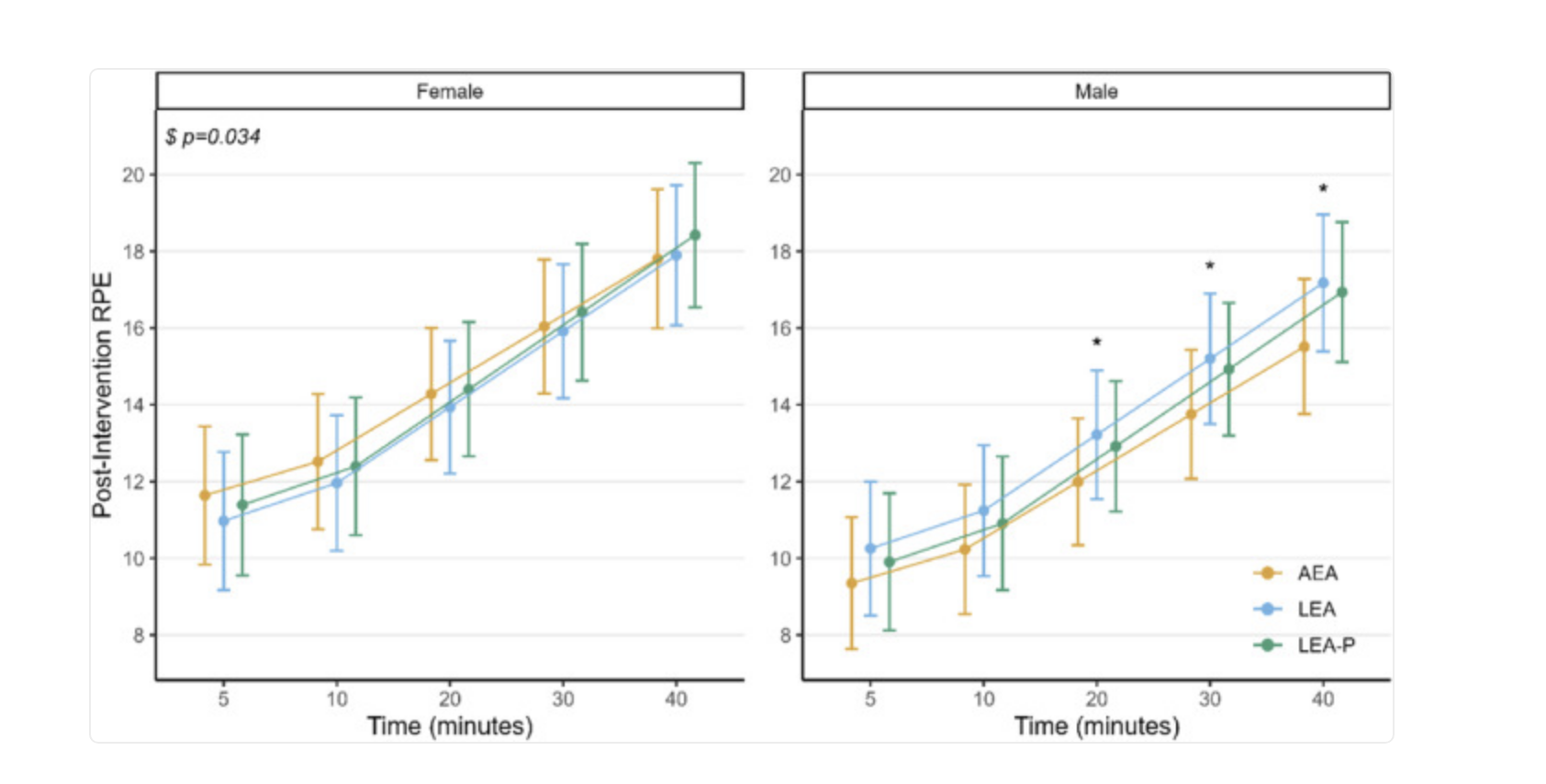
My take: GLP-1s can absolutely be useful, but they don’t replace the fundamentals.
If you’re using them, you need to be even more intentional about nutrient density, micronutrient intake, and fueling for performance, especially if you’re training hard.
In many cases, that means prioritizing whole foods, considering targeted supplementation, and not being afraid to increase carbs strategically if you're active (and you should be if using GLP-1s, considering the well-documented risk of lean muscle loss, reduced strength, and metabolic slowdown that can come with rapid weight loss).
Even if you're not on GLP-1s but are eating low-calorie while also exercising hard, adding MORE carbs to your diet may stave off negative performance-like effects of low-calorie-state exercise.
Want to go deeper on how to use GLP-1s without sacrificing performance, recovery, or long-term health? You can check out the resources below:
- PEPTIDES: Unlocking Muscle Growth, Fat Loss, Gut Healing, Longevity & The Truth About GLP-1 Drugs – “Best Of” Episode.
- How To Microdose GLP-1 (& How To Make Eating Less EASY Even After You Stop Your Peptides) With Geoff Cook of Noom.
- The ULTIMATE Travel Workout Routine, Microdosing GLP-1, Increasing Libido *Without* Testosterone Replacement Therapy & More! Solosode #481.
- Ben’s *Shocking* Self-Experiment With Semaglutide, The Surprising Facts About GLP-1 & Why GLP-1s May Not Be The Big, Scary Drugs You’ve Been Led To Believe, With Dr. Tyna Moore.
This Week in Health & Performance: What the Latest Research Says
🌙🍽️ Eating Before Bed—Not So Bad?: A new study suggests eating closer to bedtime may not harm sleep as much as we thought, but context matters. The comparison was between stopping food 4.5 vs. 2.5 hours before bed, not late-night snacking in bed. For most people, it’s the what and how much that disrupts sleep, not just timing (full study here).
🦠🥔 Butyrate & Metabolism Boost: Emerging research shows butyrate, a compound produced from fiber fermentation, may amplify the effects of calorie restriction by improving metabolism and regulating appetite and blood sugar. Think resistant starches like green bananas, cooled potatoes, rice, and peas (read the study).
🧠⚡ Testosterone & Brain Tumors: A surprising NIH-backed study suggests testosterone may actually suppress brain tumor growth in males, highlighting a complex and often misunderstood role of hormones in disease progression (full study).
🏋️🔥 Lift Heavy, Reap Heat Benefits: You don’t need a sauna or hot climate to trigger heat shock proteins. Intense resistance training, like heavy squats at 85%+, can stimulate similar cellular stress responses that support recovery and resilience (read more).
Key Takeaway: From meal timing and gut-derived metabolites to hormones and training intensity, this week’s research reinforces a core idea: context matters. It’s not just what you do, but how, when, and in what environment you do it that shapes your results.
Want to dive deeper? Click the links above to explore the research, and click here to follow me on X for all the latest health and performance news hot off the press!
Product Of The Week
::: Explore the Deeper Story of Your Epigenetics With TruDiagnostic (& Save 20%) :::
Most health testing shows you what’s happening in your body right now. That’s useful, but it’s only part of the picture.
Standard bloodwork can help you understand current levels of glucose, lipids, nutrients, hormones, and inflammation markers.
But epigenetic testing looks at a different layer of biology: DNA methylation, which is how your genes express themselves. These methylation patterns can reflect how your body is responding over time to factors like sleep, training, nutrition, stress, toxins, recovery, and aging.
TruDiagnostic’s TruAge test analyzes over 1 million sites on your DNA to estimate your biological age, pace of aging, and the age of 11 key organ systems, including your brain, heart, liver, lungs, immune system, and metabolism.
The test's real power lies in its use of advanced AI-driven epigenetic science, developed with Harvard, Yale, and Duke. Instead of looking at a single lab value in isolation, TruDiagnostic helps translate large-scale methylation data into personalized insights about how your body is aging and where you may have opportunities to optimize.
The goal isn’t to replace bloodwork, but to add a deeper, long-term layer of insight, so you can stop guessing, track whether your interventions are working, and make more informed decisions with your practitioner.
Ready to learn what your biological age may be telling you?
You can use code BEN20 at checkout here to save 20% off.
Podcasts I Recorded This Week:


Light Engineering That Makes You Look YOUNGER (& Beauty Lasers Vs Face Masks!) With LYMA’s Lucy Goff
The Latest Content I Was Featured On This Week:
My Article Feed:
My full article feed and all archives of my articles are here.
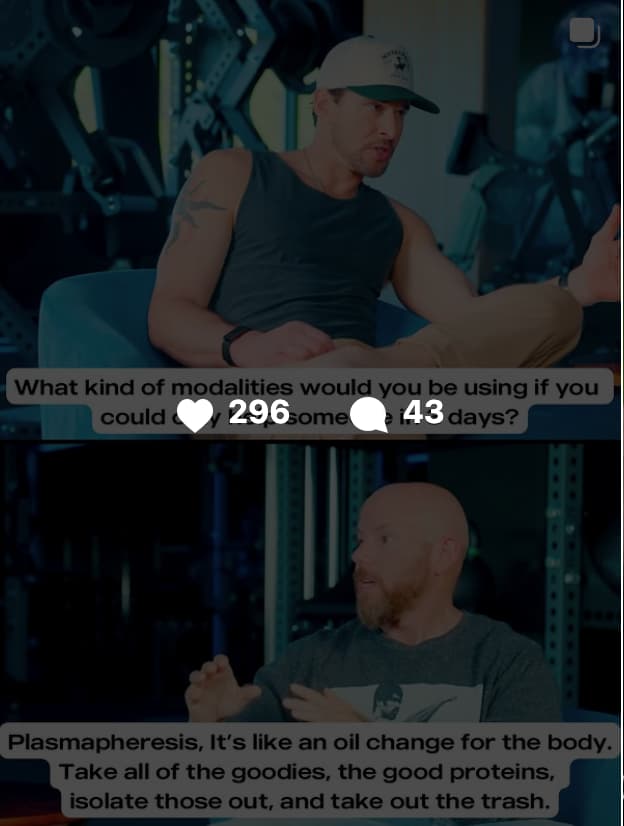
This Week's Most Popular Instagram Post:
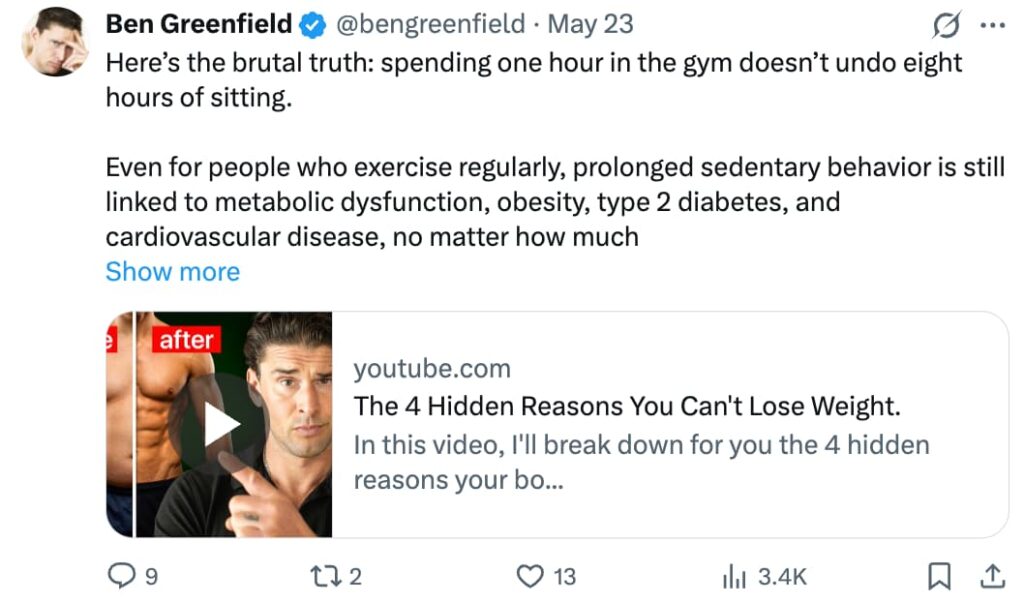
This Week's Most Popular Tweet:
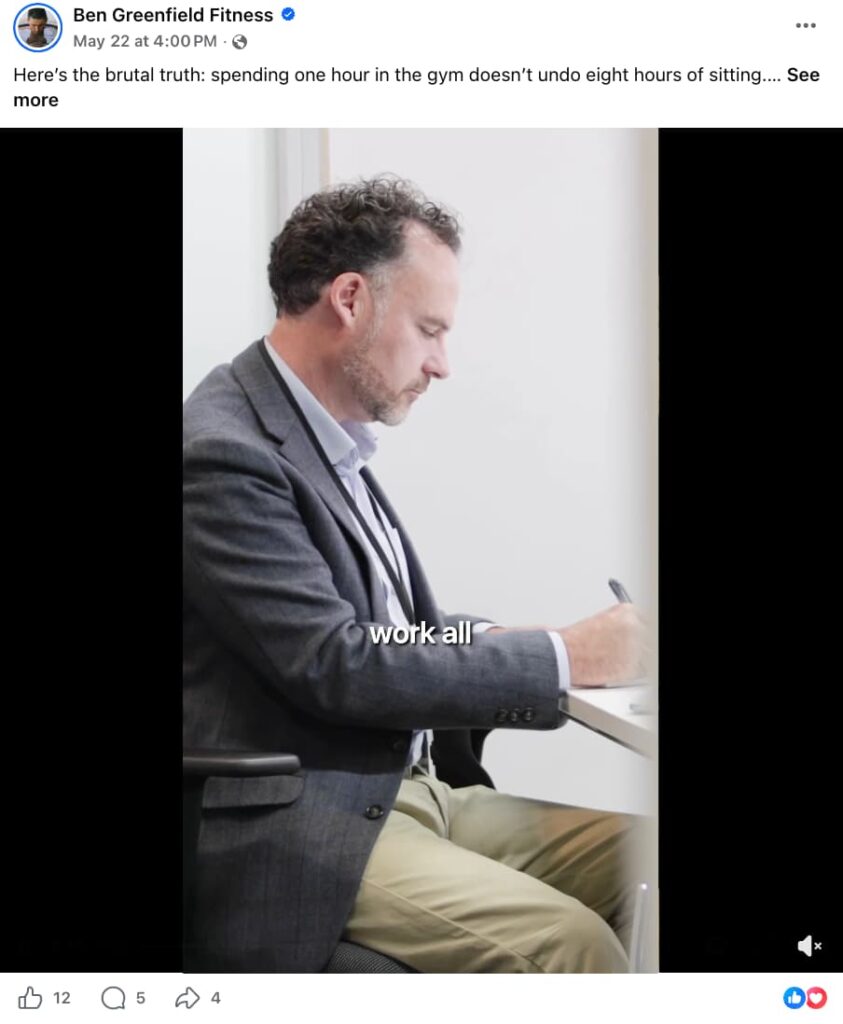
This Week's Most Popular Facebook Post:
Cheers,
Ben