Home » Podcast » The Coolest, Craziest Oral Peptides (& Where To Get Them), Boosting Testosterone Without Drugs & More With LIFE Network Expert Kyal Van Der Leest

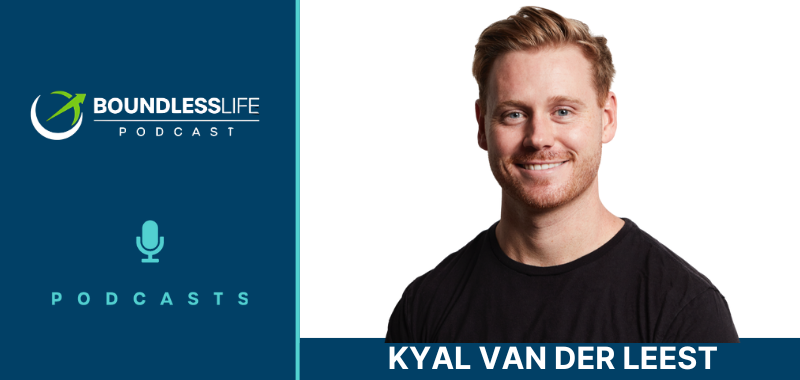
The Coolest, Craziest Oral Peptides (& Where To Get Them), Boosting Testosterone Without Drugs & More With LIFE Network Expert Kyal Van Der Leest

Listen on:

Reading Time: 8 minutes

What I Discuss with Kyal Van Der Leest

  • Kyal’s quick reference guide for understanding various peptides and their applications…05:28
  • Background and impact of Australia’s “peptide scandal,” regulation of injectables, what’s banned today, and how that compares to recent US FDA action…07:04
  • When to take peptides for best results, why digestive enzymes are actually contraindicated, and tips for enhanced bioavailability…14:51
  • Why some peptides must be injected, how amino acid chain length impacts absorption, and how certain oral peptides (with good formulation) can be effective…19:29
  • When and why to use GHK-Cu orally, its anti-aging, stem cell-enhancing, and skin benefits, and plans to add it to gut formulas…25:17
  • Why guanidinoacetic acid absorbs better than creatine, the importance of methyl donors, impact on muscle mass, cognitive function, and supporting research…30:56
  • Why NACET (N-acetylcysteine ethyl ester) outperforms standard NAC, its bioavailability, and roles in detox and brain protection…37:06
  • Formulas: 7,8-Dihydroxyflavone (7,8 DHF), liposomal Dihexa, premium mushrooms, and strategies to boost brain-derived neurotrophic factor for brain resilience…42:37
  • Follistatin gene therapy, why natural boosters are often safer, the impact of Selective Androgen Receptor Modulators (SARMs) on hormones, and strategies to elevate testosterone without TRT…51:03
  • How to combine TB-4 and BPC-157 orally for next-level recovery, the regulatory landscape, and why accessibility matters for peak performance…54:35

In this “Best of LIFE Network” episode, you'll discover the fascinating realm of revolutionary peptides with two-time guest, Kyal Van Der Leest—a distinguished naturopath, nutritionist, supplement formulator, and the founder of LVLUP Health (use code BEN15 to save 15%).

You'll explore how these powerful compounds can rapidly repair tissues, elevate your energy by boosting NAD levels, sharpen your mind, and even naturally enhance sexual health, offering alternatives to medications like Viagra. Kyal and I will also unravel some of the most innovative peptides you may have never heard of (but should definitely get to know).

Additionally, we'll reveal the compelling synergies between peptides and functional fillers for optimized absorption, the wonders of COX-2 inhibitors for inflammation, and the multifaceted benefits of GHK-Cu for anti-aging and longevity. Kyal will also break down the science and applications of peptides like PEA for sleep and inflammation, 5-amino-1MQ for boosting NAD levels, and Tβ4 fragments for pain and wound healing.

You'll also delve into practical tips for maximizing the effects of these potent compounds, discover why Kyal advocates for funding and research in peptides, and how contamination concerns emphasize the need for good manufacturing practices. Our conversation broadens to encompass intriguing topics, including the nuances of gut health, innovative testosterone optimization methods, the significance of the blood-brain barrier in preventing neurodegenerative conditions, and much more!

Kyal Van Der Leest is the founder, formulator, and face of LVLUP Health, an Australian-based supplement company. Under his guidance, LVLUP Health (use code BEN15 to save 15%) has created a diverse range of cutting-edge supplements utilizing incredibly powerful ingredients that you may not have heard of before.

His formulations aim to simplify complex health protocols, reducing the need for multiple products by offering all-in-one solutions that make supplementation easy and effective. LVLUP products incorporate a unique combination of the best ingredients from functional medicine, naturopathy, and nutrition, targeting the multiple mechanisms driving health conditions. These include orally bioavailable peptides, herbal botanical extracts, isolated herbal constituents, bioidentical and activated nutritionals, and vitamins, ensuring the highest efficacy.

Without further ado, get ready for an enlightening journey into the world of peptides, packed with actionable insights that promise to elevate your fitness, health, and overall well-being. And if you didn't catch my first fascinating show with Kyal, you can check it out here.

Want to Hear More from Kyal Van Der Leest and Other Leading Health Experts?
LIFE Network

Inside LIFE Network, you can follow trusted wellness experts like Gary Brecka, Dr. Leland Stillman, Dr. Sandra Kaufman, Shawn Wells, Sarah Beth Yoga, Renee Belz, and more, all in one place to help you build a healthier, more intentional life.

When you join LIFE Network for FREE, you'll receive instant access to:

Ready to stay consistent all year?

You can also upgrade to LIFE Premium for:

  • Daily TRIUMPH programmed workouts from my coaches.
  • Monthly group coaching calls for accountability and real guidance.
  • Unlimited messaging with Ellen—your 24/7 health transformation assistant—for ongoing support.
  • A completely ad-free experience.

Click here to try 1 month for $1.

Please Scroll Down for the Sponsors, Resources, and Transcript

Episode Sponsors:

Apollo: Apollo is a safe and non-invasive wearable that actively improves your sleep. Head over to apolloneuro.com/bengreenfield and use code BENGREENFIELD for $90 off.

Just Thrive: Just Thrive Probiotic is the only probiotic clinically proven to arrive 100% alive in your gut, wrestling in less bloat, better energy, and even clear skin. Digestive Bitters packs 12 science-backed herbs in one tasteless capsule that jumpstarts your digestion and supports GLP-1 production so cravings don’t control you. Visit justthrivehealth.com/BEN and save 20% with promo code BEN. See the difference for yourself or get a full product refund, no questions asked.

Sunlighten: Sunlighten's patented infrared sauna technology delivers the highest quality near, mid, and far infrared wavelengths to reduce inflammation, boost mitochondrial function, enhance detox pathways, and optimize recovery—backed by 25+ years of clinically proven, non-toxic innovation. Save up to $1,400 at get.sunlighten.com/ben with code BEN.

Formula IQ: Recuperate IQ by Formula IQ is a comprehensive copper supplement designed to support mitochondrial energy, iron balance, and metabolic health by pairing bioavailable copper with essential cofactors your body needs for proper utilization, which is especially crucial if you've been under chronic stress or supplementing with high-dose zinc. Try it at formulaiq.com and use code BEN for 10% off.

LeelaQ: Not only do LeelaQ’s products neutralize EMFs, increase ATP production, optimize HRV, and improve blood flow, but they've been third-party proven to do so in placebo-controlled double-blind studies. Visit leelaq.com and use code BEN10 for 10% off.

Resources from this episode:


Upcoming Events:

  • WaterBreak Summit 2026 — March 27–28, 2026

    Experience an insightful two-day gathering that brings together faith-forward teachings, practical health strategies, and no-nonsense conversations about fitness, metabolism, hormones, gut health, and sustainable lifestyle change. Across keynote talks, expert sessions, and community connections, you’ll learn actionable frameworks to help you steward your body wisely in a culture flooded with fads, misinformation, and quick fixes. You can choose General Admission for full access to both days, or upgrade to VIP for an exclusive Friday dinner with speakers and guests before the conference begins. Click here to join us!

  • “Become Boundless” Longevity Retreat — April 29–May 3, 2026

    Join Ben Greenfield and Dr. Matthew Cook in Nassau, Bahamas, at Champion Spirit Country Club for the “Become Boundless” Longevity Retreat. This immersive, all-inclusive experience centers on daily workouts and mobility training, advanced longevity and recovery therapies, expert-led workshops and Q&As, guided breathwork and meditation, and organic, nutrient-dense meals. You’ll have hands-on access to leading-edge modalities, including hyperbaric oxygen, cryotherapy, contrast therapy, cold plunges, red light sauna, and performance-focused treatments, all woven into a luxury, ocean-adjacent training environment designed to support deep recovery, resilience, and sustained vitality. Explore details and reserve your spot here.

    Stay tuned for future updates—and you can always keep up with my LIVE appearances by checking out bengreenfieldlife.com/calendar!

Do you have questions, thoughts, or feedback for Kyal Van Der Leest or me? Leave your comments below, and one of us will reply!

Ben Greenfield [00:00:00]: My name is Ben Greenfield, and on this episode of the Boundless Life podcast.

Ben Greenfield [00:00:05]: All right, get ready for a dense and practical replay episode with Life Network expert Kyal Van Der Leest. We cover NAD boosters, gut repair stacks, peptides for inflammation, natural testosterone optimization, and a lot more. You're going to walk away with a whole new world of insight on peptides. Resources, discount codes, everything you need are at BenGreenfieldLife.comLNKyal K Y A L L N Kyal and for more on all of our Life Network experts, visit join lifenetwork.com. Kyal sent over to me this peptide quick reference guide. I put it on Instagram and literally thousands of people downloaded it. I don't know if it's because peptides have been under increasing scrutiny by the fda, but oral peptides are still pretty available because this goes into a lot of oral peptides. Many that you might be familiar with like BPC157 or GHK copper peptide, but then others that you might not be familiar with like KPV and 5Amino 1, MQ and Thymosin A1 and VIP.

Ben Greenfield [00:01:15]: Anyways, though, I will link to this peptide cheat sheet if you go to the show. Notes for today's show BenGreenfieldLife.com PeptidePower I thought it would be really cool to get Kyal back on the show to talk about orally bioavailable peptides as well as a lot of the really unique products, including his twist on creatine that me and my sons took before a workout this morning to test it out. I just got a package from Australia yesterday with all sorts of all sorts of candy from Kyal. So welcome back to the show, man.

Kyal Van Der Leest [00:01:51]: Thanks for having me back. I'm glad it all arrived in time and you get to try it out. And yeah, just a little candy bribe for the kids, really healthy ones, no sugar in them. So yeah, it's a nice treat from you guys.

Ben Greenfield [00:02:01]: Oh yeah, those are little gummies that you sent. Yeah. Do you make those gummies or were those just kind of extras?

Kyal Van Der Leest [00:02:07]: Yeah, I wish I made them. They're fantastic. I'd love to make them as like a multivitamin with that as the base. That'd be awesome for like a kid so supplement. But no, I don't make them. I just a favorite from over here in Australia. And yeah, thanks for having me back.

Ben Greenfield [00:02:22]: Yeah, I like them by the way, because a lot of gummies over here, they're flavored with sugar, alcohol, so they kind of bloat you. Those ones seemed a little bit cleaner so Anyways, though, we aren't here to talk about gummies, we're here to talk about peptides. But before we get in, Kyal, for people who didn't hear our first episode, which I will link to, by the way, if you go to BenGreenfieldLife.com PeptidePower how do you describe yourself and what you do to people?

Kyal Van Der Leest [00:02:47]: Yeah, so I'm a qualified naturopath and nutritionist and I've basically just become a formulator and I run level up health. Now. I have been trained in those things. So I sort of use a combination of what I learned in nutrition with naturopathy with functional medicine. When I was younger, I straight out of university, I got a job at a hyperbaric oxygen clinic and was working at a health food store. So between those sort of two jobs, I learned so much dealing with people who were either elite athletes at the hyperbaric oxygen center or chronically ill people. And I found very quickly what I was taught in university wasn't really cutting it as far as my ability to help people. So between that job, my own personal health challenges and the naturopathic store, it was just so formative and it was like this massive trial by fire.

Kyal Van Der Leest [00:03:45]: I had to learn fast to be able to help people. And that's sort of what I did. And how I did it was listening to audiobooks like your ones, or listening to podcasts like yours and Ben Vekowski and Dave Asprey's, all very, very formative podcasts. And I think most people in the functional medicine space now are kind of doing the same thing. You find your information wherever the best information is. And unfortunately for me in Australia, it wasn't the institutes, it wasn't the universities, it was online. And there's a bit of dogma around that, obviously. Oh, you're just pseudo science.

Kyal Van Der Leest [00:04:16]: And when I was doing a keto diet during my naturopathy degree, everyone was looking at me like I had two heads or like I was going to drop dead of a heart attack. But yeah, just breaking free of the dogma, finding out what works, putting, putting it together in the context of like evolutionary biology, if it makes sense. Like seed oils didn't make sense based on the way they're processed, yet that's what was being recommended. And yeah, gluten, food quality, none of that was recommended. So that was sort of my own journey and my own learning and that's sort of how I got to where I am now as far as level up goes and all the products. Well, there was working at that naturopathic health food store. There were hundreds, thousands of supplements that I'd recommend to people. They'd walk in, we do like a mini 5 minute console, tell me your problems and I'll try and find something to fix you.

Kyal Van Der Leest [00:05:02]: And I just found a real lack of things that were beneficial. Maybe like five products in the whole store that I would recommend religiously or would believe in. And then the rest just was like synthetic forms of vitamins or underdosed or just a ineffective combination. So I'd always like recommend people buy things from overseas rather than the store that I worked at, which didn't go down too well with this, with the store, the store owner or the manager. But yeah, overseas I always had to bring in stuff for my own personal use. And frustratingly, when you try to bring stuff in overseas to Australia, a lot of the time custom sees it or stories just stop you from having it entirely. So there was that frustration that basically led me to formulate within Australia and create these products from over here. And now things are going well, up to 20 products four years later.

Kyal Van Der Leest [00:06:00]: And yeah, peptides have always been the base of that because of that clinic. It was the clinic that I worked at, the hyperbaric one was directly opposite a compounding chemist that were years ahead of the rest of the world, I believe. They used to tailor made, used to be involved with them in Australia. So they were pushing peptides way before the mainstream person had any idea what a peptide was. So that was really formative. And when I got to using those, they just had such transformative effects on my health that I'm like, man, I gotta, I gotta bring these out to the masses. And here we are today.

Ben Greenfield [00:06:35]: Yeah, it's an incredible story. And that's the thing that I first noticed when you sent me a few of your formulations was the peptide component, which obviously is really interesting now because there's all these crackdowns, especially on injectable peptides. And that's why I want to get you back on the show, is to talk about some of these orally bioavailable peptides. But I wanted to ask you, what's the state of the peptide industry in Australia right now? Is it similar to the US where it's under increasing scrutiny, particularly the injectables?

Kyal Van Der Leest [00:07:04]: Well, prior to the September ban from compounding chemists last year, Australia was stricter than America. A lot of them were banned already because we had this thing called the peptide scandal back in the 2000s, where a professional sporting team were just shooting up AOD and TB500. And none of the regulatory bodies for in Australia knew what these were. And they kind of made them look silly because all these 20, 30 athletes taking to the field looking like super soldiers and winning games and doing fantastic. So, so, but you know, they were doing something that wasn't approved. So a lot of those players ended up getting banned. One of them was the MVP for the league for that season. He got stripped of that title after they found out that they were doing peptides.

Kyal Van Der Leest [00:07:52]: And as a reactionary step they banned and put a lot of stigma around peptides within Australia. So Yeah, ones like TB500 are still banned today. AOD 9604 I believe banned as well. And basically everything they took they put on the band list in Australia.

Ben Greenfield [00:08:14]: So and, and, and by, by the way, Kyal, was that both the oral and the injectable versions, just the injectable.

Kyal Van Der Leest [00:08:19]: Versions is what they were doing. A lot of the players would slander the other players by like mimicking the injectable, like doing an injection on the field. That was how the other teams were kind of like pedal petally mocking them for doing these actually highly advanced biohacking protocols. Like credit to the team for doing that. I know as well they were doing things like hyperbaric oxygen and red light therapy all the way back in like 2006. So they were pushing the envelope then, but maybe a bit too far ahead of the curve. But for as far as the bands and stuff, I think it's actually a bit more relaxed here comparative to America because you guys now have the FDA band for compounding chemists. That's the big thing I need to clarify is the ban on These list of 19 peptides is exclusively for these compounding chemists.

Kyal Van Der Leest [00:09:10]: And I'm concerned about that because there doesn't seem to be any good justification for why they've done that. And they've also cut the head off the most purest source of these peptides. There's a lot of vendors of these online now that have popped up like mushrooms and that's almost reactionary. To the compounding chemists that do have the FDA approval. The quality has to be perfect. It's like you've taken away the most pure and the cleanest source of these peptides with this regulation and now people who need them are going to go without them and people who still want them are going to get them elsewhere.

Ben Greenfield [00:09:49]: Right. From a tainted source. Potentially.

Kyal Van Der Leest [00:09:52]: Potentially. That's the issue when you sort of, when the dollar dictates where you get your peptides. There are really cheap options out there. Like I can, I can see it, I've seen it myself. But these things aren't cheap. Like they are custom synthesized. A lot of the time as a manufacturer, you know how much these cost and then you see companies selling them for less than your cost price. It just doesn't make any sense at all.

Kyal Van Der Leest [00:10:16]: And that's sort of where that, it's a bit of a. There's like a lot of landmines you can, you can step on when you're using peptides, especially the injectable ones. Like the purity of those needs to be perfect. The quality testing needs to be there. There needs to be no bacterial contamination, no lps, no metals. All these things that are so important and cost money to test for. As far as I can tell, a lot of these sort of fly by night vendors that have popped up aren't doing any of that required testing. And I just don't feel like it's a good thing that they've done that.

Kyal Van Der Leest [00:10:46]: These regulatory bans, I hope there's backlash and they reverse that decision and give it back to the compounding chemists. But from a policy perspective, the fact that they've done that really concerns me because they should be in the spotlight, they should be investigated, they should be studied in universities for what they can do. The biggest knock on peptides that I see, and I have to acknowledge is there is a very clear lack of human evidence. There's a lot of animal evidence, but human evidence, it's just not being done because they're not patentable. Well, instead of banning them, let's fund them, let's get this happening. You know, like they are helping people. Without that robust evidence base, there's, there's no doubt about the effects of these peptides now. People use them and they feel really good on them and then they don't want to go back to not using them.

Kyal Van Der Leest [00:11:36]: So rather than take them away because there might be some concern over it and taking it away from the best people making them, they really just should put this into studies. They should be funded for like armed services and veterans. Any sport where there's a risk of a brain injury, they should be used already proactively, or veterans returning with brain injuries or something like that. This is where they should, this is where the attention should be. Not on like, oh, we don't like them because we don't know what they are, or we don't like them because they're competing with the existing pharmaceutical drugs that are out there. So that's My big spiel about what's going on, it's a bit long winded, but I'm really passionate about this because these things have been called the future of medicine and it's for freaking good reason. They are so pletropic in their benefits. They're so safe in their safety profile.

Kyal Van Der Leest [00:12:27]: They don't interact with the liver, so there's very little risk of toxicity. There's a little bit higher risk with some of these synthetic derivatives that don't come from the body. There are peptides that are naturally based and ones that are synthetic, but for the most part they are broken down in circulation and by the kidneys. So there's very low risk, there's very high safety profile on these and there's so many other things out there that should be under scrutiny. Not these peptides.

Ben Greenfield [00:12:55]: When you were listing some of the things that would be potential concern for contamination, particularly an injectable PEP side, you mentioned lpss. You're referring to lipopolysaccharides and if so, how do those even get into an injectable?

Kyal Van Der Leest [00:13:08]: Yeah, well they shouldn't be in there. That's the, the fact of the matter. But yeah, lipopolysaccharide is a, from the cell wall of gram negative bacteria. It's highly inflammatory and it only would get in there with poor manufacturing processes and lack of sterility and yeah, just those two things and it really, there's no chance it should be in there. If a company has done the testing and has followed good manufacturing GMP facility protocols, which yeah, majority of them out there do, there's a lot of good vendors online that do follow these practices. And if you're going to buy, make sure you buy from someone who has the testing or if they don't have the testing, they can prove that they do it not just for LPS, but for heavy metal contamination.

Ben Greenfield [00:13:50]: For oral peptides with the pass through on the kidney, are you concerned at all for people who might have compromised kidney function or are there certain people for whom these wouldn't be a fit?

Kyal Van Der Leest [00:13:58]: Oh, when I say they come out of the kidney, it's like the metabolites of those peptides. Most of the time peptides are broken down just by proteolytic enzymes within your body, like hydrolase enzymes. The main one, a lot of the oral ones are only short chain. So the amino acid chain is usually between three and 10amino acids long. And they're all just one of the 20amino acids that are found in the diet anyway. So once that bond is broken and that tertiary structure or that folding structure of the peptide is broken, then you're just left with amino acids. It's not too dissimilar to if you just took like an essential amino acid and you've just got them a single form in the end. It's not like you're left with a toxic metabolite.

Kyal Van Der Leest [00:14:38]: You are just left with an amino acid which can then go on and incorporate itself into your muscle or go wherever it's needed. So the breakdowns of these things is just peptides are just amino acids, you know. So there's another added layer to the safety profile of these things now based.

Ben Greenfield [00:14:54]: On the fact that they're hydrolyzed in that manner. Would it make sense from a formulation standpoint or a stacking standpoint to take some kind of like a digestive enzyme if you were to consume an oral peptide? Or are they broken down easily enough without that?

Kyal Van Der Leest [00:15:07]: Well, taking a digestive enzyme alongside a peptide is actually a contraindicated point for when you consume them.

Ben Greenfield [00:15:13]: Really?

Kyal Van Der Leest [00:15:14]: Yeah. If you take it side by side with your peptides, you're not really giving them a good chance because that's one of the things with the formulations I do is I buffer against those enzymes by putting things like bicarbonate or cellcoprosate sodium. These things buffer the stomach acid and prevent that pepsin, pepsinogen to pepsin conversion in the stomach. Because pepsin's the main proteolytic enzyme in the stomach that will break down oral peptides. So taking your peptides away from proteolytic or any digestive enzymes is important because you've got the protein and the pac man next to each other. You want to kind of keep. Keep them apart or your own endogenous Pacman, so to speak, enzymes. Buffering them and keeping them sort of away from the main ones is a great way to make sure that they get systemic.

Kyal Van Der Leest [00:16:01]: Once it's systemic, they do last about three to six hours. It is a very short half life. And that's why certain things like the Follistatin therapy, if you just take Follistatin by itself, again, you have to take it daily, day after day after day, versus the ones that you've. I think you've done it with Adil Khan.

Ben Greenfield [00:16:19]: Yeah. You mean the intramuscular injection, the Follistatin gene therapy. Intramuscular, yeah.

Kyal Van Der Leest [00:16:24]: So the gene therapy versus just taking Follistatin, your body's making that Follistatin all the time, versus you'd have to inject it daily, probably two or three times.

Ben Greenfield [00:16:34]: Okay, so if I were to go up and have lunch after this and take your gut repair formula with lunch, would that mean I shouldn't take digestive enzymes at the same time from having a meal with gut repair formula?

Kyal Van Der Leest [00:16:44]: Yeah. So when I advise people how to take the products, I always say, if you can tolerate in that GI repair formula the zinc carnosine in the high dose, then have it away from food. But if you do get a bit nauseous from zinc, which people, ironically, the ones who are most deficient in zinc tend to get the most nauseous from zinc. So, yeah, if you do get nauseous from the zinc in that formula, take it with food. Otherwise, it's best to take your peptides away from food, especially if it's a high protein meal. It's because those endogenous enzymes that are being upregulated and the stomach acid that's being churned out in preparation or in reaction to you consuming your meal will compromise the ability of the peptides to be absorbed. Ones like the BPC157 are a bit more resistant because that's where they're made, in the stomach acid. They kind of are the exception to a lot of the rules that we apply to these orally bioavailable peptides in that it's made there and it's resistant.

Kyal Van Der Leest [00:17:41]: But. But ones like KPV or GHK, copper or the TB4 fragments, they're more fragile. And that's why we have to be intelligent in how we take them and how we buffer them or also how we deliver them. So, yeah, don't take it. Don't take your enzymes with your peptides would be my recommendation.

Ben Greenfield [00:18:01]: That's really good to know. Actually, I didn't know that. So the gut repair formula, by the way, which we've mentioned a couple of times, for people who didn't hear our first episode, this might help them wrap their head around your formulation approach. What all is in that?

Kyal Van Der Leest [00:18:13]: Oh, that one's a tripeptide formula. It's got kpv, lorazotide and BBC. Those three peptides are really amazing. All of them? All three of them. For repairing the gut lining.

Ben Greenfield [00:18:26]: Can you break down what each of those are and how they work?

Kyal Van Der Leest [00:18:28]: Sure. So BPC157, everyone's favorite peptide at the moment. If you're into peptides. Pleiotropic. Pleiotropic peptide. Multiple benefits, mainly centered around wound healing and restoration of the epithelial layer of the gut. It's really good for repairing hyperpermeability of the gut, as is the lorazotide, which is they work in synergy together. One sort of helps with the collagen networks.

Kyal Van Der Leest [00:18:57]: It helps upregulate the growth factors required for wound healing. And the lorazotide is a zonulin antagonist. So it brings together the, the lining of the epithelial wall layer. And yeah, together with kpv, which is an antimicrobial anti inflammatory peptide, they work really well in synergy to basically fast track your gut healing as as best they can.

Ben Greenfield [00:19:23]: Now what would be the difference between the oral bioavailability and the injectable? Bioavailability?

Kyal Van Der Leest [00:19:29]: Yep. So injectable is always going to be the gold standard for bioavailability. 100 of what you inject ends up in circulation. That's just how it is. Injectables often come as raw or lyophilized and then you have to reconstitute with water and then inject. That's is what it is. That's great. Purity is important for those, as we mentioned, the LPS and then the heavy metals versus the oral forms.

Kyal Van Der Leest [00:19:58]: Oral forms tend to be limited by the size of the amino acid chain. The most common example of a peptide that needs to be injected that everyone says is insulin. Insulin's a 51amino acid chain long peptide.

Ben Greenfield [00:20:14]: Yeah, so, so it's pretty big. Insulin is.

Kyal Van Der Leest [00:20:16]: And that's why all diabetics, you don't see them popping peptide or insulin capsules when they need to regulate their blood sugars. It's just too large. The, the kilodalton size and the chain lengths are too large for oral absorption. But if you get around the 10amino acid chain long mark and below, then these are called small chain peptides and they have a much better chance of being absorbed orally. The smaller they get, the better. As a rule, it's, you know, not solid rule, but as a rule, the smaller the and shorter the amino acid chain, the better the chance that will be able to be absorbed. And anything under 10, with the exception of BPC 157 which is 15, but anything under 10 you do have that ability for it to cross the intestinal epithelium and end up in circulation. Every peptide has a different profile of how well it will be absorbed and they tend to be, depending on the, the peptide, about the 15 to 20% mark.

Kyal Van Der Leest [00:21:15]: If you just take them as a raw peptide without sort of buffering it. And if that peptide is less than 10amino acids long. So like KpV that's A3, a three chain peptide. It's derived from Alpha MSH, the parent peptide of that from MSH you also have Melanitan which has KpV in it as well. But melanitan is too large. Alpha MSH is too large. But KPV being that 3amino acid peptide is small enough that if you buffer it with something like a delayed release capsule, something like bicarbonate to prevent the pepsinogen to pepsin breakdown of the peptide. You don't take it with enzymes, then it will make it pass and through your stomach acid well enough that you will end up absorbing it orally and it will end up in circulation where it can have its powerful anti inflammatory effects, its anti microbials, its anti candida and Lyme effects.

Ben Greenfield [00:22:09]: Well, KPV has some pretty cool analgesic, pain killing and mood enhancing properties too, right?

Kyal Van Der Leest [00:22:15]: That was the, that's the PEA portion of the products I use. So.

Ben Greenfield [00:22:19]: Okay.

Kyal Van Der Leest [00:22:19]: Yeah, that's palmitool ethanolamide. That's one of these new age or cutting edge supplements that I, I really like to recommend to people. It's essentially cannabis oil for its purpose and its effect. It works on the CB1, CB2 receptors. It has the analgesic effect that you mentioned before for pain killing. It's a COX, COX2 inhibitor and it really just helps with inflammation. It's kind of like a turmeric and a cannabis oil combined without any of the cannabinoids and any of the things that people worry about with cbd. So I really love that ingredient as a functional filler in my products.

Kyal Van Der Leest [00:22:58]: I don't ever use things like rice flour or just cellulose as a filler in the products. I think that's such a missed opportunity. When you know the peptides, they're only usually in microgram quantities. So you are left with if it's a 700 milligram capsule, you're left with like 699 milligrams to do something to synergize with the peptides. And that's in every formula I do. That's what I, I try and utilize. If people are taking a capsule, let's just get the most out of that capsule.

Ben Greenfield [00:23:29]: I know your, your capsules are pretty jam packed man. It's crazy. And, and the PEA based on the effects of the endocannabinoid system, would that also assist with sleep or sleep arch?

Kyal Van Der Leest [00:23:39]: Yeah, it can definitely do that. It can also reduce your neuro, neuro inflammation levels. And because it's PA is actually a Fatty acid. It has an affinity for the brain and for the heart. So it's a fantastic one for anyone who has any cardiac inflammation, but also any neuroinflammation. So that the PA and the magnesium threonate I was using together when I was living really close to a cell phone tower years ago, before I knew any better. And they really sort of helped me get through that along with things like methylene blue.

Ben Greenfield [00:24:09]: Yeah, the GHK copper peptide. You sent me that one. Now what would be the time or the reason to take that orally?

Kyal Van Der Leest [00:24:17]: So GHK is one that has that low bioavailability that I spoke of. And most people will inject it, which as a copper thing to inject it can actually be quite painful. But you take the GHK because it's fantastic for anti aging. It upregulates a heap of your longevity genes, it helps activate your stem cells. And even if you take it orally and it, it will end up systemic the way I formulated it. And then it has just fantastic effects for your skin, for the stem cells of your skin, but also for the stem cells of your gut. So in maybe three or four months time, I'm going to actually be adding it to the GI repair formula because I've just found so much literature on it helping with the gut that at the moment I, with that large dose of zinc, I balance it out with copper citrate. Well, I'm just going to swap that copper citrate for the GHK copper.

Kyal Van Der Leest [00:25:08]: That way I'm still maintaining a good zinc to copper balance. But you know, we're adding a very, very functional synergistic peptide rather than just a bit of token copper to, to balance those ratios out.

Ben Greenfield [00:25:20]: Yeah. And you have this peptide cheat sheet. And again, I'll put [email protected] PeptidePower if people want to check it out. But there was one oral peptide. I might have missed it or not seen it on here. But the TB4AC SDKP, that's not a mouthful enough. What's the advantage of that one?

Kyal Van Der Leest [00:25:42]: Well, you can see exactly why I needed to create a cheat sheet, like remembering.

Ben Greenfield [00:25:47]: Yeah, this thing's huge. I'm holding it up.

Kyal Van Der Leest [00:25:50]: Well, there's actually two of them. There's AC SDKP and aclktetq. So easy to remember those. I deal with them almost every day. And even still I had to look up the second one to remember it. But these are basically the terminal ends of the parent TB4 peptide. So TB4 is too large. Again, it's too large to absorb orally.

Kyal Van Der Leest [00:26:14]: I think it's about 40 something Amino acids long.

Ben Greenfield [00:26:17]: Just to clarify, this is the thymosin beta 4 that a lot of people will inject for like, inflammation or for healing and recovery.

Kyal Van Der Leest [00:26:24]: Right, Exactly. Thymus and beta 4 is the naturally occurring form and TB500 is the synthetic analog. So it was created to give the effects of TB4, but as a more concentrated synthetic form of it. So they're basically interchangeable TB4 and TB500, but the TB4 is the natural longer amino acid and the TB500 is shorter. But from that TB4 there is an N terminal and a C terminal and the AC SDKP is one of the ends and the ACLK TetQ is the other. And basically, by taking these two short chain peptides out from the parent peptide, you are removing all of the middle part, which some of those fragments within that middle part of the chain of the TB4 peptide have benefits. But you can just take these pentapeptide and the other one, I think seven amino acids long. And because they're now short enough to be orally bioavailable, you can then get the benefits of the parent TB4 thymus and beta 4 peptide orally.

Ben Greenfield [00:27:32]: Yeah. So for pain, inflammation, you could take this orally.

Kyal Van Der Leest [00:27:35]: Yep. So the, each fragment does different things. So the AC SDKP is anti inflammatory, it's anti fibrotic, it helps with like blood vessel growth, it's good for the integrity of the epithelium and the, and the tight junctions in the body. And yeah, it's really, really good for the cardiovascular system versus the other really long one. That's where people sort of might associate the TB500 with the musculoskeletal repair and regeneration and the, the wound healing and just sort of the other part of the wolverine stack that people say. So that's that fragment. So by combining those two together, you can have it basically have your cake and eat it too, without having to inject the parent TB4 or TB500 peptide.

Ben Greenfield [00:28:22]: Okay, cool. You know, you mentioned TaylorMade compounding back when they were still compounding peptides, a guy named Ryan Smith was involved with their company. I interviewed him. He talked about this orally available peptide called 5Amino 1 MQ. And he's an athlete, he's not really a huckster. One of those guys who'll say, oh, you take this, it'll break Olympic records. But he did say that it improved his vertical jump dramatically. So I got some and Started stacking it five days on, two days off, pre workout.

Ben Greenfield [00:28:52]: It's incredible. But how is that one working? The 5Amino 1 MQ?

Kyal Van Der Leest [00:28:56]: Yep. So that's essentially boosting your NAD levels, some argue, more than actually supplementing NAD or NMN will do. And that's because this compound, in which there's also another one called JB snf, these two basically work to inhibit the enzyme that converts the metabolite of nad.

Ben Greenfield [00:29:19]: Is that, is that the NAMPT enzyme?

Kyal Van Der Leest [00:29:22]: NNMT enzyme? Yeah, it inhibits that. So instead of it being cycled out of your body as the metabolite one nma, it just goes back into the NAD salvage pathway. And that can increase your NAD levels, which again, I don't need to tell people how good that is for your energy and for your muscle and for fat loss and for basically everything. It's one of the main anti aging things that people take. But it also can sort of help your methylation cycles too. By not pushing it out of the body, you're sparing your methylation and your sami, but you're also boosting your NAD levels. So that's essentially from my understanding, how the 5Amino One MQ works.

Ben Greenfield [00:30:02]: Yeah, that's fascinating. I had assumed, based on the increase in explosiveness and power, might be acting on the phosphogenic system or increasing phosphate group availability. I didn't realize it had that impact on nad, though.

Kyal Van Der Leest [00:30:13]: Yeah, that's. That's from my understanding it might be the case too. I might not have seen completely all the research on it, but that's my understanding of how it works. And that's why a lot of the stacks out there with it will include NAD or NMN in their formulation. So that's. Yeah, that's my understanding of how it works.

Ben Greenfield [00:30:29]: Okay. Okay.

Kyal Van Der Leest [00:30:30]: Got.

Ben Greenfield [00:30:30]: Now, speaking of phosphate groups, you sent me this creatine and I've always been just like a pure, plain Jane creatine monohydrate guy. Like a good, pure version, like Kion. We use the creapure from Germany. But you have this stuff called gaa. I took some before my workout this morning. My sons and I are training for a spartan race, so we all three took it. I'm curious, what's this GAA stuff? Because I find it fascinating.

Kyal Van Der Leest [00:30:56]: Yeah, so GAA is to creatine what NAC is to glutathione. So it's the precursor. It absorbs substantially better than creatine, according to the studies, because there's four receptors in which this GAA can enter the cell and be absorbed by there's the traditional creatine 1 receptor, but the GAA versus the creatine can go in basically piggyback through the taurine receptor, through GABA receptors and through passive diffusion. So in trimuscular studies with a four week loading period found that GAA increased creatine levels at about 16 and a half to 17 versus the same. The same time period for creatine monohydrate is about 2%. So because of its superior pharma pharmacokinetics, you can actually end up with substantially more muscle creatine than if you were to take creatine.

Ben Greenfield [00:31:49]: Now would, would you, would you stack it with creatine? Would you take creatine simultaneously?

Kyal Van Der Leest [00:31:53]: Yeah. So there's a really good reason to do that and that's because it's kind of a double edged sword. This gaa, if you take it in it requires methylation in order to be converted through to creatine intracellularly. Anything that burdens methylation is, tends to be a bit of a bad thing or especially if you have methylation issues with your genes, but it can be mitigated if you take things like a methyl donor like trimethylglycine or other forms of creatine too, because. Yeah. Or things like B9 and B12. So that's kind of the double edged sword nature of the gaa. But yeah, it's, it's so good and it can get into your brain about.

Kyal Van Der Leest [00:32:29]: I think it's eight times better as well because it's such a smaller molecule than the creatine. So it's a really good nootropic as well. And really good for cognitive decline as well.

Ben Greenfield [00:32:38]: Yeah. And sleep deprivation by the way, with creatine. It's amazing. For sleep deprivation.

Kyal Van Der Leest [00:32:43]: Yep. So yeah, that's one of my favorite new ingredients that I've been playing around with. I took it standalone without any of the methyl groups, without any of the B groups and without the other creatine and did notice it elevated my homocysteine a little bit. So that's the only contraindication and the thing that I always tell people to be careful with with this thing. But the way I've formulated it, there's three other forms of creatine and there's trimethylglycine.

Ben Greenfield [00:33:05]: That's what I was going to ask you. See, I trust you so much. I dry powdered the scoop this morning before the workout, briefly glanced at the label because it just got to the house last night. But you have like five different ingredients on there. But you formulated it to include the methyl donors and the creatine form along with the gia.

Kyal Van Der Leest [00:33:22]: Yep. I don't want to hurt people, Ben. I'm not in that industry. I don't want to.

Ben Greenfield [00:33:26]: I'm trying pretty good.

Kyal Van Der Leest [00:33:28]: I'm trying to give people their health in any way I can. And this GAA is certainly one of those ingredients that can do that, but it just needs to be intelligently delivered. And by putting those three forms of creatine with the tmg, any of the, any of the risk for homocysteine is mitigated. So yeah, I hope people really like that one. It's brand new. You're probably one of the first in the world to get it. So let's see how people go with that one. I know there's, there's so many studies on it as well.

Kyal Van Der Leest [00:33:52]: If people want to look into G or guan adino acetic acid on PubMed, you'll find so much especially around. They've studied it a lot in livestock because they used to give it to the animals to increase their muscle density so they get more, more money for when they went, when it came time to sell their animals. So it's been used in animal feed a lot. But now hopefully it will enter the supplement space.

Ben Greenfield [00:34:15]: Yeah. Well, it's fantastic. Now that we're talking about on the podcast, I'm sure it will. You have a lot of other new era. You call them ingredients that you use like dihydroberine. I've talked about that one before for blood glucose management, probiotics like Akkermansia, which I've talked about for also blood glucose management and performance and gut health Paraxanthine for cognition. You use all of those. But then there's a few also that I haven't talked about before on the show I wanted to ask you about.

Ben Greenfield [00:34:42]: There's one called Icarin that I noticed you have in your products. What's that?

Kyal Van Der Leest [00:34:45]: Icarin is every man's favorite ingredient they don't know about. It is basically a naturopathic version of Viagra. It is a PDE5 inhibitor and will have basically the same effects as Viagra in men. And it's derived, it's the main active from horny goat weed. So people take the horny goat weed supplement. It might make up about 0.2 to 2% depending of the actual horny goat weight plant. But this is, this is what I call the new era or advanced supplementation. It's like instead of taking the whole herbal kind of like with peptides instead of taking the whole parent molecule.

Kyal Van Der Leest [00:35:24]: You can just find this one small piece of it that has the desired effect. Isolate that out, deliver it in high concentration without the rest of the herb or without the rest of the peptide, and then you can get a more powerful benefit and almost like a drug type like effect from it.

Ben Greenfield [00:35:42]: Oh, dude, I've got a date tomorrow night with my wife. I'm taking her to the new Italian restaurant. Is this in any of the formula that arrived at my house yesterday? The Sickron?

Kyal Van Der Leest [00:35:50]: Yeah, the Icarus in my testosterone optimization product called Botanobolic.

Ben Greenfield [00:35:54]: I have that. I have that now. Okay, cool, that's good to know.

Kyal Van Der Leest [00:35:58]: Yeah. Well, the icarim's in that Epicatechin for Dosia, Agrestis, Cistanch, Tongkat Ali. The GAA is in that Botanobolic as well, just in a rather conservative low dose and one called, yeah, Anocyclus, Pyrethrum and Shilajit. So everything and anything I took to restore my testosterone levels, I just put all in one capsule.

Ben Greenfield [00:36:21]: Oh, that's incredible. So that one's called Botanobolic?

Kyal Van Der Leest [00:36:23]: Yeah, I made that reactionarily to living in mold. Living in mold. I might have spoke about that on the last podcast. Well, it happened again. The joys of living in a humid environment. My testosterone plummeted. Free testosterone was down to like 350. So I'm like, oh, no, that's not good.

Kyal Van Der Leest [00:36:40]: No wonder I feel really bad. So once we moved out, I took that and it jumped back up to high seven hundreds after two months of taking that.

Ben Greenfield [00:36:47]: Yeah, I'll have to experiment with a little bit because my last test, my testosterone had been the 700, 800 for a while. It was down on the 400s or so. So I may start to use that and see if I see a bump up. I'll let you know how the date goes tomorrow night too, with that icarin ingredient. How about N A C E T? What's that one?

Kyal Van Der Leest [00:37:06]: Yeah. Nacet is just like nac, N acetylcysteine, except it's got an ethyl ester group on it, making it similar to the GAA and other ingredients. Way more bioavailable and way better at increasing levels intracellular levels of glutathione. The GAA and the NASA basically do the same thing. Not do the same thing, but work the same way. They're like a precursor or a different form that works better than the the mainstream or the conventional form that people use. So instead of just using NAC, which has a pretty poor bioavailability at around 2 to 4%. The NACet form has about a 60% bioavailability and being an ethylestiform, it is capable of getting into the brain better than regular NAC2, so boosting glutathione levels in the brain.

Kyal Van Der Leest [00:37:58]: Between GAA and NASA for anyone with cognitive decline or any neurodegenerative condition, I see huge potential in these two ingredients.

Ben Greenfield [00:38:08]: Wow. Probably popular there in Australia with all the beer you guys drink, right?

Kyal Van Der Leest [00:38:12]: For the beer. Congratulations on that last podcast. That was the last one I listened to where you spoke about alcohol. I hope you didn't get too much backlash from the hardcore people who think it's just poison and there's no safe level. But yeah, for that it's good to take that one to salvage your brain.

Ben Greenfield [00:38:29]: Yeah, I was reading a study this morning by the way, just this morning on over 3,000 Italian men. And they differentiated between those who drink alcohol Mediterranean style, meaning not binging, having it with a meal in people in a social situation, very small amounts and almost like a microdosing format each day versus those Italian men who drink more like, I suppose, I don't know, Asian or western type of approach to alcohol. And the cardiovascular benefits were profound in the people who had a Mediterranean approach to drinking alcohol versus those who were drinking it a little bit more like again, a stereotypical binge drinker. So there is something to the context and the dosing.

Kyal Van Der Leest [00:39:14]: Yeah, well, one thing I'm going to make sure I don't do is promote drinking to Australians. We do not need any more excuses to do it. It's already too much of a problem.

Ben Greenfield [00:39:23]: Well, speaking of drinking, by the way, in the liver, what about tadka? What about that one?

Kyal Van Der Leest [00:39:27]: Yeah, so Tadka is fantastic for the liver. Like if you are hammering your liver with alcohol, which we don't recommend, just be sensible. Tadka can help as well. Like I took tadka when I lived in mold as well. Everything in the range can come back to mold in some way, shape or form. But tadka I first took when I was living in mold because I was developing a bit of cholestasis so my bile wasn't flowing, my liver enzymes were elevated and they were elevated because I basically had the drainage pathway for the liver was clogging up, it was too thick and it wasn't moving. So the first time I took tudka I had a massive bile release. I felt like absolute crap.

Kyal Van Der Leest [00:40:03]: But it finally free things up in my liver enzymes after a month sort of normalized and my liver started Working again.

Ben Greenfield [00:40:11]: Okay, so, so would that explain because I took two of those tudka tablets or capsules with dinner last night. A little bit of TMI here. But dude, I filled the toilet bowl this morning. I mean I couldn't, couldn't stop dumping. Would that possibly explain why?

Kyal Van Der Leest [00:40:28]: Oh yeah, yeah. I sent you the double strength too, Ben. So if you took two, that's a thousand milligrams.

Ben Greenfield [00:40:33]: Yeah, well, my bile is flowing apparently. But if I, if I or somebody, because I often have elevated liver enzymes, sometimes just because I'm doing my blood test post workout, which kind of like you know, artificial elevation of CRP or creatine kinase or creatinine, you'll see elevated blood values. But if someone had consistently elevated liver enzymes, then would TUD could be a good approach to manage that.

Kyal Van Der Leest [00:40:56]: As far as an individual single ingredient for liver enzymes, tadka and taurine are the two that I recommend the most. Tadka will, as a water soluble bile salt, thin the bile and as I described it, it's sort of like your drains. If your liver is the bathtub, then tudka allows the drain to empty and to all the dirty bath water, all the metabolites or the toxins from your liver to flow out freely. But sometimes when you pull the plug on the, on the bath and it's full of crap, then on the other end there's also going to be a dumping effect. And that's where taking a binder like chitosen or even like a pharmaceutical one like cholestyramine, if you have mold, that's what it does, it's a bile binder. So those two together sort of work perfectly in synergy.

Ben Greenfield [00:41:42]: I would imagine throwing the nacet into that equation too. Kind of like the typical like glutathione activated charcoal approach to mold and mycotoxin would potentially be a good strategy.

Kyal Van Der Leest [00:41:53]: Yeah, exactly. The glutathione will provocate the mold and then you know, take the tudka to, to increase the bile. It's a collagog and a choleretic, so increases bile production and bile secretion. And bile is one of the main ways in which we dump and get toxins out of our body. And then having a binder like the chitisan to make sure that it's removed out of your body is like the perfect sort of triple mold combination. It's one I had to remind myself because similar to you, I was taking all of the glutathiones and the knacks and the tudkas But I kind of for a while forgot to take any amount of bite of binder and I had probably, I'm certain I had hepatic recirculation of these toxins.

Ben Greenfield [00:42:32]: Ah, so that's why it's important.

Kyal Van Der Leest [00:42:35]: Yeah, yeah, yeah. Well, molds are hard thing to get out. Plus also you've got what's called the estrobolome too, which will liberate metabolized estrogen. So I had issues with estrogen and mold and without the binders like the calcium D glucarate or what's the modified citrus pectin? Those two are fantastic for clearing out the estrogen. I think the modified citrus pectin does estrogen and mold together. So that's a fantastic binder for people. But the chitisan was really important because I was taking my liver complex formula which has the knack. It has globe artichoke, it has.

Kyal Van Der Leest [00:43:09]: What's the other ones? Regular NAC and taurine and glycine and all these, you know, bile production, cholerog, choloretic herbs and ingredients. With the turd garon, it was just too much similar to what you've described. So adding back the binder certainly helped with that. And that's just your detox basics on how to, how to actually get stuff out of your body when you're sick.

Ben Greenfield [00:43:29]: Why don't you formulate a binder with level up health that you could sell as a package with the Todko or the liver support.

Kyal Van Der Leest [00:43:35]: I should do that. But I believe Quicksilver Scientific's ultra binder has that covered.

Ben Greenfield [00:43:39]: Yeah, I have that by my bedside, by the way. I just didn't take it last night.

Kyal Van Der Leest [00:43:44]: We'll take it tonight if you do the same. Same thing. But usually, usually that effect isn't prolonged or lasting. It's usually if you've not taken it for a while, you might have some degree of thickening of the bile. Especially if your liver enzymes are sneaking up. And it's usually that first one, that sort of massive dump that might happen when that bile dump onto your stomach, that might happen. And it can also cause some nausea as well. Or it can cause like a Herxheimer reaction.

Kyal Van Der Leest [00:44:10]: Because all of these toxins that are all of a sudden being released upon your microbiome, they're not happy about it either. And then they have a little reaction to all of the toxins and all of the bile secretion as well. Plus bile is. Bile has antimicrobial effects. Bile is fantastic for anyone who has any sort of bacterial overgrowth. So taking Todka can help with fungal and bacterial overgrowths up in the upper small intestine.

Ben Greenfield [00:44:35]: Oh, so you mean something like sibo. It could have an effect on that.

Kyal Van Der Leest [00:44:37]: It absolutely does, yeah. And a lot of time people with SIBO tend to be on lower fat diets, so they don't have as much bile secretion.

Ben Greenfield [00:44:47]: Yeah. Okay, that makes sense. What other of your, of your kind of new era ingredients or oral peptides as you refer to them, are you excited about or haven't we talked about yet?

Kyal Van Der Leest [00:44:57]: I really am digging one called 78 DHF or diet hydroxyflavone. This one is kind of like lion's main mushroom in that it has BDNF effects in the brain. It promotes the growth and survival of neurons. Similar to something like your peptide, the dihexapeptide. But this is a natural flavon. It's also known as tropoflavin. This one's really exciting to me and it's not on that cheat sheet.

Ben Greenfield [00:45:25]: I was just looking on the sheet because I don't recall seeing it on there. Okay, go ahead.

Kyal Van Der Leest [00:45:28]: This one's actually a natural botanical source one, but I'm working on something on the back end which I'll sneak peek to people. It basically has liposomal Dihexa, liposomal P21. And these are two of the most potent BDNF promoting peptides that are out there. Dihexa has been. Has the sales line of. It's a thousand times more potent than BDNF in the brain. So that's sort of, that's dihexa. I'm going to be using that and making it liposomal.

Kyal Van Der Leest [00:45:55]: So by making it a liposome, that is another way that you can protect peptides from, from basically degradation. The, the phospholipid bilayer acts as a layer of protection and it also offers a delivery mechanism, a way to actually get it in the body as, as a fat. So we're going to liposome those, combine it with the 7, 8 DHF and the other form which is called 4 DMA 78 DHF. So they basically metabolite and the precursor of it. I was chatting to Sean Wells about it and he's, he's the one who recommended I use that one.

Ben Greenfield [00:46:31]: He's a great formulator.

Kyal Van Der Leest [00:46:32]: Yeah, yeah, yeah. Definitely someone I aspire to be like and love. All these ingredients as you do as well, that we spoke about the dihydroberine. Well, credit to him for bringing that to the market. And the paraxanthine as well like I love that ingredient.

Ben Greenfield [00:46:46]: Well, you could, you could add paraxanthine to that nootropic formulation you were just talking about.

Kyal Van Der Leest [00:46:49]: Yeah, I, I could, I'm more targeting things like neurodegenerative things. So I'm going, yeah, I'm going. I'm going to add the GAA to it because I think that's just fantastic. To increase brain creatine levels, the nasset will be in that formula. So that again sort of increasing brain glutathione but then having all of the, the. What are they called? BDNF herbs like Lion's Main Mycelium and the 7,8 DHF combined with like a blood flow thing. Go to cola. That's going to be coming out.

Kyal Van Der Leest [00:47:18]: That'll be called neuro regenerate. So that's a sneak peek to something that will be available in about seven to eight weeks time hopefully.

Ben Greenfield [00:47:25]: Sounds like a great, great stack to take with a microdose of psilocybin.

Kyal Van Der Leest [00:47:29]: Exactly right. Don't think I'd get away with putting the psilocybin in that one. But yeah, for those who have access to it, go for it.

Ben Greenfield [00:47:37]: What else are you working on?

Kyal Van Der Leest [00:47:38]: I'm bringing out lorazotide as a standalone. That lorazotide acetate is actually a synthetic patented form of peptide. So it is owned by a pharmaceutical company. So I'm moving away from that because I don't want to really annoy a pharmaceutical company. So we risk custom synthesizing it as lorazotide sodium instead of acetate. Sodium and acetates are just salt forms bound to the peptide. And by using sodium it's basically going to give you identical effects to acetate because both of these have pretty poor bioavailability. Which for lorazatide I need to say is actually a good thing if you are trying to heal the gut because if it gets into circulation that's great.

Kyal Van Der Leest [00:48:20]: It can help with like leaky brain, reducing zonulin in the brain which can then tighten the blood brain barrier. But in the epithelium, zonulin kind of acts on the surface of your intestinal epithelium. It doesn't need to get systemic to have that anti leaky gut effects that it does. And it can help restore those tight junctions, but just at the epithelial layer it doesn't need to be systemic. But that said systemic it can have huge benefits. Like we've got tight junction proteins in multiple locations in the body. It's not just the brain and the epithelium, it's Also in the kidneys, in the lungs, in the liver. So when you have too high a level of zonulin, this has sort of systemic effects, not just because it causes leaky gut, which then subsequently has an immune reaction and sort of preoccupies your immune system in the galt and the mucoid associated lymph tissue, but it also can open and increase the permeability for toxins to the brain.

Kyal Van Der Leest [00:49:18]: Like this is a huge topic of discussion with people with neurodegenerative conditions is leaky brain hypothesis where if your brain's, your brain blood brain barrier, which is probably the most tightly regulated of all of the barriers in the body, if that becomes leaky, then things like endotoxins, things like metals that might have been absorbed dietarily or even injected via tainted peptides or other injectable therapies, they have the chance of ending up in that in the fatty tissue of your brain. So integral blood brain barrier is probably one of the most important things you can do to reduce your chance of neurodegenerative conditions.

Ben Greenfield [00:49:57]: I've been aware of that for a while. You're preaching to the choir. The first three chapters of Boundless. A major thrust of that is maintaining integrity the blood brain barrier. Just because it's so important and so clutch to the rest of the book. As far as implementing a lot of the physical and anti aging strategies within that book. I addressed it in the first few chapters.

Kyal Van Der Leest [00:50:17]: Yep, very important. And to address that we we're using a new form of the lorazotide called S phenyl acetyl. So unlike the sodium, this one will have good oral bioavailability and be able to get systemic and have that systemic effect while the sodium has that local effect on the gut. So just utilizing lorazatide best we can with that one.

Ben Greenfield [00:50:37]: Yeah, you talked about follistatin when it comes to muscle maintenance or some of the effects someone might be looking for from something like, you know, something extreme like follistatin gene therapy, which a lot of people aren't going to do or may not have access to. Are any of these formulations, peptides or these new era ingredients good for follow statin stimulation or just staving off muscle loss or engaging with better muscle gain in general?

Kyal Van Der Leest [00:51:03]: I don't have anything for follistatin. I think the therapy you've done. When I have the chance, I'm gonna meet with Adil Khan and get the same thing.

Ben Greenfield [00:51:10]: I'm nine pounds of muscle up in the past 10 weeks by the way. I'm not even wearing my, my self quantification ring or wearables anymore because they don't fit.

Kyal Van Der Leest [00:51:19]: Wow. Yeah, I know. Dave Asprey got it done as well. And because of that, you can't keep a shirt on him anymore. So that's must be saying how well it works for body composition. But that's, that's awesome. I heard your, your, your podcast with him and wanted to ask how you were going with that one. Um, but that's, that's awesome.

Kyal Van Der Leest [00:51:36]: I'll definitely be looking into that one. Um, but as far as what I have and what I'm aware of that can offer, that it's just increasing your testosterone levels is fantastic. I hope people don't turn to TRT too quickly. I'm seeing a trend where people in their late 20s and early 30s are jumping on TRT just because of all the things that disrupt our hormones. It's pretty common for men to have 200 to 300 even lower testosterone level, especially if they've jumped on things like SARMs, which I promoted them maybe five years ago and now I really wish I didn't because that they did tank my levels.

Ben Greenfield [00:52:12]: Things like radio peptides are far safer, in my opinion, than SARMs.

Kyal Van Der Leest [00:52:16]: Absolutely. The SARMs are banned and I think that actually have pretty good reason for it like this. They're not, they're not completely bad. If you know what you're doing and you're aware of the side effects, then great. But they do definitely suppress your testosterone. No matter what someone selling it will tell you it happens, and I've seen it in my own bloods. So think taking things like Concord Ali and an Acyclus Pyrethrum and Shilajit. And what's the other one for? Dosia Aggressor.

Kyal Van Der Leest [00:52:41]: Spit in a low dose. All these are going to increase your luteinizing hormone levels, your FSH levels, and then subsequently bring up your testosterone. And that's sort of what I've found to be really beneficial for my muscle and my performance. But combining the GAA with those things has been really good for my gym performance.

Ben Greenfield [00:52:58]: Yeah, I can't wait to see how it feels for me to stack the GAA for a few weeks. I'm just gonna start using it pre workout, so stay tuned. I'll fill you in.

Kyal Van Der Leest [00:53:07]: Yeah, the other one that I have, I mentioned that formula too, but it's called Epicatechin. You would've heard of that one before. That's the myostatin inhibiting ingredient. I really enjoyed that one as well.

Ben Greenfield [00:53:19]: Wait, what's it called again?

Kyal Van Der Leest [00:53:20]: Epicatechin. I think it's from dark.

Ben Greenfield [00:53:22]: Oh, yeah, yeah. Is that in the botanobolic?

Kyal Van Der Leest [00:53:25]: Yep, that's in that at a good dose as well. So that's a myostatin inhibiting natural. There is things like YK11, which is a SARM, which is meant to work on the same sort of pathway of myostatin inhibition. But I much prefer the safe version in Epicatechin, not Epicatechin. Sorry.

Ben Greenfield [00:53:40]: Yeah. I would say the only thing you might throw into the mix depending on how resistant someone is to increasing testosterone, would be possibly not a sarms, but a serms, like a selective estrogen receptor modulator like enclomiphene. A lot of people are seeing good results with that approach without using testosterone replacement therapy per se. Just because you can get similar effects without the downregulation, fertility or the ball shrinkage or anything like that. That would be like not Clomid but like in Clomiphene.

Kyal Van Der Leest [00:54:11]: Yeah. I've not used that myself, but that's one that I would have no hesitations in recommending to people.

Ben Greenfield [00:54:16]: Yeah, yeah. Well, this is fascinating, man. Anything else that you were super excited about that we failed to mention here?

Kyal Van Der Leest [00:54:23]: I think we've covered most of the new ones, maybe just the AC fragments, bringing that one out like that combined with the PC together. Now you can have your oral wolverine stack rather than having to inject them.

Ben Greenfield [00:54:34]: Right. The AC fragments being the TB500 version, then you combine that with the oral BPC.

Kyal Van Der Leest [00:54:40]: Exactly right, yeah. Those two together are just going to be game changing for people's recovery. And I hope that, you know, all these crackdowns sort of ease up so people can have complete, unencumbered access to these things. Not just from my perspective it'd be good, but also for like athletes, like people, professional athletes have maybe a 10 to at most 15 to 20 year window in which they make their money and make their careers. So if we can have these accessible to these people and allow them to get the most out of that short window, then I think that's only going to be a good thing.

Ben Greenfield [00:55:13]: Yeah, well, it's worth the wait time folks, for the shipping from Australia. These are obviously, as you no doubt know, after listening to this show, and hopefully the first one too, where we get into Kyal's story a little bit more. Just amazing. Very unique approaches to formulation. So, Kyal, you're kind of a diamond in the rough and I'm glad I discovered you. I don't even remember how I found you. Anyways. Though this peptide cheat sheet, I'm going to put [email protected] PeptidePower that's where I'll put the peptide cheat sheet.

Ben Greenfield [00:55:42]: If you want to download that and take a dive. It's super fascinating for you geeks out there. Some good bedtime reading to put you to sleep. I'll also put the show notes in here. I've got discount codes on Kyal's stuff. I'll put those in there so you have links to his website. You can save a little bit. And as usual Kyal, this has been fascinating.

Kyal Van Der Leest [00:56:00]: Thanks for having me on Ben. I will mention the peptide cheat sheet. It's got over 30, 32 I think different peptides. Just like a basic user's guide if you want to like learn all the mechanisms and all the dosages and stuff. It's a little bit simple for that.

Ben Greenfield [00:56:13]: But I've got so many different cheat sheets on my desk right now. It's next to my shortcuts cheat sheet for my superhuman email program. So yeah, I'm a junkie. I print this stuff out and just keep it on hand until I have it all memorized.

Kyal Van Der Leest [00:56:25]: I'm really the intent behind that is just to create awareness of these things. Like if they're trying to take them away, if more people know about them there's going to be more resistance to their ban if it is at all coming down. And ultimately similar to how we see far more organic food in the supermarket. Well, there's a demand for that. So now for therefore they are meeting that demand. If there's a demand for peptides then taking them away is going to be so much harder. So I just hope that helps people be aware of the ones and allows people to self experiment and try them out. Either for me or any of the other vendors that sell them.

Kyal Van Der Leest [00:56:58]: I only sell the oral peptides. So if you wanted to try injectable forms, I'm sure you've got people that you're affiliated or no Ben, that you can recommend as well. Because I don't, I don't think it's safe for me to do injectable peptides in Australia. It would create too.

Ben Greenfield [00:57:11]: I usually recommend Limitless Life here in the us that's one place I've been sending people.

Kyal Van Der Leest [00:57:15]: So yeah, yeah they're doing, they're doing good injectables. Like I nod my head, nod my head to them, nod my hat to them. So yeah, have a check out the cheat sheet. Educate yourself on them if you don't already know, if you do know, it's so hard to remember all the names as I said before, so having it all in one page to look at just certainly makes my life easier when I'm trying to figure out oh, what one might be best for immune system or what might be best for anti aging or the brain. So they're all kind of categorized and and made easy for everyone.

Ben Greenfield [00:57:44]: It's a great resource. Free download BenGreenfieldLife.com PeptidePower Kyal thanks so much man for getting up bright and early Australia time. But crack it dawn and doing this. I appreciate you man.

Kyal Van Der Leest [00:57:55]: Thanks for having me on again Ben. It's always a pleasure.

Ben Greenfield [00:57:58]: Hit subscribe Leave a Ranking Leave a review.

Ben Greenfield [00:58:01]: If you got a little extra time.

Ben Greenfield [00:58:02]: It means way more than you might think. Thank you so much. In compliance with the FTC guidelines, please assume the following about links and posts on this site. Most of the links going to products are often affiliate links, of which I receive a small commission from sales of certain items. But the price is the same for you, and sometimes I even get to share a unique and somewhat significant discount with you. In some cases, I might also be an investor in a company I mention. I'm the founder, for example, of Kion llc, the makers of Kion branded supplements and products, which I talk about quite a bit. Regardless of the relationship, if I post or talk about an affiliate link to a product, it is indeed something I personally use, support and with full authenticity and transparency recommend.

Ben Greenfield [00:58:48]: In good conscience, I personally vet each and every product that I talk about. My first priority is providing valuable information and resources to you that help you positively optimize your mind, body and spirit. And I'll only ever link to products or resources, affiliate or otherwise, that fit within this purpose. So there's your fancy legal disclaimer.

Ben Greenfield

Ben Greenfield is a health consultant, speaker, and New York Times bestselling author of a wide variety of books.

What's Blocking You From Living Boundless?

Thoughts on The Coolest, Craziest Oral Peptides (& Where To Get Them), Boosting Testosterone Without Drugs & More With LIFE Network Expert Kyal Van Der Leest

7 Responses

  1. Great episode!
    Ive gone to where you said to get cheat sheet and it just goes to the podcast episode.

    Please send it to my email or tell me how to get it?

Leave a Reply

Your email address will not be published. Required fields are marked *

Related Podcasts

Promotional graphic for Boundless Life Podcast Solosode #498 on a dark teal background. The left side features the circular Boundless Life Podcast logo with a stylized athlete figure and a teal microphone icon labeled "Podcasts" beneath it. The right side displays the word "Solosode" in bold teal text at the top, followed by "#498" in large bold white text, separated by a teal horizontal rule. Below, white body text reads: "Is Isometric Training 'Worth It', New Research on 10 Minutes Exercise Per Day, Natural Alternatives to Metformin and More – Solosode and Q&As, Episode 498."

Is Isometric Training “Worth It,” New Research on *10 Minutes* of Exercise Per Day, NATURAL Alternatives to Metformin & More, Solosode & Q&As — 498

Listen on: Reading time: 4 minutes What I Discuss: How incorporating regular isometric exercises into my training routine has helped...

_Amitay Eshel WP

3 Easy But Little-Known Steps To *Glowing* Skin (Do THIS to Get Rid Of Baggy Eyes, Cellulite & Scars!) With Amitay Eshel

Listen on: Reading time: 6 minutes What I Discuss with Amitay Eshel: Skin biohacking for confidence, self-image, and health, and...

Ben Greenfield raises a fist toward the camera while looking directly at the viewer with a serious expression. He wears a gray t-shirt, a gold pendant necklace, and a smartwatch. A large green leafy plant and a warmly lit interior are visible in the background.

The Weekly Roundup: Your Go-To Guide For Everything You May Have Missed This Week & More! 3/6 – 3/12

Welcome to Ben Greenfield’s Weekly Roundup! In this weekly post, I share with you my most interesting discoveries of the...