Home » Podcast » How A Biochemist & Engineer REVERSED His Coronary Artery Disease & Calcium Scan Score (Based On Over 16,000 Hours Of Study & Research!) With Patrick Theut.

How A Biochemist & Engineer REVERSED His Coronary Artery Disease & Calcium Scan Score (Based On Over 16,000 Hours Of Study & Research!) With Patrick Theut.

reversing coronary artery disease

Listen on:

Reading Time: 7 minutes

What I Discuss with Patrick Theut:

  • How Patrick turned his grim health prognosis around by using his smarts in biochemistry and engineering to beat coronary artery disease… 02:23
  • The shocking effects of an MMR vaccination on Patrick's health, leading to serious problems like insulin chaos and thyroid issues, and the innovative steps he took to get back on track… 17:27
  • Patrick's toolkit of high-dose vitamins and vanadium, plus his diet plans that helped regenerate his pancreas and fix his thyroid, complete with all the nitty-gritty details on the supplements and routines that worked… 20:57
  • Chats about vitamin K and why it’s a game-changer for heart health, plus some geeky science on low-density lipoprotein (LDL) particles (also known as “bad” cholesterol) and what they mean for your brain… 28;10
  • How to use vitamin K for athletic performance… 32:01
  • Benefits of menaquinone-7 (MK7), a form of vitamin K2, and heart health… 38:04
  • The crucial role of gut health in keeping your heart ticking and how Patrick has kept his heart disease at bay with specific dietary tweaks… 44:13
  • The scoop on Patrick’s new venture: a cardiac manifesto and a supplement line designed to boost athletic performance with the right dose of vitamin K… 47:50
  • Patrick’s broader nutritional strategies for a long and healthy life, how he applies his research into everyday wellness, and more tips on systemic health improvements… 55:33

If you're dealing with plaque, high calcium scores, coronary artery disease, or other heart concerns, you're in for an eye-opening podcast that could change your life.

In this episode, you'll dive into Patrick Theut's remarkable journey of reversing coronary artery disease, the diet plans and high-dose vitamin regimen that helped him regenerate his pancreas and fix his thyroid, and the crucial role of vitamin K in heart health.

Patrick Theut is a biochemist and engineer who has successfully managed to reverse his coronary artery disease, recording his experience in his fascinating Cardiac Manifesto, linked here. In total, he has invested over 16,000 hours of study into the cause of heart disease. Today, you'll uncover his insights into why this disease develops, how to stop it from progressing, and protocols that can potentially reverse it. Additionally, Patrick unveils the hidden power of gut health in maintaining a strong heart and reveals his personal dietary secrets that have kept heart disease at bay.

You'll also delve into Patrick's groundbreaking venture in cardiac health, K-vitamins. His company sells a vitamin K blend called Koncentrated K that includes micro-encapsulated astaxanthin — a potent carotenoid pigment and antioxidant found naturally in algae, shrimp, lobster, crab, and salmon. Koncentrated K also contains the highest dose of the three most researched forms of vitamin K to help you improve your cardiac health and live a long and vibrant life.

Ready to take control of your heart health and explore new frontiers in cardiac wellness? Join me and Patrick as we embark on a journey to understand the intricacies of heart disease, unlock the secrets of optimal cardiac health, and discover groundbreaking approaches to reversing coronary artery disease.

For further insights into enhancing your heart health, you can explore the “Resources From This Episode” section, where you'll find all of my podcasts, plus interesting studies on neutrophil to HDL ratio (NHR). This wealth of information could be life-changing for you or a loved one!

Click here for the full written transcript of this podcast episode.

Please Scroll Down for the Sponsors, Resources, and Transcript

Episode Sponsors:

Kreatures of Habit: My go-to recommendation for high-protein overnight oats! Go to kreaturesofhabit.com/ben and use code BGL20 for 20% off your first purchase.

Organifi Shilajit Gummies: Harness the ancient power of pure Himalayan Shilajit anytime you want with these convenient and tasty gummies. Get them now for 20% off at organifi.com/Ben.

BEAM Minerals: If you want to up your mineral game, give BEAM Minerals a try. Go to beamminerals.com and use code BEN at checkout for 20% off your order.

JoyMode: Want to spice things up in the bedroom and boost your sexual performance? And do it naturally without nasty prescription drugs? Go to usejoymode.com/GREENFIELD or enter GREENFIELD at checkout for 20% off your first order.

Our Place: Upgrade to Our Place today and say goodbye to forever chemicals in your kitchen. Go to fromourplace.com and enter code BEN at checkout to receive 10% off sitewide.

Resources from this episode:

Patrick Theut:

– Podcasts:

– Studies:

– Tests:

– Other Resources:

Upcoming Events:

  • Hack Your Health — Austin, Texas: May 31–June 2, 2024 

Get ready to level up your wellness game at the ultimate event for optimizing your health — Hack Your Health. Grab your tickets here and use code BEN50 to save $50.

  • Health Optimization Summit — London: June 15–16, 2024

Try out the latest high-tech health gadgets, and discover the cleanest supplements and foods on the market. Don't miss this life-changing weekend — grab your tickets before they're gone here.

  • The Longevity Circle Retreat in Croatia — Superyacht Wellness Adventure: Sept 4–10, 2024

Step aboard the ultimate luxury wellness journey. Secure your spot here on this once-in-a-lifetime adventure and be part of a select group dedicated to elevating their health.

  • Biohacking Retreat with Ben Greenfield — Costa Rica: Oct 28–31, 2024

Connect with the essence of biohacking amidst Costa Rica's natural beauty. Secure your spot here to ensure you don't miss out!

  • Wim Hof Method Travel — Seminarzentrum Riederalp, Germany: December 11–15, 2024

Join the attendees who come from all over the world, seeking to push themselves to new heights, process hardships or trauma, and simply enrich their lives with new experiences and friendships. You can discover more and book your spot here!

Do you have questions, thoughts, or feedback for me or Patrick Theut? Leave your comments below and one of us will reply!
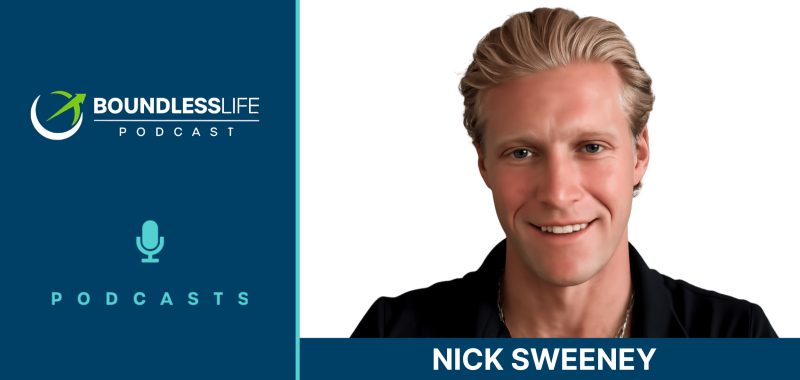
Patrick Theut [00:00:00]: One of the things that was so far that came out of this was if you take enough vitamin K, it'll boost your endurance if you're an athlete. So if you take a high amount of MK seven, you bind up your peroxides. When you bind up your peroxides, guess what? You don't get tired. And 2017, North Texas State did a great study on MK seven and athletic performance. And how would you, being a triathlete, how would you like to have your endurance boosted by 12%?

Ben Greenfield [00:00:34]: I've done several podcasts lately about heart health. It's a topic near and dear to my. You knew I was going to do a pun there. Near and dear to my heart plaque, high calcium scores, coronary artery disease, and other heart concerns. And in this journey in which I've been kind of looking into a lot of the people out there, a lot of the therapies, a lot of the research, I've come across a biochemist and engineer who managed to reverse his coronary artery disease. And he did so using some pretty novel methods and detailed it all in what he calls his cardiac manifesto. He invested over 16,000 hours of study into the cause of heart disease and has developed specific theories and protocols on how the disease develops and how to stop it from progressing and protocols to even reverse things like plaque. I've been so intrigued with this cardiac manifesto that I decided I want to get the author on the podcast.

Ben Greenfield [00:01:36]: His name is Patrick Poit. I'm going to let him fill you in on his background and his story, but as you listen in, I will link to everything that we talk about if you go to bengreenfieldlife.com vitamin K podcast. Ben greenfieldlife.com Vitamin K podcast. The reason being, as you'll learn during this show, vitamin K definitely plays a key role here. So, Patrick, welcome to the show, and I would just love to hear your story about what happened to you in your heart to get you interested in this in the first place.

Patrick Theut [00:02:11]: Evan? Well, it all happened by accident. In 2021, when I was getting my 201 MBA at the University of Minnesota Colson School, one of my classmates was the vice chair of psychology and psychiatry at the Mayo clinic. The class in front of us had the head of cardiology, and the three of us got to talking, and they convinced me to get what's called an executive physical, and it's a 3d physical now, mind you, at that time, I was 48 years old, winning five ks, ten ks, still playing ice hockey. You know, I'm doing. I'm doing fine. Yeah, well, I one thing leads to another. They conjure me and teased me and all that. So I went there for a three daily physical.

Patrick Theut [00:03:02]: Honest to freaking got three days. Boy, that was something. So. And I passed everything with flying colors, as I pretty much assumed I would. But what was really crazy was my last afternoon, well, my last morning there, my attending personal care physician said, is there any other tests that you would, like, run? And I had heard about these calcium score tests while driving through Chicago almost six, eight months earlier. And I just said, hey, do you have something to do with calcium test or calcium score? They said, you know, yes, we do, but we don't recommend it. I said, why? I said, because you passed all your tests without a problem. I said, okay, but don't you have to give me what I asked for? Oh, yeah, we do.

Patrick Theut [00:03:46]: I says, okay, I want one. Well, she reluctantly gave me one at, like, 11:00 in the morning. That took like five minutes. It was an EBT scan. You're very, very accurate. So then I go to lunch, and that's what it all freaking changed. I had pot roast, potatoes, gravy, some green beans, and a shupred beer. I'll never forget.

Patrick Theut [00:04:14]: That was kind of my last meal before.

Ben Greenfield [00:04:17]: I was going to say, were you trying to game the test?

Patrick Theut [00:04:22]: My accent, interviews with all the attending physicians, and I want to say one thing. If it wasn't for the Mayo clinic, I'd be dead. So hats off to them. They did a great job. They really did. So I go into the 130 meeting and notice my two friends and the other attending physicians based on my various things, like the kidney guy was there and a heart guy was there. And this, that, the other thing. I sat down, I said, boy, it looks like somebody just died.

Patrick Theut [00:04:51]: He goes, Pat, well, underestimate things or understate things. So they put on my calcium score in the flat screen. So they're going through the sagittal sections of my heart, and they get to my left mane, and it's glowing like a rib that don't look good.

Ben Greenfield [00:05:14]: Oh, and by the way, just to interject here, I had a somewhat similar experience. I'm getting a little bit of deja vu because, you know, I. With stellar scores on the EKG, the vo two, the flow scan score, pretty much every single test for my heart. Even my lipid panel was pristine, and my LVa had 8% blockage when I did my. I didn't do the calcium scan. I did the. A more advanced version of it called the clearly ct angiography, but pretty much similar idea. Right.

Ben Greenfield [00:05:51]: Walking around, everybody telling me my heart was great. And this was about a year ago now, and same thing when I actually went in and did diagnostic imaging, it was an entirely different story.

Patrick Theut [00:06:05]: Yep, I can relate. So one thing leads to another and they say, well, we want to see you next week to do some more detailed testing. I said, as an engine did, good idea. Just how bad, bad is. So that's going to the 337 only. And all in my left main. My left main was completely calcified from the wall of to the branch. Good lord.

Patrick Theut [00:06:30]: But my background, I was a pre med and back in another life, so I knew all human physiology, human anatomy and all that stuff. I'm pretty good at it. So I go back the following week, they do a big workup, and they said 10% of the people who have calcium build up in arteries. Their arteries expand rather than contract. And that's what we think is going to happen to you. Based on the genetics of my mother's side of the family, because they all do. They all died of arterial blowouts. That's one of them.

Ben Greenfield [00:07:02]: Wow.

Patrick Theut [00:07:04]: Well, he says, with Jenny cardiologist, great guy. I still keep in touch with him every now and then. And he said, you've got four years to live. Progression at the rate of progression and how bad your left main is, and it's the bang pipe. And I said, well, can't you just fix it right now? And they said, no, can't do that. The stent ain't going to work because your pipe's already large, so you just. The wall's going to get thinner and thinner, thinner, and it's going to burst. I said, and this exact quote that I said to him, my body got me into this mess, my body can get me out of this mess.

Patrick Theut [00:07:42]: And he said that to my two friends, and they said, and he said to my friends, this guy's in denial. I should have told him in the first place. And my two friends says, oh, we talked about when you left. And he's got that look in his eye, he'll figure this out. And so I got back to home. Well, this. Well, first time I got back home, I started really digging through the Internet back then, in the early, late, early two thousands, it was all geeky stuff. And I've got a biochemistry background of chemistry, physiology, all that background engineering, so I could read all that geeky stuff and I could read it pretty quick.

Patrick Theut [00:08:22]: And I started diving into it and diving into it and diving into it and diving into it, and by the middle of January of 2003. Now remember, this is about eight weeks after all this stuff happened. I wrote a found in Tibon, California. Now remember, this is January of 2003. And I said heart disease, gut bacteria problem. And I've got a background in anaerobic bacteria and I kind of know how those old critters work. And I said, given what's, what happens to people, it's got to be a gut bacteria problem. And said, wow.

Patrick Theut [00:09:00]: He said, what else? Yeah, he says vitamin D plays a big role. By the middle of February, thyroid free t three has a huge role in your heart disease. So by April, I had a game plan. I basically had a game plan that I'm going to fix this. This is how I'm going to fix it.

Ben Greenfield [00:09:19]: And by fix it, you mean specifically going after gut bacteria, vitamin D and thyroid.

Patrick Theut [00:09:26]: Yeah, that Ed magnesium.

Ben Greenfield [00:09:28]: Quick question though, just to backpedal briefly. The gut bacteria piece is interesting. As a matter of fact, in a couple hours, I'm flying down the phoenix to meet with my dentist, doctor Aniko loud down there, who does, among other things, for my oral health, an oral microbiome test to determine risk for plaque accumulation and cardiovascular disease based on the oral biome, which is tied to heart disease. But what's the link between the gut bacteria and heart disease?

Patrick Theut [00:09:58]: Well, your body is always talking to your gut bacteria. Case as an example, women were pregnant, they have these religious to eat certain foods. That's the gut bacteria telling the brain, by the way, of the vagus nerve. We need some nutrition that has to be just like this to feed the baby. The older you get, the less hyena you have. Case in point, premenopausal women typically don't have coronary disease. Post menopausal women do. Why? Because their gut bacteria express themselves different, because the hormones are expressed differently.

Patrick Theut [00:10:40]: So in addition to not getting enough sunlight, a few other things, then vitamin B is basically a hormone. Your gut bacteria start expressing themselves a very certain way and that sets the clock in motion to basically, I call it the salmon effect. After about three years, salmon just up and die because of exchange. So your gut bacteria constantly talking with your body and your oil gut bacteria, your oil bacteria, most of those bad boys end up in your gut. And in working with holistic dentists, when you add Dk, mag and c together, your oral bacteria are really, really happy and you don't get cavities. I have brushed my teeth in twelve years. Doctor Justin.

Ben Greenfield [00:11:31]: Yeah, I mean what you're saying is a little bit reminiscent of Doctor Wesson a price's initial research on the so called mysterious co factor that he identified amongst a host of people who had really great bones and jaws and teeth and turned out to be vitamin K. But for the gut bacteria, I'm guessing that if someone were to go out and do, like, a stool analysis and they were to find just general dysbiosis, that that's what you'd be looking for, essentially, bacterial imbalances in the gut.

Patrick Theut [00:12:00]: That's correct. One of the things that induces it is takelocipra, which is a common antibiotic. Sip ilk selectively kills the gut bacteria that liberate the k out of your diet or make the k that you need from your diet. Evan?

Ben Greenfield [00:12:15]: Oh, okay. So what we're talking about here with dysbiosis is specifically poor absorption or bioavailability of vitamin K based on bacterial imbalances in the gut.

Patrick Theut [00:12:27]: Absolutely. Cut the window. That's exactly it in a nutshell. So let's say you eat a. I'll just call it, say, tara cherries. So what makes Tara ray cherries cherry colored is a benzene group attached to a long string of chemical stuff. Your gut bacteria would make k out of that. They know how to do it.

Patrick Theut [00:12:55]: But if you kill the bacteria to do that and all of a sudden you don't have kids, it will also liberate the k from the food that she eats. For instance, in the mitochondria of all cells is mk four. So if you eat, I'll just call it a carnivore diet. You're bathing your gut bacteria with coq ten and mk four. Coq ten can be rejiggered into mk four, mk 13, mk nine, mk six. But if you don't have the bacteria that are able to do it, you're spooked.

Ben Greenfield [00:13:29]: Yeah, that's interesting. By the way, I should throw in here. I interviewed Doctor Barry Tan three weeks ago. Turns out that the tocotrienols from Annatto connect very similarly to the coq ten that you just described. Arguably, based on his research, possibly better. While simultaneously, for people taking statins, keep levels of coq ten and statin associated muscle soreness balanced based on the tocotrienol and the elements of the inatto plants. So I'll link to that interview with Doctor Barry Tan in the show notes, if people want to hear that. But you also mentioned, just to make sure we establish terms here for people listening in Mk four.

Ben Greenfield [00:14:17]: Now, there's a few different forms of vitamin k, right?

Patrick Theut [00:14:20]: There's k one, which is phyloquinone. Which is basically what you find in broccoli. And then you have the various mks called menoquinones, with numbers four through 13. They're common places for MK four s is in red meat, the cheat, and MK seven is in sauerkraut. And surprisingly enough, the research from tusculi is old grilled sausages that have been hanging in the butcher shop for a month or so. They're loaded with this mks because gut bacteria will convert that stuff into mks.

Ben Greenfield [00:14:57]: This is interesting. Do you know, by the way, on average for life expectancy, what the longest livid country in the world is?

Patrick Theut [00:15:05]: I have no clue.

Ben Greenfield [00:15:06]: Tiny little country between Italy and Spain. I learned this from doctor Steven Gundry called Andorra. Average life expectancy there is about 88 years old. And they eat a diet that is primarily comprised of fermented meats and fermented sausages. I believe it. I believe it.

Patrick Theut [00:15:28]: All of my relatives lived to be in their eighties and nineties. They granted, they died of arterial blowouts, but my great grandfather used to have a 55 gallon drummer of sauerkraut in the backyard. He made his own sausages, and he loved to be in his mid eighties and, you know, and on and on and on. But anyway, so getting back to his story. So I dive into this and I come up with a whole laundry list of all the truths that make a difference in your heart disease. So I tackled it, and within two and a half years, I cleaned out my entire left knee, completely cleared it out.

Ben Greenfield [00:16:06]: You mean based on a follow up calcium scan score?

Patrick Theut [00:16:09]: Yes. I've. To date I've had 28 of those little bad boys.

Ben Greenfield [00:16:13]: Wow.

Patrick Theut [00:16:13]: In one day. How two calcium scanners within 2 hours of each other. One was an eat BT scanner and the other one was a normal ct scanner. I just want to say I've heard all stories about what's more accurate. We'll test them both. And.

Ben Greenfield [00:16:27]: Okay, so at that point, when you saw those effects, that was primarily achieved by focusing on gut bacteria, sauerkraut and other fermented sources, magnesium, vitamin D and thyroid tear.

Patrick Theut [00:16:47]: I mean, sure, my iodine levels were normal. My iodine levels were low, but I got them to the normal level. But jizz is taking eat more iodized salt.

Ben Greenfield [00:16:56]: Okay.

Patrick Theut [00:16:57]: But yeah, that's. And I lost about 30 pounds.

Ben Greenfield [00:17:00]: And were you doing any, were you doing anything else for the thyroid besides iodized salt?

Patrick Theut [00:17:05]: Not a thing.

Ben Greenfield [00:17:06]: Okay.

Patrick Theut [00:17:07]: That would. You know, my free t three was like 3.83.9, which is fine.

Ben Greenfield [00:17:12]: Yeah.

Patrick Theut [00:17:14]: And then now I'm not an anti vaxxer to a within reason. While I was also taking high dose vitamin C at the same time, I was finally kind of doing the polling protocol, and everything was going fine. My blood pressure was fine. I lost my weight. Scans are looking good, I'm feeling great. So I'm going to Russia with my son eric, so we could train with the Russian Olympic team between the structural sophomore year of high school, which. Track and field.

Ben Greenfield [00:17:52]: Track and field. Okay.

Patrick Theut [00:17:53]: Track and field. And so before I left, my personal care physician, good guy, not a problem. And he said, pat, you, why don't you get an MMR? I said, why? He says, well, you know, guarantee rights could be possibly called a federal country. Why don't you just sue this to be in the safe side? At that time, I didn't know any better. I said, fine. So I got it. Well, I get back. My insulin was now just a fuzzy bit 50.

Patrick Theut [00:18:27]: My glucose, my sugar was in my. I. Wow. My hvm was like eight or nine. And I was doctoring with Doctor Bill Davis at the time. Great guy. The stuff that Bill Davis has done is just fantastic.

Ben Greenfield [00:18:40]: He's been on the podcast three times already. He's the first guy to talk to you about the calcium scan score. Doctor William Davis.

Patrick Theut [00:18:46]: Yeah. East geek guy. Top draft. So Bill. Bill says to me, looks at my blood work, he said, you've been idle in a cruise ship for the last three months. My God, what's wrong with you? Well, I went on when again, my calcium score just went from basically 20 to 800.

Ben Greenfield [00:19:09]: Wow.

Patrick Theut [00:19:11]: What the heck? So my Aunt Phyllis and I at the time, she was in the late seventies, early eighties. She says, did you do something really stupid? She was a third grade teacher. So you know, you know what you do? I said, I didn't change a thing. I'm an engineer. I do everything by the book. And she says, you don't inject yourself with anything. I said, well, I got an MMR vaccination, but what's that? Well, she says, why don't you research that now that you're researching things? So I started, oh, my God, really? Talk about a pandora's box. Well, make a long story short, the MMR shut off my thyroid because my tsh went to, like, seven.

Ben Greenfield [00:19:57]: Oh, wow.

Patrick Theut [00:19:58]: My insulin was off the charts. My kind of disease went right through the frickin roof. And more research, the more I realized some vaccines have the propensity of inducing your immune system to attack your gut bacteria. Okay, lovely. So now I had to get my pancreas fixed and at the time, God loved him. Doctor Bill Davis was right there standing with me to help me. It just.

Ben Greenfield [00:20:32]: And you had to get your pancreas fixed due to insulin dysregulation. That could have been a result of thyroid dysregulation, or was the insulin dysregulation separate from that?

Patrick Theut [00:20:45]: They're both separate. When it happened, upon further investigation, up to that point, before I got the NMR, I was at 15 grams of vitamin C a day. I was like 20,000. I use a d on my immune system the way it was prescribed to me, my immune system. And I saw that in my blood burn, my vitamin. Just before I went to Russia, my white blood cell count was on God. Little O, another personal care physician said, are you okay? I says, I'm fine because I've got the chemistry killing critters. It doesn't, that doesn't mean that I need to get my immune system amped up.

Patrick Theut [00:21:24]: Well, the way it was described to me was your immune system was like lying on a chaise lounge next to the right, right on the beach in St. Thomas or St. Kitts, and somebody walked up and poured out a bucket of ice water on it. So my immune system panicked in so many words and just started attacking things. It went, you know, because your body is designed to take viruses and bacteria, moles and funguses and yeast, either through your lungs or through, say, cuts and bruises and stuff like that, its not designed to be injected with stuff, especially if your immune system was sleepy. Well, I started researching on how to fix my pancreas. It takes about three years for your body to regenerate itself. All of your organs are regenerated in three to five years.

Ben Greenfield [00:22:16]: And youre specifically in this case, talking about pancreatic beta cell regeneration.

Patrick Theut [00:22:19]: Yep, exactly. So I did some. My pancreas was working at a very low level, so I knew I have some stuff that I could link grow, which is great. Okay. So I put myself, and I'm not recommending this for your listers, because this is really out there. But I was desperate. My calcium spores was a frickin enough. So I put myself on a diet of while chelated vanadium, because vanadium used to be what people were given if they had diabetes any 90 years earlier.

Ben Greenfield [00:22:57]: Doctor Justin well, I know this, by the way, vanadium and secondarily chromium, because thats actually, I own a supplements company, and we have a blood sugar control product, and two of the primary ingredients are, well, three of them are vanadium chromium and bitter melon extract. The reasons you're stating. Yeah.

Patrick Theut [00:23:14]: Yep. Ran out of money. That's the way to do it. So I basically got into an indian for three years, shut my pancreas off, basically, and I let my pancreas regrow itself. I got on my thyroid because my thyroid was shot. No doctor would prescribe it for me. So I eventually found some on the web ordered up there, and basically I was in a holding pattern. And my calcium score is going at about 5% per year.

Patrick Theut [00:23:49]: And by July of 2010. I'll be very blunt, I was pretty depressed. I'm not depressed. Just plain dumbed out, you know, it's like, jesus, what more can happen? So I walked myself into my house for a week, and all I did was re go over my blood work and re go over all of the research papers that I had read up until that point. I went through everything. I think I got about three, 4 hours of sleep every night. And unreliably, two things happened. I looked at some blood work done by my personal care physician at Traverse City, Michigan, doctor Kathryn Roth.

Patrick Theut [00:24:30]: Phenomenal doctor. And she, as an, by the way, did a k one test on me. At that point, I wasn't really taking k. You know, I'm trying to minimize my variables, and my k alone is really low. I mean, dangerously low.

Ben Greenfield [00:24:49]: And that's a simple blood test, right? K one?

Patrick Theut [00:24:51]: That's a simple blood test. That's. Okay. So I looked at my k one, and then it struck me something that doctor Bill Davis told me in 2004 when his mother was from Japan and people from certain areas of Japan had all vitamin k in their diet because they ate natto. And it's like, what's that?

Ben Greenfield [00:25:12]: When I used to raise triathlons in Japan, I'd have for breakfast every morning a giant heap of natto with rice wrapped up in a seaweed wrap. I love that stuff.

Patrick Theut [00:25:22]: There you go. So since I have kind of. I've been accused of having a doctor benlac, and, well, I'll be damned. So then I got on the web and started looking up k one or Phyllis Minot. What did I find? A 1999 podcast, YouTube video, whatever, from Doctor Mercola talking about how q one is implicated in heart disease. I said, well, I'll be damned. So that's what got me really diving into kick. I was desperate.

Patrick Theut [00:25:55]: This thing is still growing. And I got to stop it. I got to stop it somehow. So that's why I first started really doing the K thing. So I looked at the research and realized how much k I needed, looked at what was available on the Internet at the time, and there wasn't any. So I figured out what I needed to get, then I needed to find out where to get it. And that's when I learned about supply side west, which is the big vitamin shell in Las Vegas. I go there to score a key of K one, a key of MK four and a key of MK seven, and score a couple of Q's of magnesium and a couple of Q's of d.

Patrick Theut [00:26:40]: And I take that on basic literature, making my own blue pills to save my life. And what I did was, if this is right and now that this is how an engineer looks at things, my. I deliberately took Crestor, deliberately took it and drove my ldl down to 70, which is dangerous, really, but I drove it down there. And then if the. If the chemistry is correct and the statement was, your body loves K. And since K is carried on the LDL and the HDL and the VLDL particles, if you take K while you're on Crestor, that's the theory you should see your LDL and HDL go up and with LDL go up, even though you're taking Crestor.

Ben Greenfield [00:27:38]: And the mechanism of action for that, again, would be what?

Patrick Theut [00:27:42]: The mechanism is simple. The liver runs k. The liver will take k that comes through hepatic protein from the small intestine or the small intestine. It will attach it to the LDL, it will attach it to the HDL, it will attach it to the VLDL and send it out immune system after it makes sure your clotting and out of clotting factors are okay. That's key there.

Ben Greenfield [00:28:06]: Okay. So basically, by increasing the number of passengers necessary to be on the boats, you are initiating an increase in the number of boats in the bloodstream.

Patrick Theut [00:28:18]: Precisely. That was the logic. Well, guess what? Three months. That's exactly what happened. My LDl doubled, went from 70 to 140. My HDl went up about 20%. And I've yelled, the l went up 20%. And so the next step was, okay, now what? Cut out the crestor and see what happens.

Patrick Theut [00:28:42]: So I cut out the crestor and if everything is correct, my LDL will stabilize. And it did to this day.

Ben Greenfield [00:28:50]: Meaning it would quit elevating.

Patrick Theut [00:28:52]: That's right. It stayed right there and then b wee good lab rat that I am. What happens if you double your k when you then double your LDL HDL? In theory, that answer is no, because your LDL, HDL is a function of hormonal demands in your body and also the demands of your brain. As an example, for true run to make the sheathing material for your brain and the sheathing material for your nerves and all that other stuff. So I doubled my k for three months. Nothing happened.

Ben Greenfield [00:29:28]: LDL and HDL did not increase. When you doubled your k, everything stabilized.

Patrick Theut [00:29:32]: It just rock solid.

Ben Greenfield [00:29:35]: Based on ender consistent regulation of your lipids.

Patrick Theut [00:29:39]: Correct. Because your body makes a hormone called pregnenolone. That's the grandmother hormone. All our hormones are made from pregnenolone. When your pregnenoline level is stabilized and you have a demand for, let's say, testosterone or estradiol or whatever, it's made out of LDL using pregnenolone, which happens in the kidneys. Okay. My pregnenolone level stabilized. My hormone levels all stabilized.

Patrick Theut [00:30:05]: It was like, well, wow. Now get your heart scan. I got my art scan. Well, hold off. Didn't change. Yes, I think I figured this out. So then on top of all of that, now I'm going in the right direction. I've been divorced at that point for three years, and I run into a lady I started dating.

Patrick Theut [00:30:32]: She's a PhD clinical psychologist, and she says, I found something for you. I said, what? There is a vitamin K conference in Scottsdale, Arizona. This is June of 2011. I said, really? She says, let's go make the experts. I said, sounds good to me. He said, got steel. Understood. And I need the top k experts in the world.

Patrick Theut [00:30:59]: It was great because I'm a perpetual anaholic. I love to realize how much I don't know because it keeps me out.

Ben Greenfield [00:31:07]: I can tell.

Patrick Theut [00:31:07]: And that allows me to share with people how I learn things and so help out other people. So I got to eat sugars and cellies and booths and soda. And so I started asking them if we were going to make a capsule of this stuff, because I'm trying to do it for myself. What's enough? And while they all said, you can't take too much of it, okay.

Ben Greenfield [00:31:31]: They all said, vitamin K in any.

Patrick Theut [00:31:32]: Form, any form, any form. They said, it's contraindicated with people on warfarin or coumadin, but that's all. Another sidebar we can talk about. But they said, this is what you do. I talked with saddle Mister osteoporosis from Japan for 3 hours talking about this stuff so I could learn from him. He's the yoda of osteoporosis, and in studies, he says passed. But he was Mr. Vitamin K run.

Patrick Theut [00:32:04]: He was Mister Filipino so eastern Madison, Wisconsin. He loved talking to a you bird and I, you know, pre shot to be throughout. And he explained to me all the stuff that was never published and the stuff that, through his research, was so intuitive, but we was never followed up on it. And then I told them what I'd been doing with, with what I've been doing, and they thought that was great because somebody has got the guts to, you know, being a doctor here, like a modern day doctor er, like to say, hey, let's, let's see what works. So then I talked to the sugars of Vermeers about MK seven, and they told me all about that stuff. Great guys, really knowledgeable people. So when I got back, I started making my own little concoction. And one of the things that was, came out of this was if you take enough vitamin K, it'll boost your endurance if you're an athlete.

Patrick Theut [00:33:02]: So if you take a high amount of MK seven, you bind up your peroxides. When you bind up your peroxides, guess what? You dont get tired. And 2017, North Texas state did a great study on MK seven and athletic performance. And being a triathlete, how would you like to have your endurance boosted by 12%?

Ben Greenfield [00:33:21]: Yeah, its like a negative feedback loop. Peroxide buildup will reduce the shuttling of electrons on an electron transport chain because, because you don't want to build up more peroxides, you're essentially sweeping up the garbage more quickly so you can produce ATP without having the mitochondria in a world become exhausted more quickly.

Patrick Theut [00:33:40]: Precisely, man. So if you, if you're binding up the reactive oxygen species, what's going to happen? You can get for it. You can go for it than anybody else can. It only turns out it's like less than a milligram. Less than a milligram of mk saline will do that. And so you would say, well, okay, what's the objective evidence? Well, I was speaking nutrition coach for a pole, Walter, named Jeremy Scott. He's now finishing up his orthopedic destiny and Germany. I met him on a concoction of the case Leddy and the mega CM and the citrulline and lysine, and he realized now his undergraduate degrees in biophysics.

Patrick Theut [00:34:30]: So this guy was a smart dude. He found that he could train instead of like Monday, Wednesday, Friday, take the weekends off, he could train every day at the same level. In 2010, he was considered an also. I don't want to say also ran. But he wasn't in the top ten in the world in fact, he was not given a shot to even make the US two for 2012. Well, he didn't. And he made it to London because.

Ben Greenfield [00:34:55]: He could train every day. I wonder how much. How much of that was the peroxide mitigation versus how much of that might have been an increase in testosterone or endocrine system function due to more pregnenolone around because vitamin K was being replenished. Could be both.

Patrick Theut [00:35:11]: What he did was he experimented with the k, so he took it and then he would get off it for. Well, he tried to get off it for a week, and he found that after about three days, he just could train. And he just can train at the level he was training at. Then take the k again. A two or three day run in one, he's right back to where he needed to be. So you can say, well, okay, that was Jeremy. Well, uh, there's another poll alter getting ready for Paris. Austin Miller and Austin is doing the same thing with the same results.

Patrick Theut [00:35:44]: You can train every day, Evan.

Ben Greenfield [00:35:46]: That's weird after three days, because I thought vitamin K was a fat soluble vitamin, so you'd have more than that stored in your system.

Patrick Theut [00:35:53]: Well, that phrase is a misnomer. Vitamin K stays in your system at the most, five days at the very most. And fast. Soluble means it rise in your LDL, HDL, and VLDL.

Ben Greenfield [00:36:04]: Okay, got it.

Patrick Theut [00:36:05]: That's. You know, that's. That's it. It's really, really a misnomer. You can't take too much of it. So it's kind of like that. So anyway, I started taking a cake, and then in 2012, a number of people said, you should start marketing this stuff. And I said, I don't want to.

Patrick Theut [00:36:23]: I'm just having too much fun just kind of helping out my athletic buddies at that.

Ben Greenfield [00:36:27]: At that point, what was in it? Like, what was the amount and the different forms of K that you were taking?

Patrick Theut [00:36:34]: Following the advice of the experts, it had 25 milligrams of mk, four, five milligrams of k, one and a half a milligram of mk, seven and two milligrams of astaxanthin. But it's micro encapsulated. Astaxanthin. It's micro encapsulated, so it makes it through your gut, through your stomach juices, so it can be bioavailable in your small intestine.

Ben Greenfield [00:36:58]: Yeah, that's important, by the way, thassazanthony, if you are going to take micro encapsulated to take it with a meal that contains fats, that's right.

Patrick Theut [00:37:07]: So that's really. We watched the business in May of 2013 and my girlfriend and I, and we've been deteriorating our site for just all the peer reviewed literature on K. And you've been there. There's really no real market. It's all geeky stuff. People complain it's too geeky enough to.

Ben Greenfield [00:37:29]: It's good. It's good. The name of the product, by the way, that's the. That's the concentrated k. Concentrated spell with k, right?

Patrick Theut [00:37:35]: Yep.

Ben Greenfield [00:37:35]: Okay. And that is the MK one. MK four, MK seven. Anastaxanthin.

Patrick Theut [00:37:40]: Yes.

Ben Greenfield [00:37:41]: Okay.

Patrick Theut [00:37:41]: Yeah.

Ben Greenfield [00:37:42]: Got it. Mk or k one. By the way, that's phyloquinone, right?

Patrick Theut [00:37:46]: Phylaquinone.

Ben Greenfield [00:37:47]: Okay. Got it.

Patrick Theut [00:37:49]: Now, filoquinone. Most people don't. When you ask a doctor and say, if I magically took all the k out of your body, what would happen to your body? Fish delivery doctor would say, oh, my God, you bleed out, wouldn't you? Clot up.

Ben Greenfield [00:38:05]: Yeah. That's why you're not supposed to take it with blood thinners like warfarin or coumadin. Right.

Patrick Theut [00:38:09]: Well, as it turns out, with the warfarin and coumadin, the latest, I'll just say anecdotal researchers out there, people are taking 100 to 300 micrograms in divided doses of MK seven to stabilize their INR, because people on warfan and coumadin, they die of hardening of the arteries.

Ben Greenfield [00:38:32]: What's the INR?

Patrick Theut [00:38:35]: The international normalized ratio is clotting factors. You have prosthrongatine. So what they're finding is instead of having your INR doing one of these things, they found that this is anecdotal, by the way, but. But the feedback on cotton works. Hunted by the denture in the morning, on it at lunch and hungered at dinner. And your INR just tastes just steady. And also, it, incrementally, from what I've been told, slows down the progression of heart disease.

Ben Greenfield [00:39:07]: Interesting. Yeah. So a couple questions for you. For slowing down the progression of heart disease, in addition to this formula that you've described, would you still advise taking magnesium, vitamin D and vitamin C? And also, of course, paying attention to thyroid micronutrients like iodine and selenium.

Patrick Theut [00:39:26]: You have to a little sidebar. I'm a biochemical engineer. My founding a pulp and paper industry where I was for 48 years. My sub specialty is really the biochemistry of making pulp and paper. But my sub subspecialty is instrumentation and control systems. I was the kind of guy that if you wanted to design, say, the cruise control or the anti lock braking system for your car, I'd be the guy you tap on the shoulder. Could you do this? So I think in systems, and I think in feedback loops and feed forward loops, that's just how I think my son Eric can do the same thing my other three kids can't, but Eric can. It's just something you're either born with or you're not thinking about the systems.

Patrick Theut [00:40:17]: That's why the stuff I sent you is called reverse calcium transport. The first thing that has to happen is your free t three has to be right. That interactivates some enzymes, which in turn activates the uncorboxylated osteocalcin, which in turn activates the vitamin D, which in turn activates this. Blah, blah, blah, blah, blah. And there's what you do. I've had many people say, what is the minimum I can do? Because a lot of people call me up and say, well, I'm a senior citizen. I don't have any model. What's the minimum? Well, this should make these bright red blood cell magnesium get at the high end of the range.

Patrick Theut [00:40:55]: You should write them in d, right? Somewhere between 61 hundred nanograms per milliliter. You don't need to go over 120, but you don't need to go below 60 either. You got to get your free t three. Right. That's either taking sufficient selenium and sufficient iodine or take a supplement.

Ben Greenfield [00:41:15]: Okay.

Patrick Theut [00:41:16]: Really, you should kill it on. And you see, because that's part of what's called autoshys, which is a system that's designed to kill form cells, the whole concept of foam cells. To kill a thumb cell, the beta hdl goes in there and sucks the fat out of the foam cell. When it's said, the PLA run attaches to the beta HDL and that goes back to your liver and sucks the life out of the flame cell as. So the killer run through the injection, basically, of messenger rna, where we heard that before, kills the form cell. If you don't have enough k, run, the cell won't get killed. If you don't have sufficient c, the various, I'll just say bacterial, viral and fungal insults to your arteries continue. You got to kill this stuff.

Patrick Theut [00:42:15]: So, like I said, it's the system. Now, there's one part of the system a lot of people don't talk about. It's called phetoin a. Now, what's phetona? Phyto one a is a carrier protein for calcium. It's made in liver, so it's interesting. You can get phetoin. The phetoin a test is an Elisa kit, so it's not like it's magical thing. Evan.

Ben Greenfield [00:42:38]: Right. So is that a blood. Blood spot or a blood draw?

Patrick Theut [00:42:41]: It's a blood draw.

Ben Greenfield [00:42:42]: Okay.

Patrick Theut [00:42:43]: And you just suspect a photometer? It's a straightforward test.

Ben Greenfield [00:42:46]: And that's phetowin. Is that fe f e?

Patrick Theut [00:42:49]: Fe t uin. A phetoon a. And nobody tests for it unless you're a chronic kidney disease patient. But if you're on dialysis, your fetal ana levels drop like a brick and you die. Art disease.

Ben Greenfield [00:43:06]: Interesting. So. So the mechanism of action of phetoin a would be to limit the amount of calcium in the bloodstream.

Patrick Theut [00:43:15]: No. Your magnesium loosens up to calcium. The fat one. Any grabs onto the calcium, takes it back to the liver, takes the bone for processing. Evan.

Ben Greenfield [00:43:23]: Okay. Got it. Interesting.

Patrick Theut [00:43:25]: It's the truck.

Ben Greenfield [00:43:26]: Yeah. So probably low fat one a levels would also be associated with osteopenia or osteoporosis, I would imagine.

Patrick Theut [00:43:33]: That's the theory. But if nobody ever tests that, you'll let it know. But women. As if there's some drug companies trying to make a synthetic phetam a. So what's that tell you? They're not doing it for giggles. They're doing it because they can see a market for it.

Ben Greenfield [00:43:46]: If you could do it, how would you normalize phet one a?

Patrick Theut [00:43:49]: Don't know. Because until I get the blood work and then test, test, test, and some of the things I would try, I have no idea.

Ben Greenfield [00:43:57]: Yeah. I was just curious if there were dietary sources or anything like that.

Patrick Theut [00:44:00]: I don't know. The first thing I would do would be to, let's say for myself. I'd look at myself first. I would take, like, two milligrams of MK, seven a day for, say, six months, test bipedal and a every week, and see what happens. And then go off it for six months and see what happens. Yeah, that made a difference. MK, four, and k one and d. And try a bunch of things.

Patrick Theut [00:44:24]: Evan.

Ben Greenfield [00:44:24]: Got it. Yeah. Yeah. A lot of functional medicine doctors, they'll certainly endorse a protocol similar to what you've just described, although I would say with not as much emphasis on a full spectrum of vitamin K as you've noted. But what about the fact that many of them are recommending so called plaque, for lack of a better word, melting compounds, things like nattokinase or pomegranate or pomegranate. Extract. Have you come across any of that?

Patrick Theut [00:44:56]: The issue with that is I'm not going to be a naysayer, but remember, I'm a geek. You take, let's just generically say nattokinase. You take nitokinase, it's an enzyme. How did that get through your stomach acid? Somebody explain that to me. Now, if the nattokinase busted up, gets through your stomach acid and gets to your gut bacteria, or do you have the right gut bacteria? Maybe that gut bacteria can take the, I'll just call it chemical trash of what's left over of the nattokinase and make your case from that. Maybe. Dunno for sure. But it would make sense because the body's predictive when it comes to building things, building blocks.

Patrick Theut [00:45:42]: Give me the basics and I can make dander anything. Now, if, when people talk about nattokinase, do you test it in the blood? Do you test, do you then do stool samples to see how much goes out with the stool? Do you test. And since blood work for your mks is virtually impossible to do, nobody does it.

Ben Greenfield [00:46:05]: You mean you can only test for k one?

Patrick Theut [00:46:08]: That's it. And when you test k one, if you take any other mk's, the k one test goes through the rough.

Ben Greenfield [00:46:15]: So k one is an appropriate corollary to mk four and mk seven on.

Patrick Theut [00:46:19]: A blood u theory. That's correct. Okay, so you gotta, you gotta start somewhere. Another test would be uncoboxylated osteocalcin, which they're gonna be carrying. Start to do again. Another test is Pifca two for bone health by surrogate. Heart health is capital n, capital t, sub x, which is a urine test, which is a measure of basically osteoporosis health. You're slowing osteoporosis down, but there really isn't a test out there that says, except, you know, HPLC and stuff like that in some research lab.

Patrick Theut [00:46:58]: Doctor Justin.

Ben Greenfield [00:46:58]: Okay, got it. By the way, for people listening who are scrambling to write that down, I'll link to these different tests that Patrick's talking about if you go to Ben Greenfieldlife.com. vitamin K podcast. What about this? It's a relatively new test. I don't know if you've heard of it before. It's by a company called Preventia, the Hart panel. It is a blood panel that measures for four different protein markers related to plaque accumulation. With the idea being that in between something like a ct angiography or calcium scan score, you could do a blood panel to at least see if there's any evidence of continued plaque accumulation? Are you familiar with that test at all?

Patrick Theut [00:47:38]: Well, I'm not, but that's a good thing to do. Test, test. That's the right thing to do. Yeah, because everybody has to dial in their own body, and the more tests you have, the better fuel you have for your own body.

Ben Greenfield [00:47:50]: Do you think there is a case to be made, especially in the presence of elevated calcium or plaque for statins or even a PCSK nine inhibitor?

Patrick Theut [00:48:04]: There is an argument for that. For those people who are apoe 4434, there can be an argument for that. And so from that standpoint, again, get your genetics studies done. Check your folic acid metabolism while you're doing it, along with your vitamin a metabolism. But get your genetics tested, that's a. That's a great, great thing to do. Now. Well, how does that work? Well, when, when you have an lcaple four four, that only is a problem post menopause and post andrope.

Patrick Theut [00:48:48]: So, okay, something else is going on. That sma. Yeah. LDR is your truck that hauls, we'll just say for conversation, your ks and your COQI ten s are on your system. That truck gets reprocessed in the lever leverage every three days. At the end of those three days, that particle, and this is a surface chemistry thing, has a lot of those K's taken off of there and a lot of coke gens taken off of there, but there's still a few left. So then the body reprocesses it, but there's still a few ks and whatever. Remember, we're dealing with biochemical statistics here.

Patrick Theut [00:49:31]: So let's say you've got an LDL particle. Let's say your brain is making some brain cells. So you make about 400 a day and it sends a signal to the SXR enzyme in your artery wall and say, hey, I need some k, I need two. One. See, the LDL particle comes beboping around the SXR. Groans the k one off of it, rejiggers it into mk four and exceecing material for the brain. Well, that means the LDL particle is absent to the one. Well, it's like taking chrome off a bumper.

Patrick Theut [00:50:05]: What do you think's going to happen? It's going to rust. That's where the oxidized LDL comes in.

Ben Greenfield [00:50:09]: Got it.

Patrick Theut [00:50:10]: So now you've got all this stuff, and the chrome was taken off the bumper, but not all of it. Now it goes back to the liver and you make new ldl and it gets all the stuff reattached to it off a ghost. Well, in the APoE four types, your ldl is reprocessed every five to seven days. So now you have a lot of naked LDR floating around and not doing you any good. So statistically it creates a problem. Now, I would love to see a study done where people are given high dose coq ten, high dose k, doesn't matter what kind with. And the double blind study was being with or without the PSK nine and see how much happen, what happens to your LDL in terms of how much is still stuck to the LDL. So in that case, if you drop your LDL, in theory that means you have more stuff to stick to it.

Ben Greenfield [00:51:15]: More in this case, more stuff being more kick.

Patrick Theut [00:51:19]: Right. Mark A, Mark O 210. Right, as an example.

Ben Greenfield [00:51:22]: Right. Interesting.

Patrick Theut [00:51:23]: Has its own vitamin a, has his own period. Protein C, has its own carrier protein d, has its own carrier protein.

Ben Greenfield [00:51:29]: Yeah. Well, yeah. In full disclosure, after consulting with Fountain life and with nexthealth, I got a clearly ct angiography with both of those organizations over the past couple of years and looking at their data that they've accumulated with their patients, I saw pretty impressive results with a low dose statin or rezuvastatin and ezetimide at five and ten milligrams, I believe, along with a twice monthly injection of pcsk nine. So I've actually adopted that protocol over the past six months. But I'm also taking pretty much almost exactly what you've described. Now, I actually, I haven't tried your product. You know, I've been using the tri k from designs for health. I've been using the annatto based on my conversation with Doctor Barry Tan and then magnesium, vitamin D, vitamin C.

Ben Greenfield [00:52:22]: And I use a thyroid product called thyroid fixer. It's t two iodine, selenium, etcetera. I learned about when I interviewed Doctor Amy Horniman, the thyroid doctor. And I won't do to, you know, the idea that I don't want to be exposed to radiation over and over again on these scans. I won't be doing another scan for another six months. But my apo B has plummeted, my lp has gone down, my LDL has stabilized. My triglyceride to hdl ratio is about one, which is fantastic. You know, it remains to be seen what has happened to the plaque accumulation, but based on what I've seen on the clues with the lipids, it seems like it could be effective.

Ben Greenfield [00:53:01]: What, what I would do after that is I would actually cut out the statin and the PCSk nine. Stay on everything else and see if it continues to stabilize. That's my plan.

Patrick Theut [00:53:10]: At least you're dialing your body in just the way to do it. What's really important is your apo a one to Apo B 100 ratio. That's more important because you can't remove the form out of a farm cell unless you've got sufficient Apo a one. And you get that while having good fat in your diet.

Ben Greenfield [00:53:29]: Is that ratio a particular number that you look for?

Patrick Theut [00:53:34]: Two to nine.

Ben Greenfield [00:53:36]: Two to one apo a one to.

Patrick Theut [00:53:39]: Apob that two apo a one day off. You're not one to one. Watch out.

Ben Greenfield [00:53:46]: That would. That would mean your. Your APa one is suppressed relative to fob excessively.

Patrick Theut [00:53:53]: Right. You typically find that with people with a high amount of junk oils in their diet. Junk food. It's a junk food indicator to test for is the neutrophil to hdl ratio is becoming more and more important because neutrophils are typically indicative that you've got a viral or bacterial or mold or fungal insult going on in your pipe somewhere in your system. So you. And that's just the latest that. That information is only about twelve weeks old.

Ben Greenfield [00:54:28]: Well, I'm getting another blood panel on Saturday. That's pretty comprehensive down at Nextheld, so I'll be able to look at. I'll have all these values in hand by the end of next week, so it'll be interesting. I just run a note to myself that neutrophil to hdl ratio, are you looking for anything in particular for that? For a number?

Patrick Theut [00:54:43]: It's still too soon to tell, but if you do a keyword search on it, it'll give me some numbers. But basically what it says is you want high hdl and no neutrophils.

Ben Greenfield [00:54:52]: Okay. Okay. Got it. Interesting. I would be remiss not to ask you in a little bit of time that we have left, if you've made diet and exercise modifications.

Patrick Theut [00:55:04]: I've always been a jock, so, you know, I pulled all through fun and I'm 71 years old.

Ben Greenfield [00:55:09]: So. You exercise regularly?

Patrick Theut [00:55:11]: Yeah. Oh, yeah.

Ben Greenfield [00:55:12]: I'm assuming you're still not doing, like, the. What was that meal you had right before you went in for your first Chelsea scan? Score the gravy and everything? Have you changed that up?

Patrick Theut [00:55:21]: I've been eating steak and eggs since the mid sixties. Right. Tonight I'm going to have a cereal base size shelled shrimp and a non sugar based. I'll just say sauce. I'll just eat. That's dinner. I eat once a day.

Ben Greenfield [00:55:40]: Are you selective about, oh, you're doing an Omad diet. Interesting. Are you selective about the quality of your food sourcing?

Patrick Theut [00:55:48]: Well, I'm lucky. I live in, up in Michigan. If you want grass fed beef, we got it everywhere up here. So I'm lucky that in that regard. So I have a steak every three days. I'll have an alma, you know, every five days. But I just kind of just keep to the, to the, to the 60 30 ten rule.

Ben Greenfield [00:56:07]: What's the 60 30?

Patrick Theut [00:56:08]: 1060 percent fat, 30% protein, 10% complex carbs.

Ben Greenfield [00:56:13]: Okay.

Patrick Theut [00:56:13]: That's research from doctor Noakes.

Ben Greenfield [00:56:16]: So a typical, so if you're eating one meal a day, you said tonight you're having a bunch of shrimp. And what else?

Patrick Theut [00:56:22]: Oh, I make my own hot sauce.

Ben Greenfield [00:56:24]: Oh, wow.

Patrick Theut [00:56:26]: So I just kind of get creative. I love cooking. So cook something really cool. And I'm for a treat. I'll make my own ice cream made out of 100% cream and real raspberries, and throw them in there and just call it good and delicious. Interesting is good for you, Doctor Justin.

Ben Greenfield [00:56:44]: So you kind of fall into the category of essentially compressed feeding windows with a low carb, high fat, arguably, based on your description, nearly ketogenic approach. Yeah, interesting.

Patrick Theut [00:56:58]: But I've been doing that since the sixties. What we learned playing ice hockey. I never ate a pizza till my senior year of college. Or we, but we would observe in a dress room somebody that would eat pizza. We would perform, like dog doo doo the next day, and nobody could figure out why, but nobody ate a pizza. Somebody, we ate balls of chili. Like, I was going out of style, and balls of stew and stuff like that. We just instinctively knew thats what you needed.

Patrick Theut [00:57:24]: And my dad came off the farm, said he was a big steak and eggs kind of guy, so thats what we did. Evan.

Ben Greenfield [00:57:29]: Yeah, thats interesting. You know, ive been following a little bit more of like a low carb mediterranean approach. You know, pretty rich in polyphenols and flavanols, herbs and spices, a lot of extra virgin olive oil, dark chocolate. Kind of shifted a little bit more towards fish and omega three rich proteins still do. Grass fed, grass finished meat. But I'm I'm down to about twice a week for that. Have, you know, a really nice pastured pork cut about once a week, and then a little bit of poultry, like good pasture poultry. So I I rotate quite a bit, but I've really been careful to adhere to, uh, you know, not something like a strict carnivore approach, absent of fibers and polyphenols.

Ben Greenfield [00:58:06]: But, you know, I do kind of take a little bit more of a mediterranean approach. And I know some people might be saying, well, you know, Patrick's diet sounds like a heart attack diet, but I mean, you have the blood work. I mean, you have all your data. But believe correct me if I'm wrong, like, your stuff's published on your website, right? Yeah, yeah, yeah. So, I mean, obviously he's anecdotal. It's his genetics. But it seems to be working for you.

Patrick Theut [00:58:29]: Yeah. Like I said, the male gave me four years to live in 2002, so I think I've kind of beat that by a bit.

Ben Greenfield [00:58:37]: Yeah. Yeah. Wow.

Patrick Theut [00:58:38]: It's, again, you. You. It's not you. You are deals. What you are, what you eat. It's not what you eat. It's what you generate your gut and absorb. That's what you are.

Patrick Theut [00:58:50]: So if you give your gut bacteria a steady diet of one thing all the time at the same time of day, and you don't confuse them, your gut bacteria will be your gut buddies. Other than or not, Evan.

Ben Greenfield [00:59:04]: Yeah. You are also. You are what you eat. Eight. Thats also important. Hey, one last thing ill share with you. Just because I thought of it, were talking about fermented meat. Ive been geeking out on this one company, Paleo Valley.

Ben Greenfield [00:59:16]: They actually have fermented beef sticks. They have fermented pork as well. They taste fantastic, but its about the closest thing I could find thats kind of, like, commercially available that you could order that similar to what theyre eating on that island of Andorra. So ive been going through a lot of those as well. Apparently the fermentation process also reduces the levels of the new five gc sugar that is associated with some level of inflammation in response to high meat intake. So. And they taste great. So there you go.

Ben Greenfield [00:59:46]: Maybe if you let me know your address, ill send you a packet from my pantry. I got a bunch of.

Patrick Theut [00:59:53]: And we were support. Let me know your blood work. Turned out, we just kick it around and come by, and I'm the guy that answers the phone, and I talk to people typically three to four to five times a day.

Ben Greenfield [01:00:06]: Just, wow.

Patrick Theut [01:00:07]: I got a PhD in leadership with my 57 year coaching. So I'm just coaching people on how to. How to be healthy.

Ben Greenfield [01:00:14]: Incredible.

Patrick Theut [01:00:14]: And first of all, relax. You're okay. And then just slowly but surely, test, test, test, and dial your body in.

Ben Greenfield [01:00:23]: Evan, I can certainly get behind the data driven approach, and your website is great. I would recommend, if you're listening in and you really want to geek out, read the cardiac manifesto part one and part two on Patrick's website. I'll link to that in the show notes as well as everything else we talked about. Just go to Ben Greenfield life.com vitamin K podcast. It'll all be there. And patrick, thanks so much, man.

Patrick Theut [01:00:47]: Yeah. And day one, we're introducing a product for athletes which will have vitamin D in it.

Ben Greenfield [01:00:53]: Incredible.

Patrick Theut [01:00:54]: Athletes be as fast as they burn glucose.

Ben Greenfield [01:00:56]: Wow.

Patrick Theut [01:00:57]: And most athletes are vitamin d deficient, Evan.

Ben Greenfield [01:00:58]: Yeah, yeah, you're right. You're right. All right, cool. Well, great. This has been a fantastic discussion, very enlightening. And I'll make sure in the show notes I'll link to other episodes that I've done with Doctor William Davis, with the thyroid doctor, with my own calcium scan, and clearly scanned results with Doctor Shaw. So anyways, show notes will be rich and juicy. And thank you, everyone, for listening.

Ben Greenfield [01:01:21]: Until next time, I'm signing out from bengeenfieldlife.com. do you want free access to comprehensive show notes? My weekly Roundup newsletter, cutting edge research and articles, top recommendations from me for everything that you need to hack your life and a whole lot more, check out out Ben Greenfieldlife.com. it's all there. Ben greenfieldlife.com. see you over there. Most of you who listen don't subscribe like or rate this show. If you're one of those people who do, then huge. Thank you.

Ben Greenfield [01:01:54]: But here's why it's important to subscribe like and or rate this show. If you do that, that means we get more eyeballs, we get higher rankings. And the bigger the Ben Greenfield live show gets, the bigger and better the guests get and the better the content I'm able to deliver to you. So hit subscribe, leave a ranking, leave a review. If you got a little extra time, it means way more than you might think. Thank you so much.

Ben Greenfield

Ben Greenfield is a health consultant, speaker, and New York Times bestselling author of a wide variety of books.

What's Blocking You From Living Boundless?

Thoughts on How A Biochemist & Engineer REVERSED His Coronary Artery Disease & Calcium Scan Score (Based On Over 16,000 Hours Of Study & Research!) With Patrick Theut.

6 Responses

  1. What happen to (On this episode, you’ll discover:) a more comprehensive show notes.
    Patrick Theut was difficult to understand, missed a lot of info.
    Thanks

  2. This was an amazing chat!!! A way to support the gut in these crazy times – love it! Great information, great questions. Thanks so much Ben and Patrick for sharing your expertise. Shall be listening multiple times to glean all the goodness. x

  3. Maybe I missed it but did he ever say that after his protocol he went and got a clear CAC or CTA/ CLEERLY test?

  4. If a Mayo Clinic doctor said that he would be dead in 4 years based on a coronary calcium score, that is prime quackery.

  5. He doesn’t think ldl is causal for atherosclerosis, but Peter Attia, a brilliant doc who partners with world leading lipidologist, Tom Dayspring, insists that apo(B), the marker for ldl particle number, is causal. I trust Attia and the world’s leading lipidologist.

    1. Down-regulate your confidence and read (for example) Dr. Kendrick’s multi-part blog on What Causes Heart Disease or the book version called The Clot Thickens. The level of thinking in Dr. Kendrick’s work is miles above Attia’s. Also, “causal” is not particularly meaningful since something can contribute as a partial cause under certain circumstances when the true controllable root causes (such as chronically elevated insulin or poor Vitamin C status, just to name two) are different.

Leave a Reply

Your email address will not be published. Required fields are marked *

Related Podcasts

#499 WP

The Best Peptide & Supplement Stack For Hair Growth, Smart Drugs For An Aging Brain, “Aging Anxiety” & More! Solosode #499

Listen on: Reading time: 8 minutes What I Discuss: Listener question from Ryan in Australia about hair transplants and the...

Ben Greenfield a lean, muscular shirtless man wearing black swim shorts stands atop a large rocky outcropping with his arms spread wide open in a triumphant pose, facing the camera. He is barefoot and wearing a watch and a necklace. The background features a dramatic overcast sky with thick gray clouds and the ocean horizon visible behind him. The wide-angle shot is taken from below, emphasizing his silhouette against the sky.

The Weekly Roundup: Your Go-To Guide For Everything You May Have Missed This Week & More! 4/10 – 4/16

Welcome to Ben Greenfield’s Weekly Roundup! In this weekly post, I share with you my most interesting discoveries of the...

Dr. Tommy Wood smiling at the camera on the Boundless Life Podcast thumbnail with teal background and podcast microphone icon

How To Build A Better BRAIN (+ A Neuroscientist’s Take On Ketamine, Nicotine, Alcohol & More!) With Dr. Tommy Wood.

Listen on: Reading time: 6 minutes What I Discuss with Dr. Tommy Wood: Dr. Tommy Wood’s background as a strongman...